Clinical Cases for Medical Students at Saturn Medic are organized by body system, giving students a structured, high-yield way to master clinical medicine one system at a time. Each category brings together the most commonly tested conditions, presented with clear signs, causes, diagnostic approaches, and treatment options designed for exam preparation and clinical reasoning.
These clinical cases for medical students are built to simplify complex topics without sacrificing the depth needed for real exam performance. Each condition page walks through the presentation, underlying pathophysiology, and management approach in a consistent, easy-to-follow format, making it simple to compare similar conditions and avoid common points of confusion.
Cardiovascular System Clinical Cases cover heart and circulation conditions, from ischemic heart disease and heart failure to arrhythmias, valvular disease, and vascular emergencies.
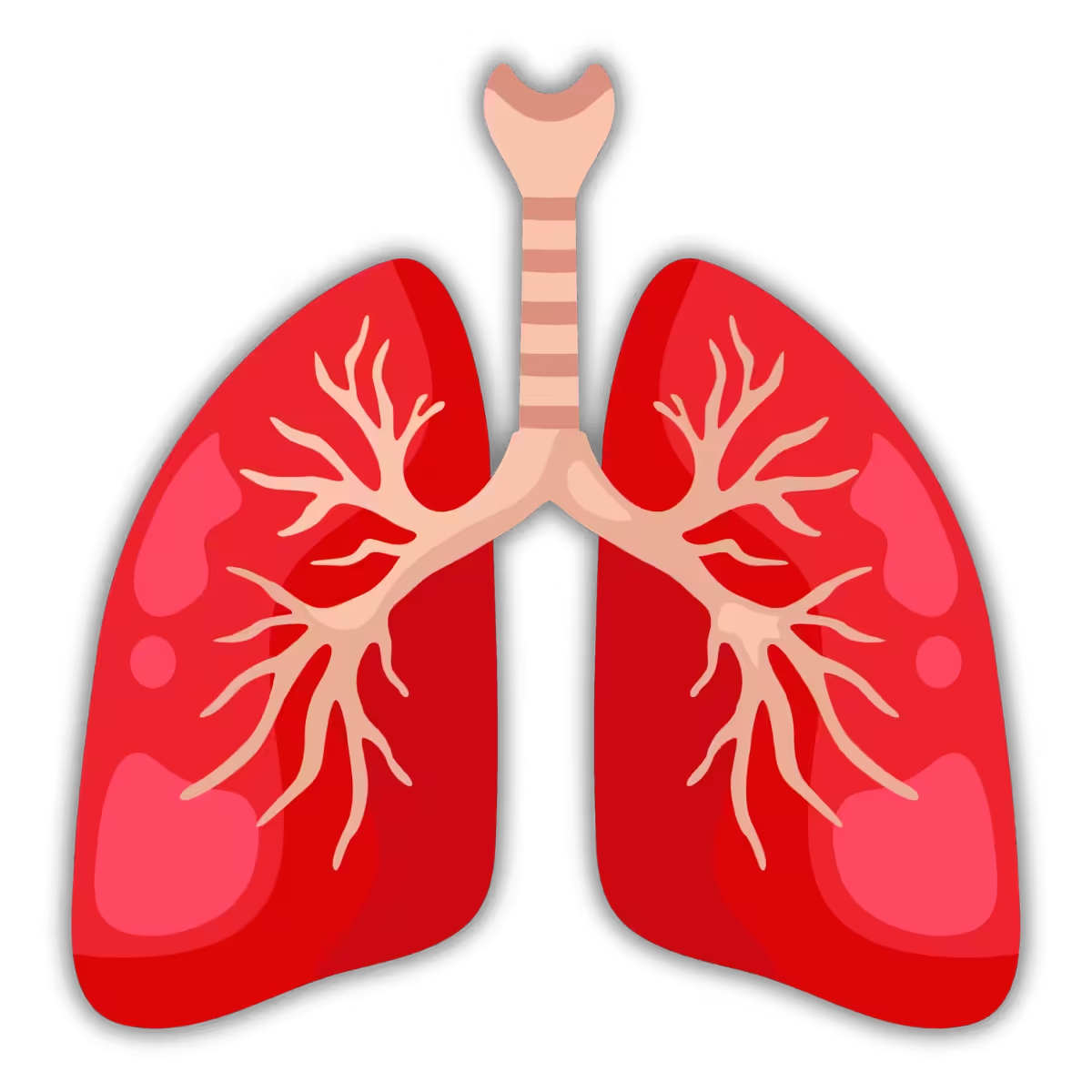
Respiratory System Clinical Cases cover lung, airway, and breathing disorders, including obstructive and restrictive lung diseases, pleural conditions, respiratory infections, and lung malignancies.
Gastrointestinal System Clinical Cases cover digestive system and liver diseases, spanning esophageal, gastric, intestinal, hepatobiliary, and pancreatic conditions.
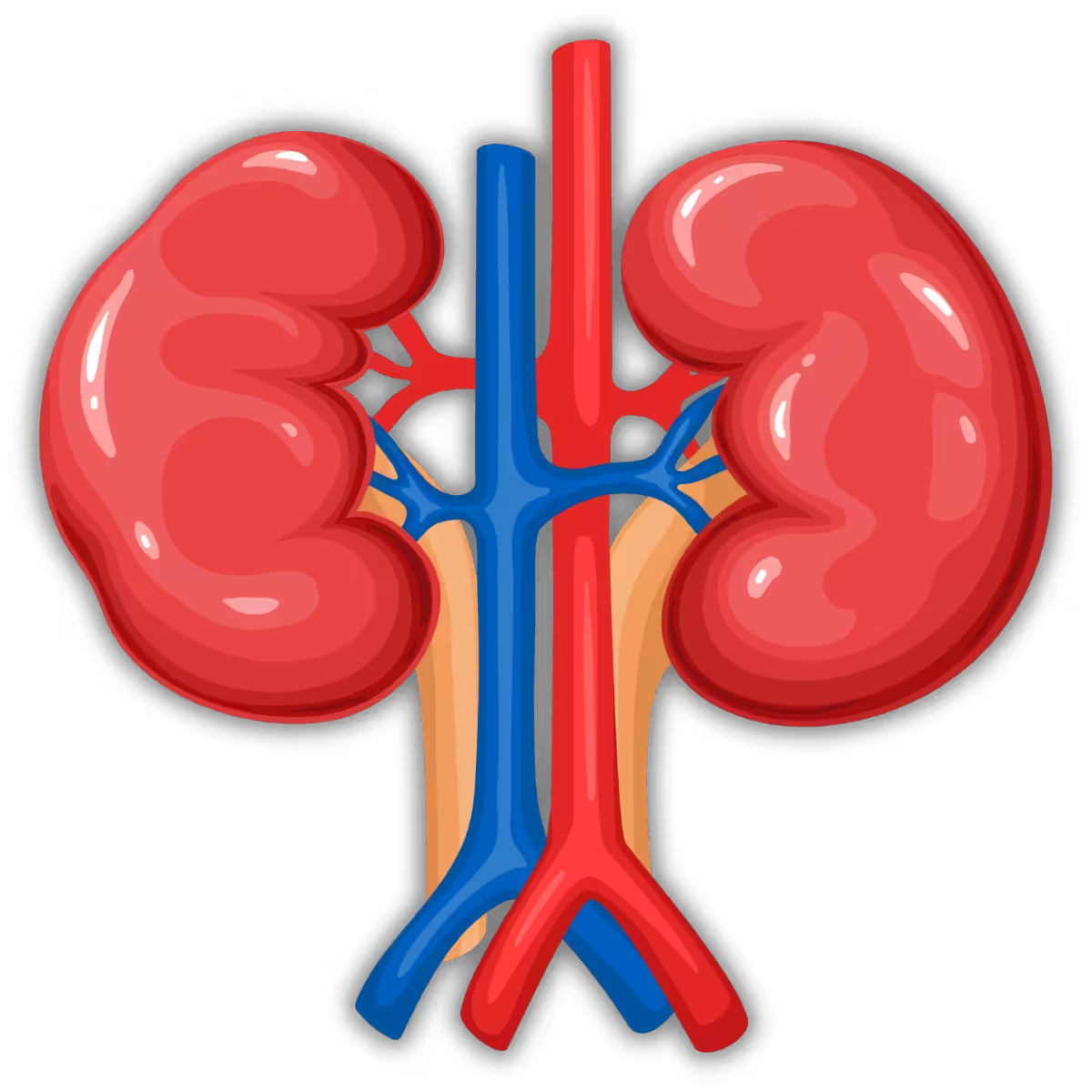
Renal Clinical Cases will cover kidney and urinary tract disorders, including glomerular disease, acute kidney injury, and chronic kidney disease.
Hematology Clinical Cases will cover blood disorders and malignancies, including anemias, clotting disorders, and hematologic cancers.
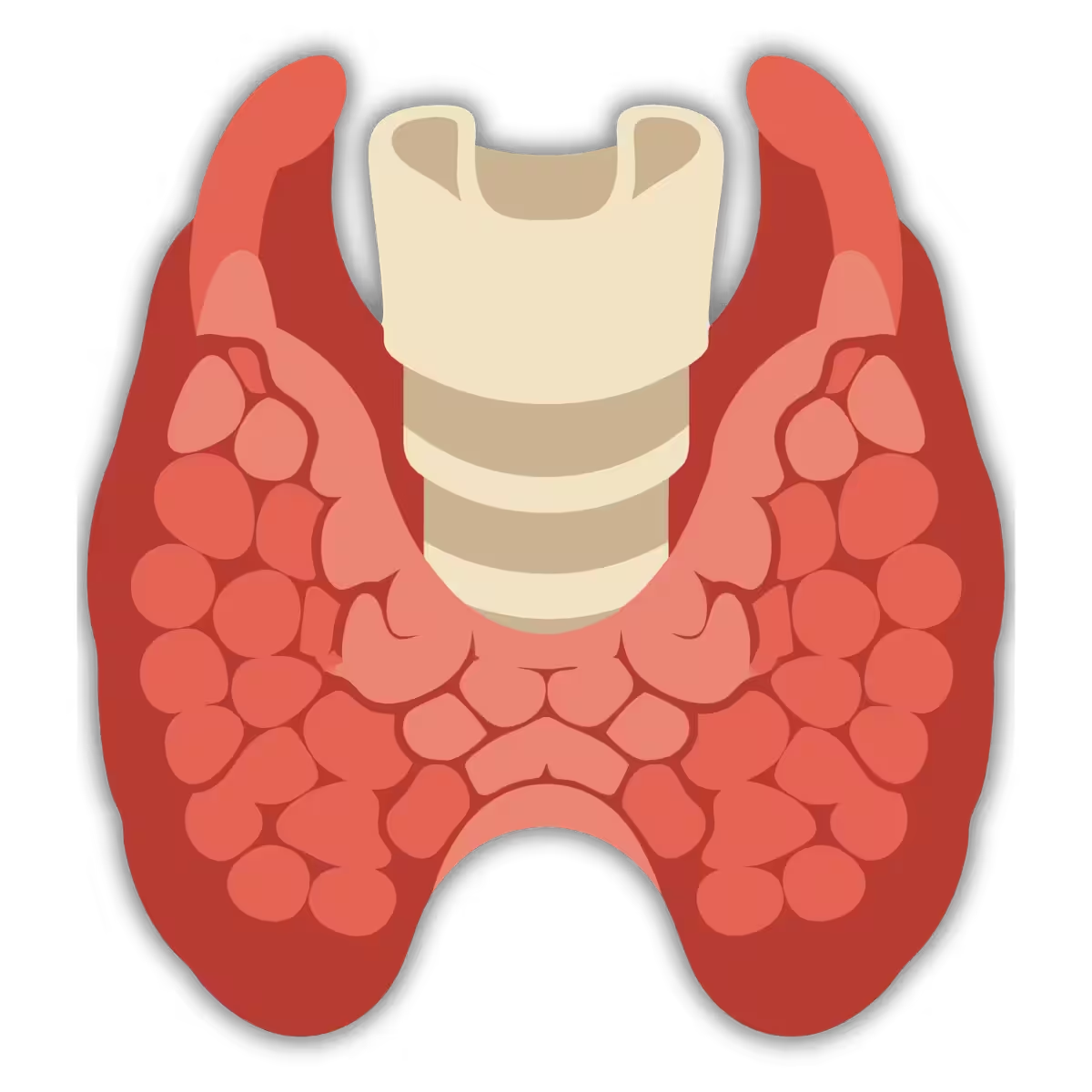
Endocrine Clinical Cases will cover hormonal and metabolic disorders, including thyroid disease, diabetes, and adrenal disorders.
Infectious Disease Clinical Cases will cover bacterial, viral, and fungal infections affecting multiple organ systems.
Why Our Clinical Cases for Medical Students Format Works
Real exams rarely ask students to recall an isolated fact — they present a scenario and expect you to reason through it the way a clinician would. That’s why every case here is built around presentation first: the signs and symptoms a patient would actually show up with, followed by the reasoning that leads to a diagnosis, and finally the management approach. This mirrors the clinical case format used in trusted references like NCBI StatPearls, where each condition is structured around presentation, workup, and management rather than a flat list of facts to memorize.
Organizing by system also makes it easier to spot the differences between conditions that are frequently confused with each other. Two conditions with overlapping symptoms but different underlying mechanisms — say, two causes of shortness of breath with very different management pathways — are much easier to tell apart when you study them side by side rather than in isolation, weeks apart, in separate textbook chapters. This side-by-side structure is especially useful during exam revision, when the goal shifts from learning new material to sharpening the distinctions between conditions you’ve already studied individually.
Consistency matters too. Because every set of clinical cases for medical students follows the same presentation-to-management structure, you build a mental template that transfers across systems. Once you’re comfortable with how cardiovascular cases are structured, that same reasoning framework carries over when you move into respiratory or gastrointestinal cases, cutting down the time it takes to get oriented in a new system.
How to Use These Clinical Cases for Medical Students
Pick the system you’re currently studying and work through its cases in order, paying attention to how presentation, pathophysiology, and management connect for each condition. If you’re reviewing before an exam, use the cases as a rapid recall check: read the presentation, try to work out the diagnosis and management yourself before checking the explanation, and treat any case where you got it wrong as a flag to go back and review that condition more closely.
Pairing these clinical cases for medical students with our medical question bank gives you two different ways to test the same knowledge. Cases build clinical reasoning — the process of moving from symptoms to diagnosis to treatment — while MCQs test recall and discrimination under exam-style time pressure. Students who move between both formats tend to retain material more effectively than those relying on a single study method, since each approach exercises a different part of how that knowledge gets used on exam day.
Whether preparing for exams or building a stronger clinical foundation, students will find these clinical cases for medical students broken down into the key facts most often tested, with new systems and conditions added regularly as Saturn Medic continues expanding its library.