

Clinical Subject Page
Gastroparesis
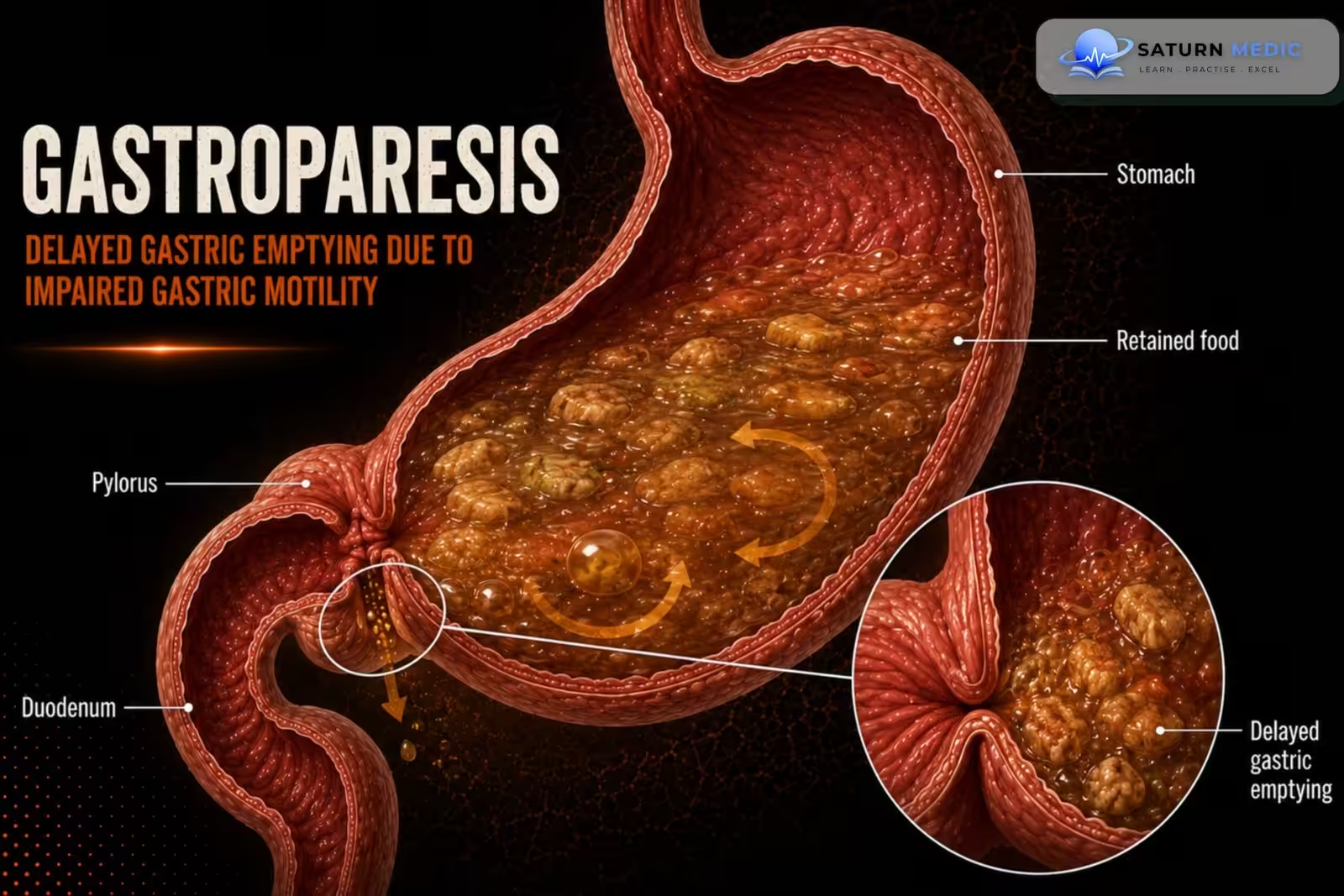
Gastroparesis is a disorder characterized by delayed gastric emptying in the absence of
mechanical obstruction
Also called
ICD-10
Specialty
Onset
Reviewed
-
OverviewOverview
-
Etiology & Risk FactorsEtiology & Risk Factors
-
PathophysiologyPathophysiology
-
Clinical PresentationClinical Presentation
-
History TakingHistory Taking
-
Physical ExaminationPhysical Examination
-
InvestigationsInvestigations
-
DiagnosisDiagnosis
-
ManagementManagement
-
ComplicationsComplications
-
PrognosisPrognosis
-
Key Points / Clinical PearlsKey Points / Clinical Pearls
Overview
Gastroparesis results from impaired gastric motility, leading to delayed emptying of stomach
contents. Common causes include diabetes mellitus, postsurgical complications, and medication
side effects, although many cases are idiopathic. Diagnosis requires exclusion of mechanical
obstruction with upper endoscopy and confirmation of delayed gastric emptying with a 4-hour
gastric emptying study.
Etiology & Risk Factors
Common Causes
Idiopathic (most common)
Diabetes mellitus (most common identifiable cause)
Postsurgical vagal nerve injury
Medications (e.g., opioids, GLP-1 receptor agonists, anticholinergics)
Neurological disorders (e.g., Parkinson disease, multiple sclerosis)
Connective tissue diseases (e.g., systemic sclerosis)
Viral infection (post-viral gastroparesis)
Hypothyroidism (less common)
Risk Factors
Long-standing diabetes mellitus
Poor glycemic control
Female sex
Previous gastric or esophageal surgery
Chronic opioid use
GLP-1 receptor agonist therapy
Parkinson disease
Autoimmune disorders
Viral gastroenteritis
Pathophysiology
1. Impaired gastric motility delays gastric emptying.
2. Food remains in the stomach longer than normal.
3. Delayed emptying causes symptoms such as nausea, vomiting, bloating, and early satiety.
4. Chronic delayed emptying may lead to nutritional and metabolic complications.
Clinical Presentation
Common symptoms include:
• Nausea
• Vomiting
• Bloating
• Upper abdominal pain
• Early satiety
History Taking
Ask about:
• Nausea
• Vomiting
• Early satiety
• Bloating
• Upper abdominal pain
• Duration and severity of symptoms
• History of diabetes mellitus
• Previous gastric or upper abdominal surgery
• Current medications that may delay gastric emptying
Physical Examination
Assess for:
• Nutritional status
• Signs of dehydration
• Abdominal examination
• Evidence of complications such as weight loss
Investigations
Initial Tests
Complete blood count (CBC)
Electrolytes
Renal function tests
Blood glucose and HbA1c
Thyroid function tests (when indicated)
Diagnostic Investigations
Gastric Emptying Scintigraphy – Gold Standard
Gold standard investigation
Measures the rate of gastric emptying over 4 hours
Confirms delayed gastric emptying
Upper Gastrointestinal Endoscopy (EGD)
Excludes mechanical obstruction
May show retained food in the stomach
Upper GI Contrast Study
Helps exclude gastric outlet obstruction
May demonstrate delayed gastric emptying
Additional Investigations
Wireless motility capsule (selected patients)
Breath test using a labeled meal (where available)
CT abdomen if another intra-abdominal pathology is suspected
Diagnosis
Diagnosis is established by:
• Absence of mechanical obstruction on EGD
• Delayed gastric emptying demonstrated on a 4-hour gastric emptying study
Related Topics
Management
1. Lifestyle & Dietary Modifications
Eat small, frequent meals
Low-fat, low-fiber diet
Prefer soft or liquid meals
Maintain adequate hydration
Avoid alcohol and smoking
Optimize blood glucose control in diabetic patients
2. Medical Therapy
Prokinetic Agents (First-Line)
Metoclopramide (first-line)
Domperidone (where available)
Erythromycin (short-term use)
Antiemetics
Ondansetron
Prochlorperazine
Promethazine
3. Nutritional Support
Oral nutritional supplements
Enteral feeding via jejunal feeding tube if oral intake is inadequate
Parenteral nutrition only when enteral feeding is not possible
4. Advanced Therapy
For severe, refractory gastroparesis:
Gastric electrical stimulation (selected patients)
Endoscopic pyloromyotomy (G-POEM)
Surgical pyloroplasty (selected patients)
5. Follow-Up
Monitor symptom control
Assess nutritional status and weight
Optimize management of underlying diseases (especially diabetes)
Review medications that delay gastric emptying
Complications
• Malnutrition
• Electrolyte imbalances
• Postprandial hypoglycemia in patients with diabetes mellitus
Prognosis
- Prognosis depends on the underlying cause and response to treatment.
- Many patients improve with dietary modification, treatment of reversible causes, and prokinetic therapy
- while refractory cases
may require procedural intervention or enteral nutritional support.
Key Points / Clinical Pearls
• Gastroparesis is delayed gastric emptying without mechanical obstruction.
• Common causes include diabetes, surgery, medications, and idiopathic disease.
• Typical symptoms are nausea, vomiting, bloating, upper abdominal pain, and early satiety.
• EGD is performed to exclude mechanical obstruction.
• A 4-hour gastric emptying study confirms the diagnosis.
• Initial management includes small, frequent, low-fat meals and treatment of underlying causes.
• Metoclopramide and erythromycin are commonly used prokinetics.
• Refractory cases may require G-POEM or jejunostomy feeding.
• Major complications include malnutrition, electrolyte disturbances, and postprandial hypoglycemia
in diabetic patients.
- Reddivari AKR, Mehta P. National Center for Biotechnology Information (NIH). Gastroparesis, StatPearls.
- AGA Clinical Practice Guideline on Management of Gastroparesis. Gastroenterology. 2025. Gastroenterology.
- Camilleri M, Kuo B, Nguyen L, et al. ACG Clinical Guideline: Gastroparesis. Am J Gastroenterol. 2022;117:1197-1220. ACG Journal.
- MedlinePlus, National Library of Medicine (NIH). Gastroparesis: Medical Encyclopedia.
- National Center for Biotechnology Information (NIH). Diabetic Gastroparesis, StatPearls.