

Clinical Subject Page
Diabetic Neuropathy
Diabetic Neuropathy is a group of nerve disorders caused by chronic diabetes-associated metabolic and vascular injury to peripheral and autonomic nerves. The most common form is distal symmetric polyneuropathy, which typically affects the feet and progresses proximally
Also called
Diabetic peripheral neuropathy (DPN)
ICD-10
E10.40 + E11.40
Specialty
Endocrine
Onset
Chronic
Reviewed
August 2026
On This Page
-
OverviewOverview
-
Etiology & Risk FactorsEtiology & Risk Factors
-
PathophysiologyPathophysiology
-
Clinical PresentationClinical Presentation
-
History TakingHistory Taking
-
Physical ExaminationPhysical Examination
-
InvestigationsInvestigations
-
DiagnosisDiagnosis
-
ManagementManagement
-
ComplicationsComplications
-
PrognosisPrognosis
-
Key Points / Clinical PearlsKey Points / Clinical Pearls
Overview
- Diabetic neuropathy is a common chronic complication of diabetes. Persistent hyperglycemia causes metabolic abnormalities, oxidative stress, and microvascular injury that damage nerves.
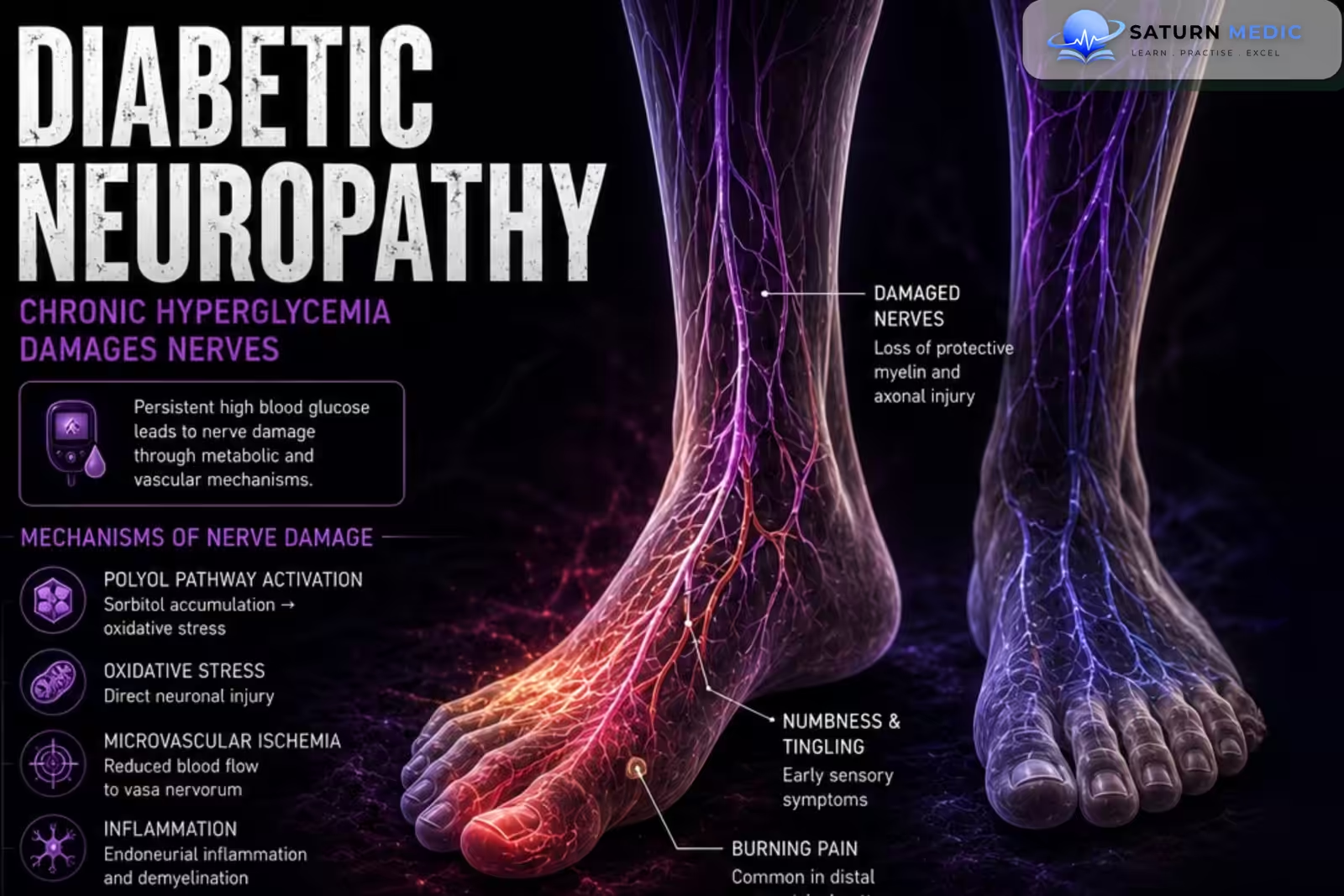
- The most common presentation is length-dependent distal symmetric polyneuropathy, producing numbness, burning pain, tingling, and loss of protective sensation in the feet.
- Autonomic neuropathy may affect the cardiovascular, gastrointestinal, genitourinary, and sudomotor systems.
Etiology & Risk Factors
–Etiology:
The main underlying factors for Diabetic Neuropathy are:
- Chronic hyperglycemia
- Oxidative stress
- Advanced glycation end products
- Microvascular dysfunction
- Abnormal polyol pathway activity
- Inflammation
- Nerve ischemia
These mechanisms progressively damage peripheral and autonomic nerves.
-Risk Factors for Diabetic Neuropathy
- Long duration of diabetes
- Poor glycemic control
- Older age
- Obesity
- Hypertension
- Dyslipidemia
- Smoking
- Chronic kidney disease
- Peripheral vascular disease
Pathophysiology
Chronic hyperglycemia → metabolic dysfunction + oxidative stress + advanced glycation → microvascular injury and impaired nerve blood supply → axonal and Schwann-cell injury → peripheral nerve dysfunction → sensory loss, pain, weakness, and/or autonomic dysfunction
Clinical Presentation
–Symptoms
Sensory symptoms
- Numbness
- Tingling
- Burning sensation
- Pins and needles
- Electric-shock-like pain
- Shooting pain
- Increased sensitivity to touch
- Pain from normally non-painful stimuli
-Motor symptoms
- Muscle weakness
- Muscle wasting
- Difficulty walking
- Loss of balance
-Autonomic symptoms
- Depending on the affected system:
Cardiovascular:
- Resting tachycardia
- Exercise intolerance
- Orthostatic hypotension
Gastrointestinal:
- Gastroparesis
- Early satiety
- Nausea & Vomiting
- Bloating
- Diarrhea or constipation
Genitourinary:
- Erectile dysfunction
- Bladder dysfunction
- Urinary retention
Sudomotor:
- Reduced sweating
- Abnormal sweating
- Dry skin
-Signs:
- Reduced vibration sensation
- Reduced pinprick sensation
- Reduced temperature sensation
- Reduced proprioception in advanced disease
- Reduced or absent ankle reflexes
History Taking
-Ask about:
- Duration and type of diabetes
- Glycemic control
- Numbness
- Tingling
- Burning pain
- Electric-shock-like pain
- Sensitivity to touch
- Loss of temperature sensation
- Balance problems
- Previous amputation
- Foot deformities
Physical Examination
–General Examination
- Blood pressure
- Heart rate
- Body mass index
- Orthostatic blood pressure when indicated
-System-Specific Examination:
-Neurological Examination
- Assess:
- Light touch
- Pinprick
- Temperature
- Vibration
–Diabetic Foot Examination
- Inspect for:
- Ulcers
- Calluses
- Fissures
- Skin changes
- Infection
Assess:
- Peripheral pulses
- Skin temperature
- Capillary refill
- Protective sensation using a 10-g monofilament
Investigations
-Biochemistry / Specific Tests
Important tests may include:
- HbA1c
- Fasting glucose
- Renal function
- Electrolytes
- Vitamin B12
- Thyroid-stimulating hormone
- Serum protein electrophoresis when indicated
- Folate when clinically indicated
- Additional tests depend on the pattern and suspected alternative causes.
-Special / Confirmatory Tests
- Nerve Conduction Studies and Electromyography
- May be used when:
- The diagnosis is uncertain
- Symptoms are atypical
- Neuropathy is asymmetric
- There is significant motor involvement
- Another neuropathy is suspected
- Typical diabetic polyneuropathy demonstrates abnormalities of peripheral nerve conduction.
Diagnosis
-Diabetic neuropathy is diagnosed primarily through:
- History
- Neurological examination
- Diabetic history
- Assessment of sensory and protective function
Typical distal symmetric polyneuropathy presents with:
- Bilateral distal sensory symptoms
- Stocking distribution
- Reduced vibration or pinprick sensation
- Reduced ankle reflexes
- Loss of protective sensation
Alternative causes should be excluded when the presentation is atypical.
Management
1. Definitive Treatment for Diabetic Neuropathy
Management focuses on:
- Optimizing glycemic control
- Preventing further nerve injury
- Treating neuropathic pain
- Preventing diabetic foot complications
- Managing autonomic dysfunction
- Treating modifiable risk factors
2. Medical Treatment
-Neuropathic Pain
Common first-line options include:
Serotonin-Norepinephrine Reuptake Inhibitors (SNRIs):
-Duloxetine
Gabapentinoids:
- Pregabalin
- Gabapentin
Tricyclic Antidepressants (TCAs):
- Amitriptyline
Treatment should be individualized according to age, renal function, comorbidities, adverse effects, and drug interactions.
3. Surgical / Procedural Treatment
There is no routine surgery for diabetic polyneuropathy itself.
Procedures may be required for complications such as:
- Severe diabetic foot infection
- Osteomyelitis
- Advanced Charcot deformity
- Non-healing ulcers
- Critical limb ischemia
4. Supportive Management
- Optimize glycemic control
- Control blood pressure
- Manage dyslipidemia
- Smoking cessation
- Regular foot inspection
- Proper footwear
- Avoid walking barefoot
Complications
- Chronic neuropathic pain
- Loss of protective sensation
- Diabetic foot ulcers
- Recurrent foot injuries
- Infection
- Osteomyelitis
- Charcot neuroarthropathy
- Gastroparesis
- Constipation or diarrhea
- Bladder dysfunction
Prognosis
Diabetic neuropathy is usually chronic and progressive, although good glycemic and cardiovascular risk-factor control can reduce the risk of progression.
Pain may be controlled with appropriate treatment, but established nerve damage may be only partially reversible.
Prognosis is strongly influenced by:
- Duration of diabetes
- Glycemic control
- Cardiovascular risk factors
- Renal disease
- Smoking
- Foot-care practices
Key Points / Clinical Pearls
- Diabetic neuropathy is a common neurological complication of diabetes.
- The most common form is distal symmetric diabetic polyneuropathy.
- It usually begins in the feet and follows a stocking distribution.
- Chronic hyperglycemia causes metabolic, oxidative, and microvascular nerve injury.
- Common symptoms include burning pain, tingling, numbness, and altered sensation.
- Loss of protective sensation greatly increases the risk of diabetic foot ulcers.
- Examination should include vibration, pinprick, reflexes, and 10-g monofilament testing.
- Typical diabetic neuropathy is primarily a clinical diagnosis.
- Always consider alternative causes such as vitamin B12 deficiency, thyroid disease, alcohol-related neuropathy, and other neurological disorders.
- American Diabetes Association Professional Practice Committee. 12. Retinopathy, Neuropathy, and Foot Care: Standards of Care in Diabetes—2026. Diabetes Care. 2026;49(Suppl 1). Diabetes Care .
- Flaxel CJ, Adelman RA, Bailey ST, et al. Diabetic Retinopathy Preferred Practice Pattern®. Ophthalmology. 2020;127(1):P66-P145. American Academy of Ophthalmology .
- Wong TY, Cheung CMG, Larsen M, Sharma S, Simó R. Diabetic Retinopathy. Nat Rev Dis Primers. 2016;2:16012. Nature Reviews Disease Primers .
- Solomon SD, Chew E, Duh EJ, et al. Diabetic Retinopathy: A Position Statement by the American Diabetes Association. Diabetes Care. 2017;40(3):412-418. Diabetes Care .
- National Eye Institute (NIH). Diabetic Retinopathy . National Institutes of Health.
- National Institute of Diabetes and Digestive and Kidney Diseases (NIDDK). Diabetic Eye Disease . National Institutes of Health.