

Clinical Subject Page
Central Diabetes Insipidus
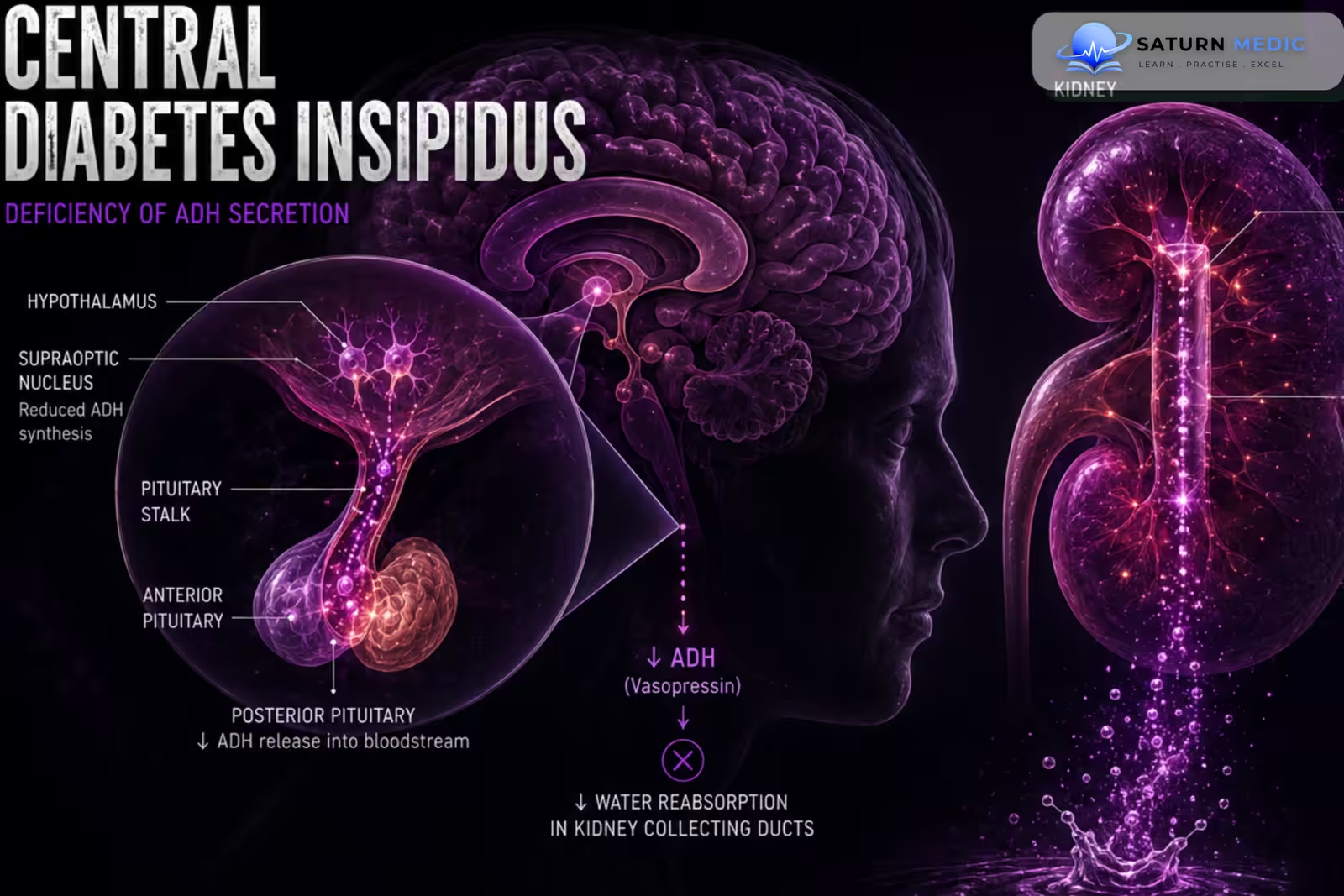
Central Diabetes Insipidus is a disorder caused by deficient secretion of antidiuretic hormone
(ADH), also called vasopressin, from the hypothalamus or posterior pituitary. This causes the
kidneys to lose excessive amounts of free water, resulting in polyuria and polydipsia
Also called
Neurogenic Diabetes Insipidus
ICD-10
E23.2
Specialty
Endocrine
Onset
Chronic
Reviewed
August 2026
On This Page
-
OverviewOverview
-
Etiology & Risk FactorsEtiology & Risk Factors
-
PathophysiologyPathophysiology
-
Clinical PresentationClinical Presentation
-
History TakingHistory Taking
-
Physical ExaminationPhysical Examination
-
InvestigationsInvestigations
-
DiagnosisDiagnosis
-
ManagementManagement
-
ComplicationsComplications
-
PrognosisPrognosis
-
Key Points / Clinical PearlsKey Points / Clinical Pearls
Overview
• Central Diabetes Insipidus occurs when inadequate ADH secretion prevents the kidneys
from concentrating urine.
• Patients typically develop large volumes of dilute urine and excessive thirst.
• Common causes include pituitary or hypothalamic surgery, head trauma, tumors, and autoimmune or inflammatory disorders.
Etiology & Risk Factors
-Common Causes
1. Surgery
• Pituitary surgery
• Hypothalamic surgery
2. Head Trauma
• Traumatic brain injury
• Skull-base injury
3. Tumors
• Craniopharyngioma
• Pituitary tumors
• Hypothalamic tumors
4.Inflammatory/Autoimmune Disorders
• Autoimmune hypophysitis
• Langerhans cell histiocytosis
5. Vascular Causes
• Cerebral ischemia
• Hemorrhage
6. Infections
• Meningitis
• Encephalitis
-Risk Factors
• Previous pituitary or hypothalamic surgery
• Head trauma
• Pituitary tumors
• Autoimmune disease
• Inflammatory disorders
• Central nervous system infections
Pathophysiology
Hypothalamic/posterior pituitary damage
→ ↓ ADH (vasopressin) secretion
→ ↓ ADH action on renal collecting ducts
→ ↓ Aquaporin-2 water channels
→ ↓ Renal water reabsorption
→ Excessive free-water loss
→ Large volumes of dilute urine
→ ↑ Plasma osmolality
→ ↑ Serum sodium
→ Intense thirst → Polydipsia
Clinical Presentation
-Symptoms:
• Excessive urination (polyuria)
• Excessive thirst (polydipsia)
• Nocturia
• Frequent nighttime urination
• Preference for cold water
• Dry mouth
Patients may produce:
• Several liters of urine per day
• Very dilute urine
-Signs:
• Dehydration
• Dry mucous membranes
• Tachycardia
• Postural hypotension
• Weight loss from water loss
History Taking
-Ask about:
• Onset and duration of polyuria
• Amount of urine produced per day
• Nocturia
• Excessive thirst
• Water intake
• Preference for cold water
• Symptoms of dehydration
• Weight loss
• Headaches
• Visual disturbances
• Previous pituitary surgery
• Previous brain surgery
• Head trauma
Physical Examination
-General Examination:
• Assess hydration status
• Measure blood pressure
• Check for postural hypotension
• Measure heart rate
• Assess body weight
System-Specific Examination
-Neurological Examination
Look for:
• Headache
• Visual field defects
• Altered mental status
-Endocrine Examination
• Look for signs of associated pituitary hormone deficiencies.
Investigations
-Serum Sodium
May show:
• Normal sodium in patients with adequate water intake
-Serum Osmolality
Usually:
• Increased Urine Osmolality
Typically:
• Low
• Despite increased plasma osmolality, the kidneys produce inappropriately dilute urine.
-Urine Specific Gravity
• Low
-Renal Function
• Urea and creatinine may increase with severe dehydration.
-Glucose
• Important to exclude diabetes mellitus as a cause of polyuria
-Imaging
Magnetic Resonance Imaging (MRI) of the
Hypothalamic-Pituitary
Region
• Used to identify the underlying cause.
May demonstrate:
• Pituitary or hypothalamic tumor
• Pituitary stalk abnormalities
• Inflammatory disease
Special / Confirmatory Tests
-Water Deprivation Test
• Assesses the ability of the kidneys to concentrate urine when water intake is restricted.
-In Central Diabetes Insipidus:
• Urine remains inappropriately dilute.
-Desmopressin Challenge
• Desmopressin is administered after water deprivation
-In Central Diabetes Insipidus:
• Urine osmolality increases significantly.
• Urine becomes more concentrated.
-In Nephrogenic Diabetes Insipidus:
• There is little or no response.
Diagnosis
-Diagnosis is based on:
• Polyuria and polydipsia
• High or high-normal serum sodium/osmolality
• Inappropriately dilute urine
• Evidence of deficient ADH secretion
• Significant increase in urine concentration after desmopressin
Management
1. Definitive Treatment
• Desmopressin
• The main treatment for Central Diabetes Insipidus.
• It is a synthetic analogue of ADH.
Effects:
• Increases renal water reabsorption
saturnmedic.com Central Diabetes Insipidus 8
• Reduces urine volume
• Increases urine concentration
• Reduces thirst and excessive water loss
-Available as:
• Oral tablets
• Intranasal preparation
• Injectable preparation
• Choice depends on the clinical situation.
-Treat the Underlying Cause
Examples:
• Pituitary tumor management
• Treatment of inflammatory disease
• Management of infection
• Appropriate treatment following traumatic brain injury
2. Surgical / Procedural Treatment
• Surgery is not used to treat Central Diabetes Insipidus itself.
However, surgery may be required for the underlying cause, such as:
• Pituitary tumor
• Craniopharyngioma
• Other hypothalamic lesions
3. Supportive Management
• Ensure adequate access to water
• Monitor serum sodium
• Monitor urine output
• Monitor fluid balance
Complications
• Severe dehydration
• Hypernatremia
• Hypovolemia
• Hypotension
• Acute kidney injury
• Neurological complications
• Seizures
• Coma
Prognosis
• The prognosis is generally good when Central Diabetes Insipidus is appropriately diagnosed and treated with desmopressin.
• Many patients require long-term or lifelong treatment, particularly when permanent hypothalamic or posterior pituitary damage has occurred.
Key Points / Clinical Pearls
• Central Diabetes Insipidus is caused by deficient ADH (vasopressin) secretion.
• It causes excessive loss of free water through the kidneys.
• The classic symptoms are polyuria and polydipsia.
• Urine is typically very dilute.
• Serum osmolality is usually increased.
• Serum sodium may be elevated, especially when water intake is inadequate.
• Common causes include pituitary surgery, head trauma, tumors, and inflammatory disease.
• Diabetes mellitus should be excluded in patients with polyuria.
• MRI of the hypothalamic-pituitary region helps identify the underlying cause.
• Water deprivation testing may demonstrate impaired urine concentration.
• Desmopressin produces a marked increase in urine concentration in Central Diabetes
Insipidus.
• Desmopressin is the main treatment.
• Severe hypernatremia and dehydration require careful fluid replacement.
- Fenske W, Allolio B. Current State and Future Perspectives in the Diagnosis of Diabetes Insipidus: A Clinical Review. J Clin Endocrinol Metab. 2012;97(10):3426-3437.
- Christ-Crain M, Bichet DG, Fenske W, et al. Diabetes Insipidus. Nat Rev Dis Primers. 2019;5:54. Nature Reviews Disease Primers .
- Fleseriu M, Hashim IA, Karavitaki N, et al. Hormonal Replacement in Hypopituitarism in Adults: An Endocrine Society Clinical Practice Guideline. J Clin Endocrinol Metab. 2016;101(11):3888-3921. Journal of Clinical Endocrinology & Metabolism .
- National Institute of Diabetes and Digestive and Kidney Diseases (NIDDK). Diabetes Insipidus . National Institutes of Health.
- National Library of Medicine (NIH). Diabetes Insipidus . StatPearls.