

Clinical Subject Page
Cushing Syndrome
Cushing Syndrome is a clinical disorder caused by prolonged exposure to excessive glucocorticoids, either from exogenous corticosteroid therapy or endogenous overproduction of cortisol
Also called
Hypercortisolism
ICD-10
E24.9
Specialty
Endocrine
Onset
Chronic
Reviewed
August 2026
On This Page
-
OverviewOverview
-
Etiology & Risk FactorsEtiology & Risk Factors
-
PathophysiologyPathophysiology
-
Clinical PresentationClinical Presentation
-
History TakingHistory Taking
-
Physical ExaminationPhysical Examination
-
InvestigationsInvestigations
-
DiagnosisDiagnosis
-
ManagementManagement
-
ComplicationsComplications
-
PrognosisPrognosis
-
Key Points / Clinical PearlsKey Points / Clinical Pearls
Overview
-
- Cushing Syndrome results from prolonged exposure to excessive cortisol.
- The most common overall cause is exogenous glucocorticoid therapy.
-Endogenous Cushing Syndrome may be:
-ACTH-dependent
- Pituitary ACTH-secreting adenoma — Cushing Disease
- Ectopic ACTH secretion
-ACTH-independent
- Adrenal cortisol-producing adenoma
- Adrenal carcinoma
- Bilateral adrenal disorders
Etiology & Risk Factors
-Etiology
–Exogenous Cushing Syndrome:
The most common cause overall is prolonged use of glucocorticoids, such as:
- Prednisolone
- Dexamethasone
- Hydrocortisone
–Endogenous Cushing Syndrome:
ACTH-dependent
- Pituitary ACTH-secreting adenoma — Cushing Disease
- Ectopic ACTH secretion, commonly from neuroendocrine tumors such as small-cell lung cancer
- Rarely ectopic corticotropin-releasing hormone (CRH) secretion
ACTH-independent
- Adrenal cortisol-producing adenoma
- Adrenal carcinoma
-Risk Factors:
- Long-term glucocorticoid therapy
- Pituitary adenoma
- Adrenal tumors
- Ectopic ACTH-producing tumors
- Certain inherited endocrine tumor syndromes
Pathophysiology
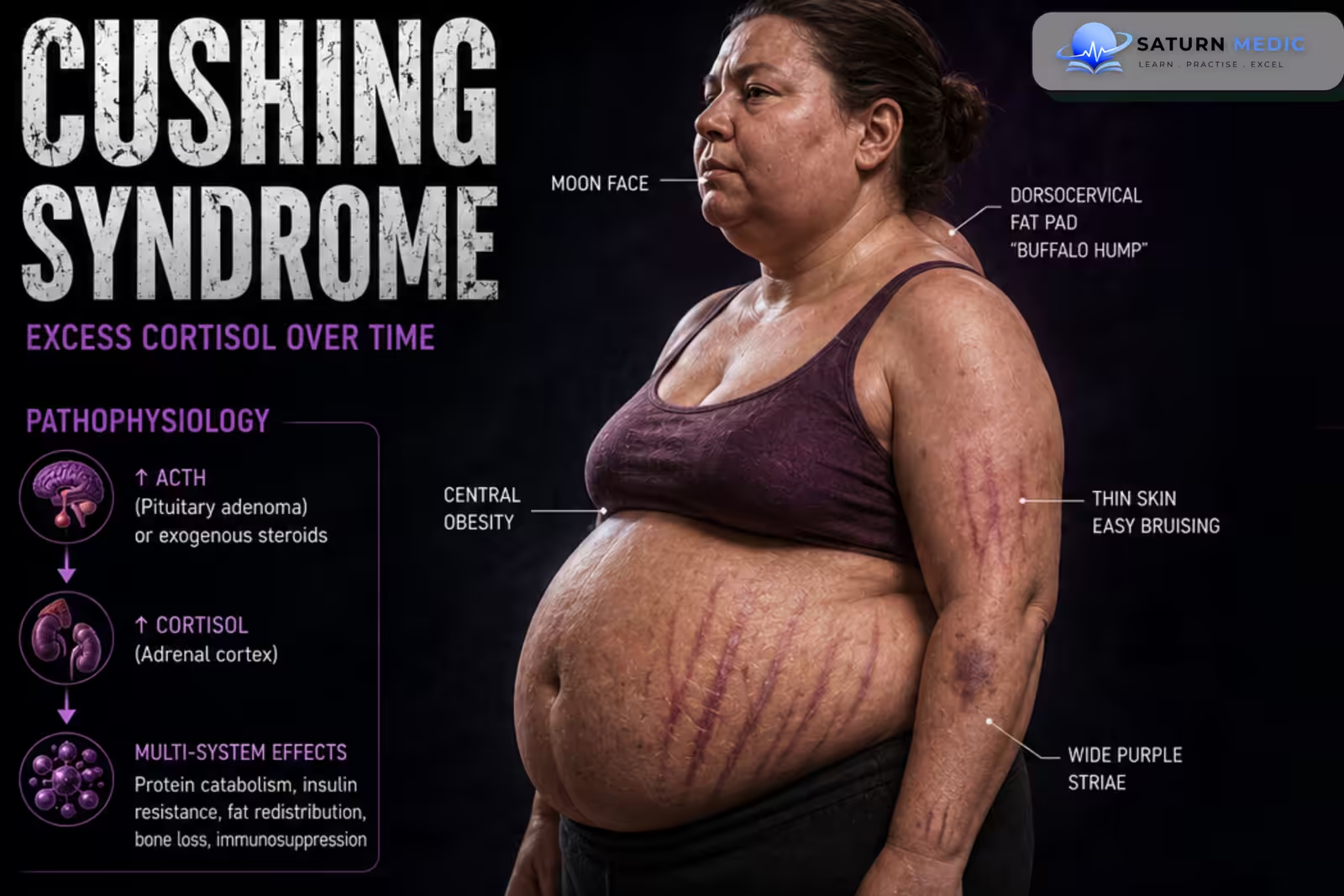
Excess glucocorticoid exposure → prolonged cortisol action → increased gluconeogenesis + insulin resistance + protein catabolism + altered fat distribution + mineralocorticoid effects → central obesity + hyperglycemia + proximal muscle weakness + thin skin/easy bruising + hypertension + other systemic manifestations
For endogenous disease:
Pituitary ACTH adenoma → increased ACTH → bilateral adrenal cortisol production → hypercortisolism → Cushing Disease
Clinical Presentation
-Symptoms:
- Weight gain
- Fatigue
- Muscle weakness
- Easy bruising
- Mood changes
- Depression
- Anxiety
- Irritability
- Difficulty concentrating
- Headache
- Menstrual irregularities
- Reduced libido
-Signs:
- Central obesity
- Rounded “moon face”
- Facial plethora
- Dorsocervical fat accumulation (buffalo hump)
- Thin skin
- Easy bruising
- Proximal muscle weakness
- Acne
- Hirsutism
History Taking
-Ask about:
- Weight gain and distribution of weight
- Changes in facial appearance
- Easy bruising
- Skin changes
- Purple abdominal striae
- Muscle weakness
- Difficulty climbing stairs or rising from a chair
- Hypertension
- Menstrual irregularities
- Reduced libido
- Mood changes
- Depression or anxiety
Physical Examination
-General Examination
- Body mass index
- Waist circumference
- Blood pressure
- Heart rate
- Weight distribution
- Facial appearance
-Look for:
- Central obesity
- Moon facies
- Facial plethora
- Dorsocervical fat pad
- Thin skin
- Easy bruising
-System-Specific Examination:
–Skin:
- Wide violaceous striae
- Thin skin
- Easy bruising
- Acne
- Poor wound healing
- Hyperpigmentation in some ACTH-dependent cases
–Musculoskeletal:
- Proximal muscle weakness
- Muscle wasting
–Endocrine:
- Features of diabetes
- Hirsutism
- Menstrual abnormalities
- Reduced sexual function
Investigations
-Biochemistry / Specific Tests
-Recommended screening tests include:
- 24-hour urinary free cortisol
- Late-night salivary cortisol
– 1 mg overnight dexamethasone suppression test
- Usually, abnormal results should be confirmed with an appropriate additional test unless the clinical and biochemical picture is unequivocal.
-Additional laboratory tests
- Serum electrolytes
- Glucose
- HbA1c
- Lipid profile
- Renal function
- Liver function when indicated
- Bone mineral assessment when appropriate
- ACTH
-Imaging
Imaging is performed after biochemical confirmation and after determining whether the condition is ACTH-dependent or ACTH-independent.
Possible investigations include:
- Pituitary MRI
- Adrenal CT or MRI
- CT/MRI of the chest or abdomen when ectopic ACTH secretion is suspected
-Special / Confirmatory Tests
High-Dose Dexamethasone Suppression Test
May help distinguish pituitary from ectopic ACTH production in selected cases, but it is not the preferred standalone test.
Diagnosis
1. Confirm endogenous hypercortisolism
Use one or more appropriate tests:
- 24-hour urinary free cortisol
- Late-night salivary cortisol
- 1-mg overnight dexamethasone suppression test
2. Determine the cause
Measure ACTH:
-Low ACTH → ACTH-independent → investigate adrenal source
-Normal/high ACTH → ACTH-dependent → distinguish pituitary Cushing Disease from ectopic ACTH secretion
Management
1. Definitive Treatment
Treatment depends on the cause.
-Cushing Disease
- Transsphenoidal resection of the pituitary adenoma is generally first-line treatment.
-Adrenal Cushing Syndrome
- Surgical removal of the cortisol-producing adrenal tumor is generally definitive.
-Ectopic ACTH Syndrome
- Identify and treat the underlying ACTH-producing tumor.
-Exogenous Cushing Syndrome
- Carefully reduce glucocorticoid exposure when medically appropriate.
- Tapering should be individualized to avoid adrenal insufficiency.
2. Medical Treatment
Medical therapy may be used:
- When surgery is delayed
- When surgery is contraindicated
- For persistent or recurrent disease
- As a bridge to definitive treatment
Important medications include:
-Steroidogenesis inhibitors
- Ketoconazole
- Metyrapone
- Osilodrostat
These reduce cortisol synthesis.
-Glucocorticoid receptor antagonist
- Mifepristone
Blocks cortisol action and may be useful in selected patients, particularly those with hyperglycemia.
3. Supportive Management
- Control hypertension
- Treat diabetes or hyperglycemia
- Prevent and treat infections
- Assess cardiovascular risk
Complications
- Hypertension
- Diabetes mellitus
- Cardiovascular disease
- Osteoporosis
- Pathological fractures
- Proximal muscle weakness
- Increased infection risk
- Venous thromboembolism
- Psychiatric disorders
- Menstrual irregularities
- Infertility
- Erectile dysfunction
Prognosis
-Prognosis depends on:
- Cause of Cushing Syndrome
- Duration and severity of hypercortisolism
- Tumor size and invasiveness
- Success of definitive treatment
- Presence of cardiovascular and metabolic complications
- Recurrence
Successful treatment can significantly improve metabolic, cardiovascular, and musculoskeletal abnormalities, although some complications may persist if disease was longstanding.
Key Points / Clinical Pearls
- Cushing Syndrome is caused by prolonged exposure to excessive cortisol.
- The most common overall cause is exogenous glucocorticoid therapy.
- Endogenous Cushing Syndrome can be ACTH-dependent or ACTH-independent.
- Cushing Disease specifically means pituitary ACTH excess from a corticotroph adenoma.
- Typical features include central obesity, moon facies, facial plethora, hypertension, and proximal muscle weakness.
- Wide violaceous striae and easy bruising are important clinical clues.
- Children may present with weight gain and reduced linear growth.
- Initial biochemical testing includes 24-hour urinary free cortisol, late-night salivary cortisol, or a 1-mg overnight dexamethasone suppression test.
- Once endogenous hypercortisolism is confirmed, ACTH determines the next diagnostic pathway.
- Low ACTH suggests an adrenal/ACTH-independent source.
- Normal or high ACTH suggests pituitary or ectopic ACTH-dependent disease.
- Nieman LK, Biller BMK, Findling JW, et al. The Diagnosis of Cushing's Syndrome: An Endocrine Society Clinical Practice Guideline. J Clin Endocrinol Metab. 2008;93(5):1526-1540. Journal of Clinical Endocrinology & Metabolism .
- Nieman LK, Biller BMK, Findling JW, et al. Treatment of Cushing's Syndrome: An Endocrine Society Clinical Practice Guideline. J Clin Endocrinol Metab. 2015;100(8):2807-2831. Journal of Clinical Endocrinology & Metabolism .
- Lacroix A, Feelders RA, Stratakis CA, Nieman LK. Cushing's syndrome. Lancet. 2015;386(9996):913-927. The Lancet .
- Fleseriu M, Auchus R, Bancos I, et al. Consensus on Diagnosis and Management of Cushing's Disease: A Guideline Update. Lancet Diabetes Endocrinol. 2021;9(12):847-875. The Lancet Diabetes & Endocrinology .
- National Institute of Diabetes and Digestive and Kidney Diseases (NIDDK). Cushing's Syndrome . National Institutes of Health.