

Clinical Subject Page
Hypoglycemia
Hypoglycemia is a condition in which blood glucose falls below the level required for normal physiological function. It is particularly important in people with diabetes treated with insulin or insulin-secretagogues, but it can also occur in people without diabetes.
Also called
ICD-10
Specialty
Onset
Reviewed
-
OverviewOverview
-
Etiology & Risk FactorsEtiology & Risk Factors
-
PathophysiologyPathophysiology
-
Clinical PresentationClinical Presentation
-
History TakingHistory Taking
-
Physical ExaminationPhysical Examination
-
InvestigationsInvestigations
-
DiagnosisDiagnosis
-
ManagementManagement
-
ComplicationsComplications
-
PrognosisPrognosis
-
Key Points / Clinical PearlsKey Points / Clinical Pearls
Overview
-
In adults, a plasma glucose level <70 mg/dL (3.9 mmol/L) is generally considered an alert value requiring attention, particularly in people at risk of hypoglycemia.
-
Clinically significant hypoglycemia can cause autonomic symptoms such as sweating and palpitations and neuroglycopenic symptoms such as confusion, seizures, and loss of consciousness.
-
Severe hypoglycemia can be life-threatening.
Etiology & Risk Factors
-Etiology
In people with diabetes
Common causes include:
Excess insulin
Sulfonylureas or other insulin-secretagogues
Missed or delayed meals
Reduced carbohydrate intake
Excessive physical activity
Incorrect insulin administration
Changes in diabetes medication
In people without diabetes
Possible causes include:
Prolonged fasting
Alcohol
Non-insulinoma pancreatic disorders
-Risk Factors
Insulin therapy
Sulfonylurea therapy
Older age
Renal impairment
Impaired awareness of hypoglycemia
Long duration of diabetes
Intensive glycemic control
Pathophysiology
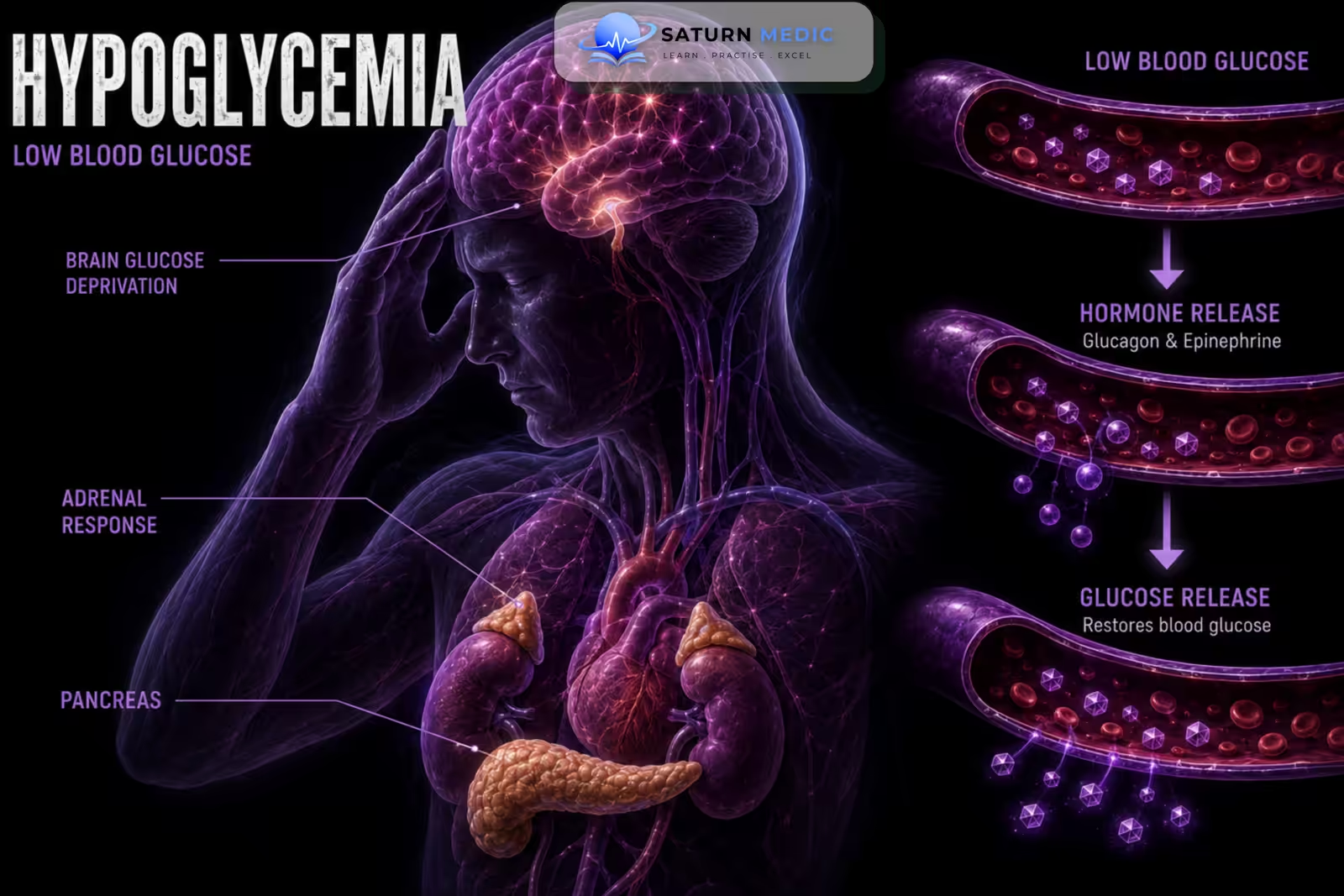
Reduced glucose availability or excessive insulin effect → falling plasma glucose → activation of counter-regulatory hormones → epinephrine/norepinephrine release → autonomic symptoms → continued glucose reduction → inadequate cerebral glucose supply → neuroglycopenia → confusion → seizures → coma
Clinical Presentation
-Symptoms:
Autonomic symptoms
Sweating
Tremor
Palpitations
Hunger
Anxiety
Neuroglycopenic symptoms
Difficulty concentrating
Confusion
Dizziness
Weakness
- Drowsiness
Seizures
-Signs
Sweating
Tremor
Tachycardia
Pallor
Altered mental status
Seizures in severe cases
-Severe Disease
Severe hypoglycemia can cause:
Seizures
Loss of consciousness
Coma
Death
History Taking
-Ask about:
- Onset and timing of symptoms
- Relationship to meals
- Blood glucose measurement during symptoms
- Diabetes history
- Type of diabetes
- Insulin use
- Type and dose of insulin
- Sulfonylurea or other diabetes medications
- Recent medication changes
- Missed or delayed meals
Physical Examination
-General Examination
Assess:
Airway
Breathing
Circulation
Level of consciousness
Heart rate
Blood pressure
Look for:
Sweating
Tremor
Pallor
Tachycardia
Altered mental status
-System-Specific Examination
-Neurological Examination
Assess:
Consciousness
Orientation
Motor function
Seizure activity
-Cardiovascular Examination
Assess:
Heart rate
Rhythm
Blood pressure
-Endocrine Examination
Look for features suggesting:
Adrenal insufficiency
Other endocrine disorders
Investigations
-During a suspected spontaneous hypoglycemic episode, obtain plasma:
- Glucose
- Insulin
- C-peptide
- Proinsulin
- β-hydroxybutyrate
- Electrolytes
- Renal function
- Liver function
-Additional tests may include:
- Cortisol
- Sulfonylurea/meglitinide screen
- Insulin antibodies when indicated
-HbA1c
Useful for assessing long-term glycemic control in patients with diabetes but does not diagnose an acute hypoglycemic episode.
-Special / Confirmatory Tests
Whipple’s Triad
Hypoglycemia is supported by Whipple’s triad:
- Symptoms consistent with hypoglycemia
- Documented low plasma glucose during symptoms
- Resolution of symptoms after plasma glucose is raised
-Supervised Fasting Test
A supervised prolonged fast, often up to 72 hours, may be used when endogenous hyperinsulinism is suspected and spontaneous hypoglycemia has not been documented.
Diagnosis
Hypoglycemia is established by:
- Compatible symptoms
- Documented low plasma glucose
- Improvement after glucose correction
In patients without diabetes or with unexplained recurrent episodes, determine whether hypoglycemia is:
- Fasting
- Postprandial
- Medication-related
- Endogenous hyperinsulinemic
- Related to critical illness or organ failure
- Hormonal deficiency
Management
1. First-Line / Emergency Management
Conscious patient who can swallow
Give 15–20 g of rapidly absorbed carbohydrate, such as:
Glucose tablets
Glucose gel
Fruit juice
Regular sugary drink
Recheck glucose after approximately 15 minutes.
If hypoglycemia persists, repeat treatment.
Once glucose has recovered, provide an appropriate longer-acting carbohydrate-containing meal or snack when needed.
Unconscious or unable to swallow
Do not give food or drink orally.
Protect the airway.
Give intravenous glucose when IV access is available.
Give glucagon when IV access is unavailable or in appropriate community settings.
Reassess glucose and neurological status.
2. Definitive Treatment
The underlying cause must be identified and treated.
Examples:
Adjust insulin dose
Stop or modify causative medication
Treat renal or hepatic disease
Treat adrenal insufficiency
Treat sepsis or critical illness
Treat insulinoma or other endogenous hyperinsulinism
3. Medical Treatment
Glucose
Oral glucose for mild symptomatic hypoglycemia in patients who can swallow.
Intravenous dextrose for severe hypoglycemia or inability to take oral carbohydrate.
Glucagon
Useful for severe hypoglycemia when:
The patient cannot safely swallow
IV access is unavailable
Complications
- Seizures
- Coma
- Neurological injury
- Hypoglycemia unawareness
- Recurrent hypoglycemia
- Fear of hypoglycemia
- Death
Prognosis
The prognosis is generally excellent when mild hypoglycemia is recognized and treated promptly.
Severe or prolonged hypoglycemia can result in:
- Neurological injury
- Cardiovascular complications
- Coma
- Death
Prognosis depends mainly on the severity and duration of hypoglycemia and how quickly treatment is provided.
Key Points / Clinical Pearls
- Hypoglycemia is a clinically important low blood glucose state.
- A glucose level <70 mg/dL (3.9 mmol/L) is an important alert threshold.
- It is most commonly caused by insulin or insulin-secretagogue therapy in people with diabetes.
- Common triggers include missed meals, excessive exercise, alcohol, and medication errors.
- Early symptoms are usually autonomic, including sweating, tremor, hunger, and palpitations.
- Severe glucose deficiency causes neuroglycopenic symptoms, including confusion, seizures, and coma.
- Whipple’s triad supports the diagnosis of clinically significant spontaneous hypoglycemia.
- A conscious patient who can swallow should receive 15–20 g of rapid-acting carbohydrate.
- Glucose should generally be rechecked after about 15 minutes.
- An unconscious patient should not receive anything orally.
- Severe hypoglycemia can be treated with IV glucose or glucagon.
- Recurrent episodes require identification and treatment of the underlying cause.
- Cryer PE, Axelrod L, Grossman AB, et al. Evaluation and Management of Adult Hypoglycemic Disorders: An Endocrine Society Clinical Practice Guideline. J Clin Endocrinol Metab. 2009;94(3):709-728. Journal of Clinical Endocrinology & Metabolism .
- American Diabetes Association Professional Practice Committee. 6. Glycemic Goals and Hypoglycemia: Standards of Care in Diabetes—2026. Diabetes Care. 2026;49(Suppl 1). Diabetes Care .
- International Hypoglycaemia Study Group. Glucose Concentrations of Less Than 3.0 mmol/L (54 mg/dL) Should Be Reported in Clinical Trials of Diabetes: A Joint Position Statement. Diabetes Care. 2017;40(1):155-157. Diabetes Care .
- Seaquist ER, Anderson J, Childs B, et al. Hypoglycemia and Diabetes: A Report of a Workgroup of the American Diabetes Association and The Endocrine Society. Diabetes Care. 2013;36(5):1384-1395. Diabetes Care .
- National Institute of Diabetes and Digestive and Kidney Diseases (NIDDK). Low Blood Glucose (Hypoglycemia) . National Institutes of Health.
- National Library of Medicine (NIH). Hypoglycemia . StatPearls.