
Human Anatomy Lab PDF
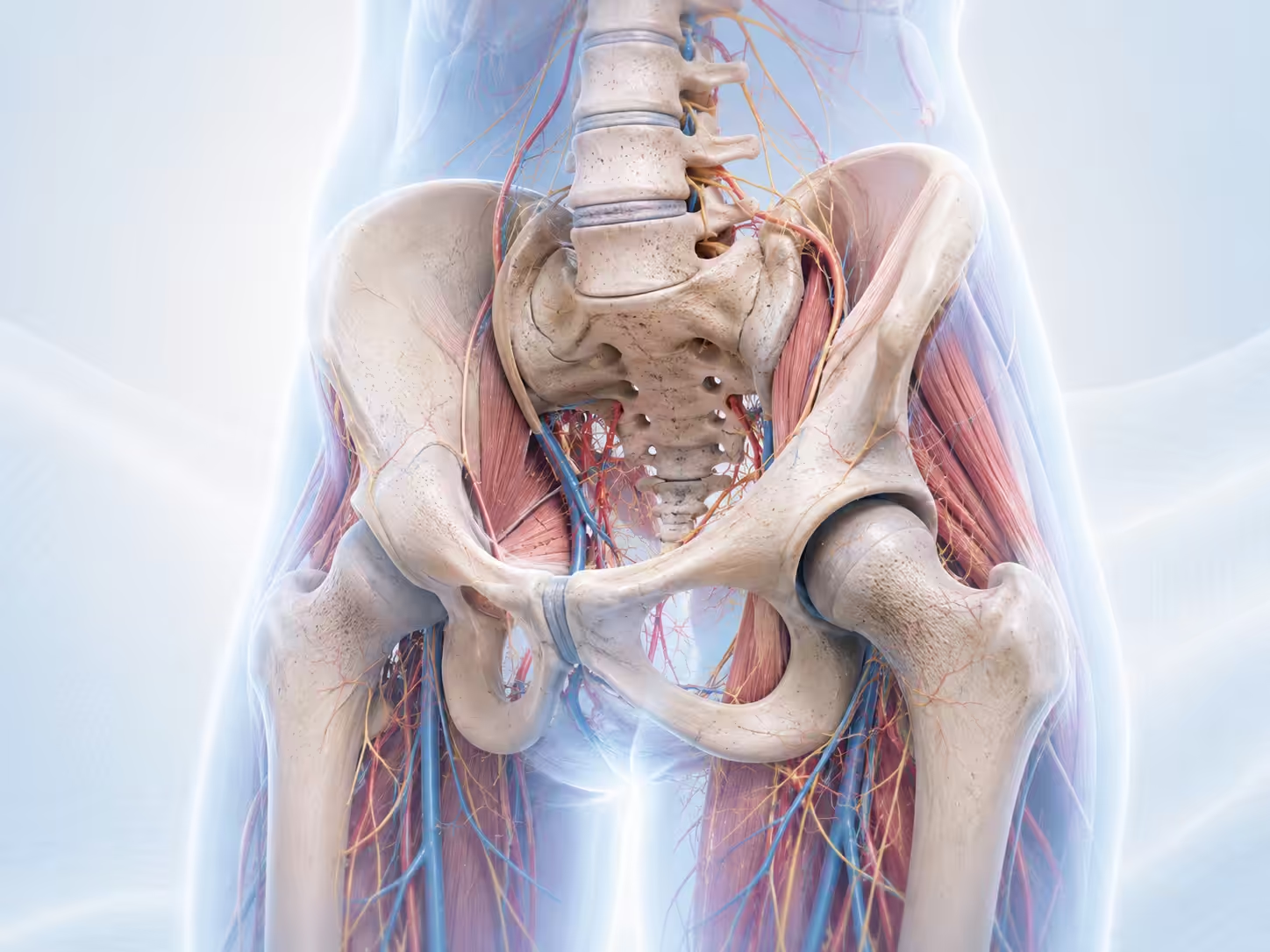
Pelvis
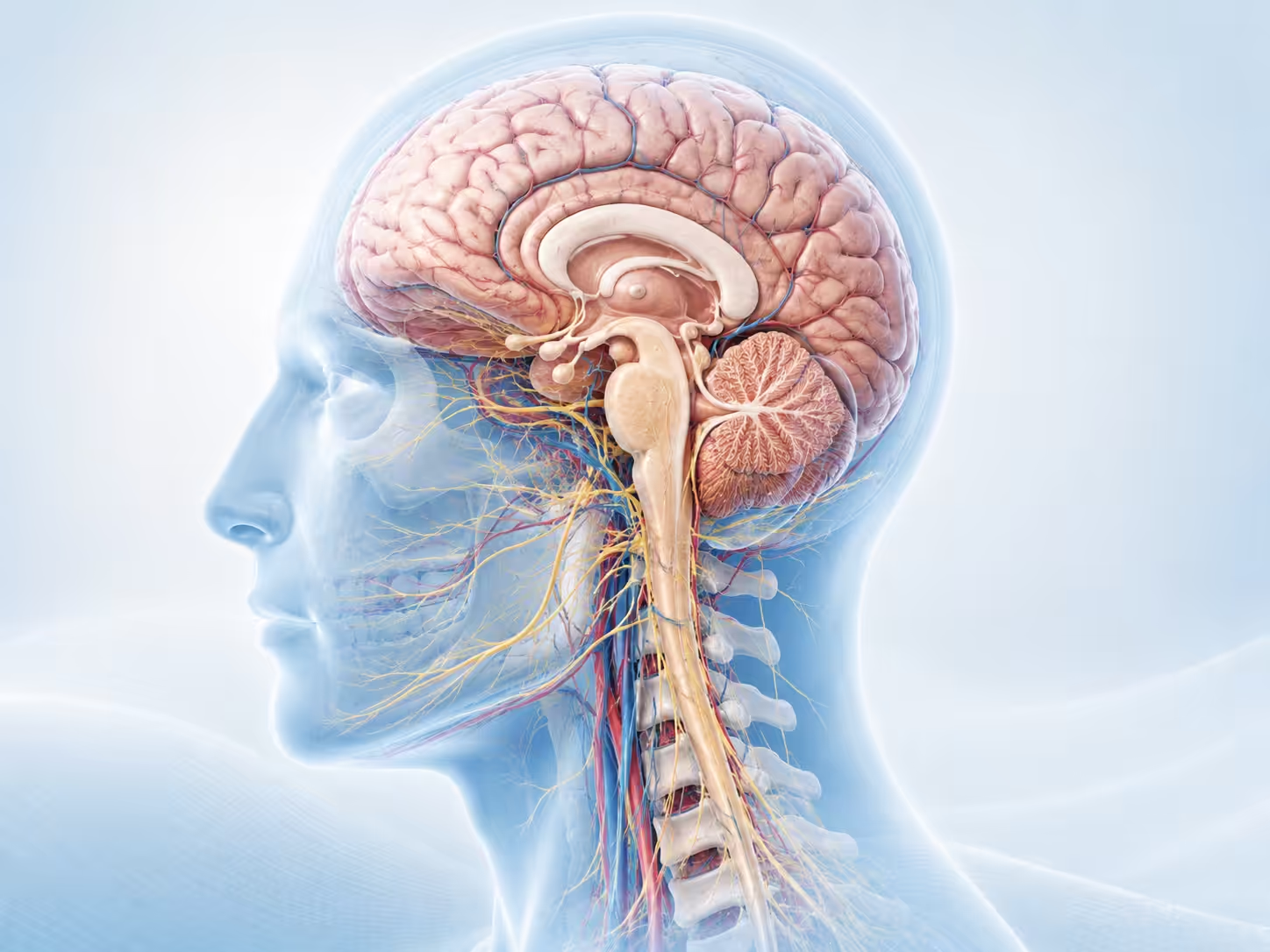
Neuroanatomy
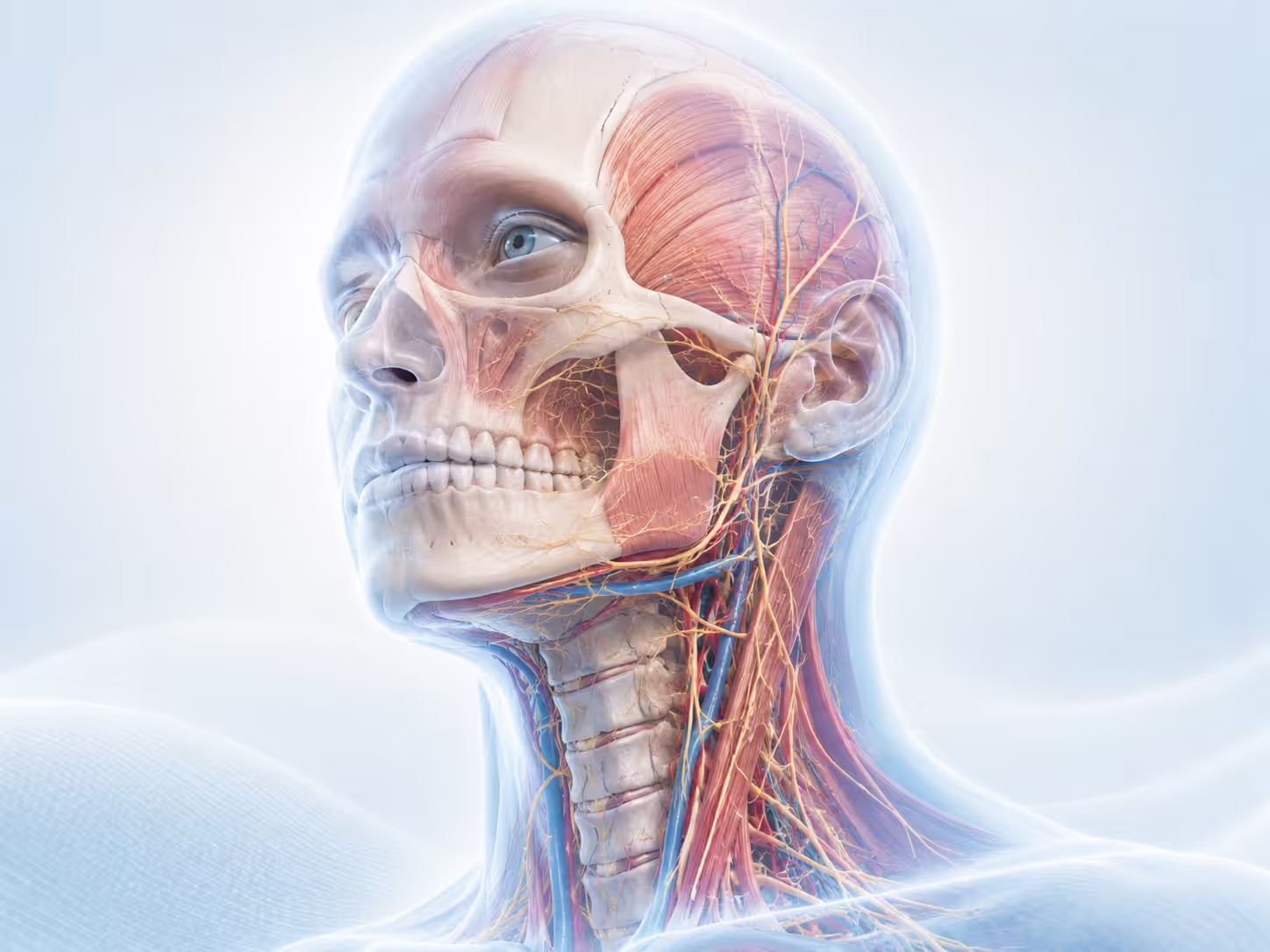
Head and Neck
Welcome to the Saturn Medic anatomy lab PDF — a free, region-by-region collection of anatomy study notes built for medical students. Each region comes with previewable pages you can browse directly on the site, plus a downloadable PDF you can save for offline study before labs, practicals, or exams. As the first Iraqi medical education platform, this anatomy lab PDF library was built to give students a clear, structured reference for every major body region, organized the same way anatomy is actually taught in medical curricula.
What’s Included in Our Anatomy Lab PDF Notes
The anatomy lab PDF collection is organized into 8 regions, matching the standard breakdown used across most anatomy courses:
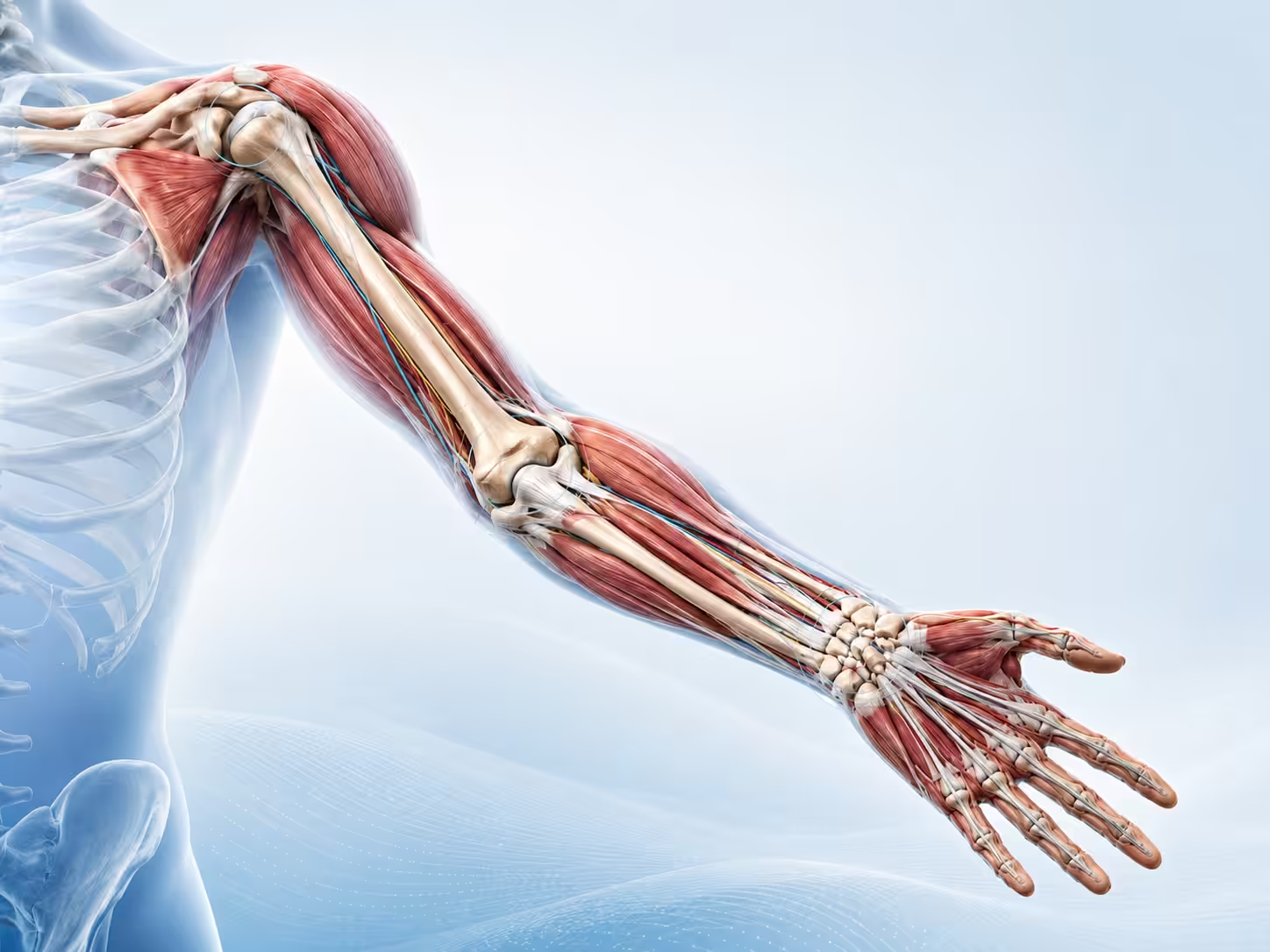
Upper Limb — covers the shoulder, arm, forearm, wrist, and hand, including bones, muscles, joints, and neurovascular structures specific to the region.
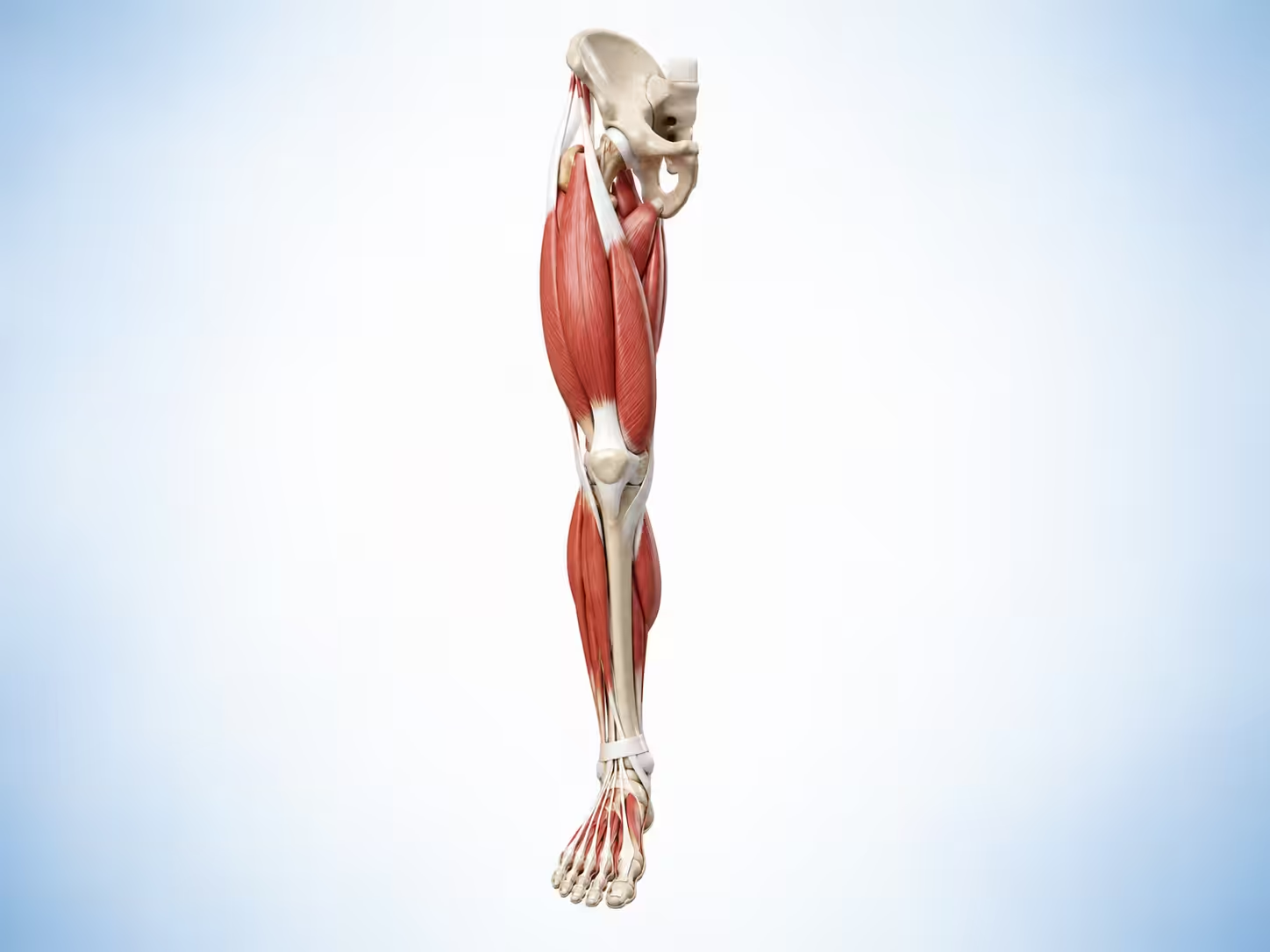
Lower Limb — covers the hip, thigh, leg, ankle, and foot, with the same structural breakdown applied to the lower limb’s bones, musculature, and nerve/vessel pathways.
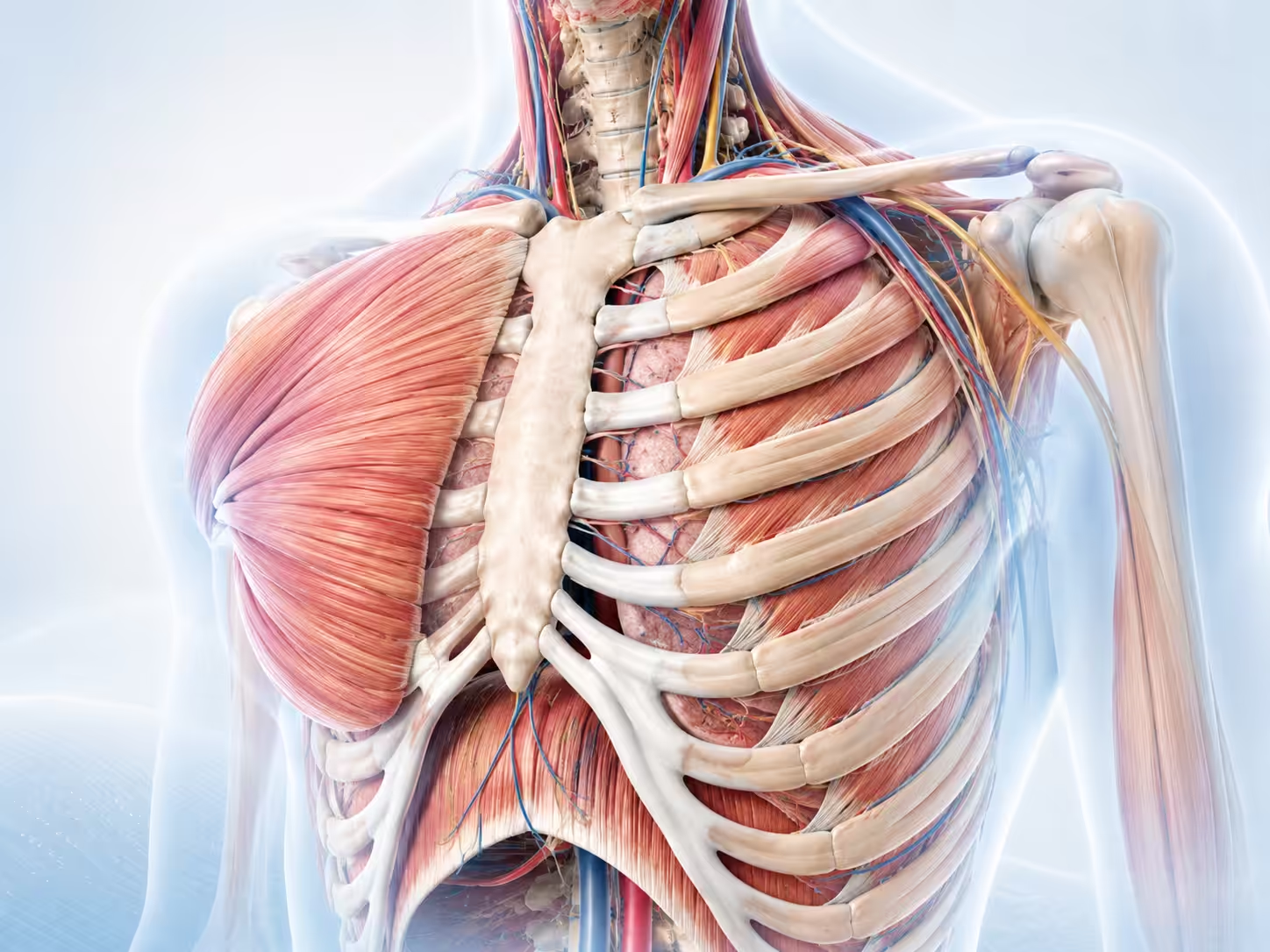
Thorax — covers the chest wall, ribcage, mediastinum, and thoracic organs, including the osteology and key neurovascular relationships that come up repeatedly in both anatomy and clinical exams.
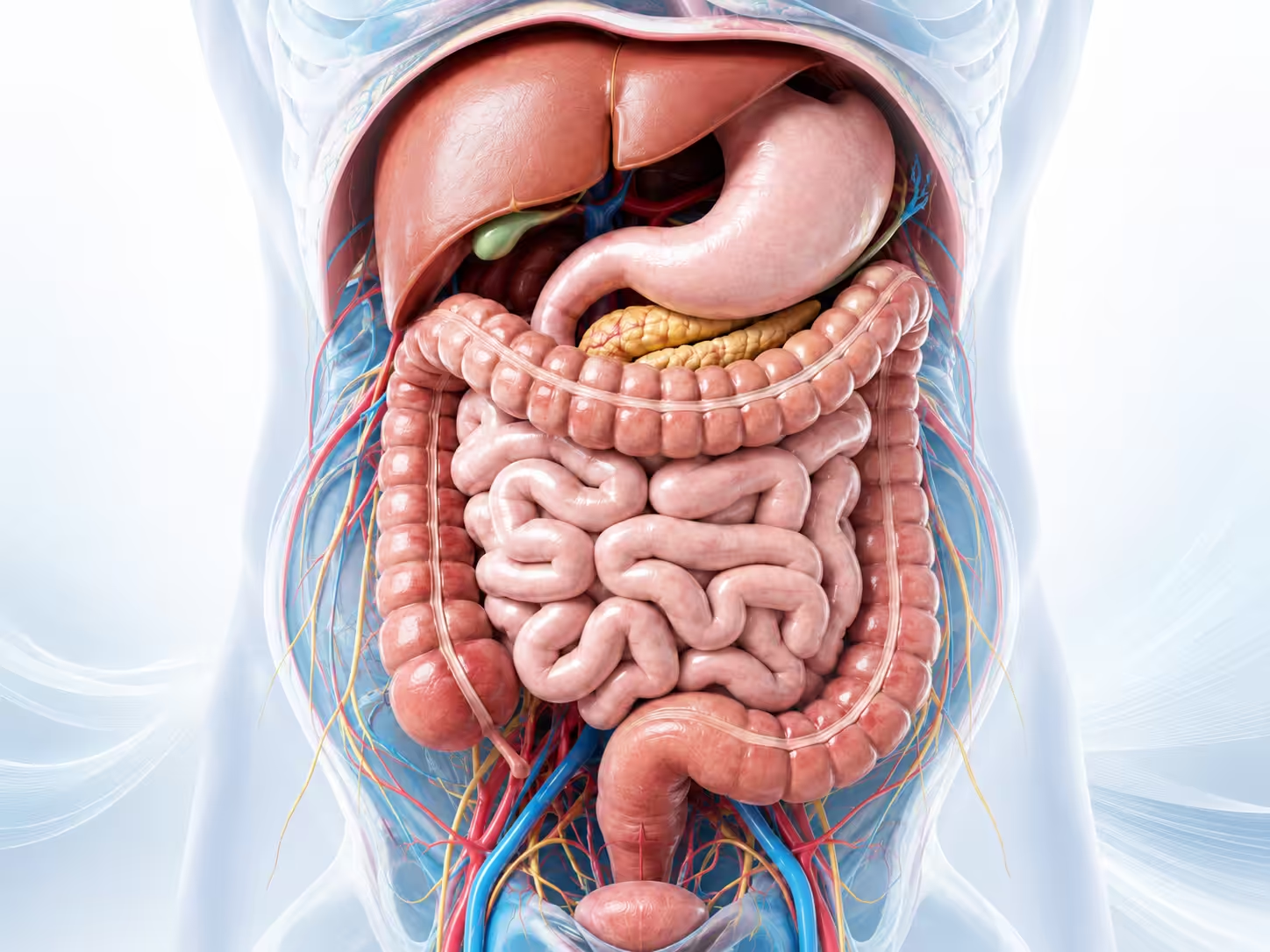
Abdomen — covers the abdominal wall, peritoneal cavity, and abdominal viscera, along with the vascular and nervous supply relevant to each structure.
Pelvis — covers the bony pelvis, pelvic floor, and pelvic viscera, including the anatomical relationships most commonly tested in exams and clinical scenarios.
Head & Neck — covers the skull, facial structures, neck triangles, and the dense network of nerves and vessels that make this one of the more challenging regions to master.
Neuroanatomy — covers the central and peripheral nervous system structures, including brain anatomy, spinal cord organization, and major neural pathways.
Back — covers the vertebral column, spinal musculature, and the anatomical landmarks relevant to posture, movement, and spinal-level clinical correlations.
Each region’s anatomy lab PDF is structured consistently, so once you’re familiar with how one region is laid out, moving to the next region feels immediately familiar rather than starting from scratch.
Why Students Use Our Anatomy Lab PDF Notes
Anatomy is one of the densest subjects in early medical education, and it’s easy to get lost switching between a heavy textbook, loose lecture slides, and scattered lab handouts. Having a single, consistently structured anatomy lab PDF per region cuts down that friction — you know exactly what format to expect and exactly where to find the structure you’re reviewing, whether that’s the day before a practical exam or during a focused study session weeks in advance.
Our anatomy lab PDF content is styled after standard clinical anatomy references such as Snell’s Clinical Anatomy and Netter’s Atlas of Human Anatomy, with structures cross-checked against interactive 3D tools like Anatomy 3D Atlas for accuracy. This means the terminology, structural relationships, and level of detail in each anatomy lab PDF reflect the same standards students already encounter in their coursework, rather than a simplified or inconsistent version of the material.
These notes are also designed to complement hands-on lab work rather than replace it. Reviewing the anatomy lab PDF before a cadaveric or model-based lab session means you walk in already familiar with the structures you’ll be identifying, which makes the actual lab time far more productive than trying to learn the material for the first time under time pressure.
How to Use the Anatomy Lab PDF
Start by choosing the region you’re currently studying from the list above. You can preview the pages directly on the site to get a quick look at what’s covered, or download the full PDF if you’d rather study offline or print it for lab. Many students keep the anatomy lab PDF open alongside our anatomy question bank, using the notes to build understanding first and the MCQs to test recall under exam-style conditions afterward — pairing the two tends to stick better than relying on notes alone.
New regions and updated content are added to the anatomy lab PDF library regularly, so check back as coverage continues to expand across all 8 regions.