

Clinical Subject Page
Gastroesophageal Reflux Disease (GERD)
Gastroesophageal reflux disease (GERD) is a chronic condition in which stomach contents reflux
into the esophagus, causing irritation of the esophageal mucosa.
Also called
ICD-10
Specialty
Onset
Reviewed
-
OverviewOverview
-
Etiology & Risk FactorsEtiology & Risk Factors
-
PathophysiologyPathophysiology
-
Clinical PresentationClinical Presentation
-
History TakingHistory Taking
-
Physical ExaminationPhysical Examination
-
InvestigationsInvestigations
-
DiagnosisDiagnosis
-
ManagementManagement
-
ComplicationsComplications
-
PrognosisPrognosis
-
Key Points / Clinical PearlsKey Points / Clinical Pearls
Overview
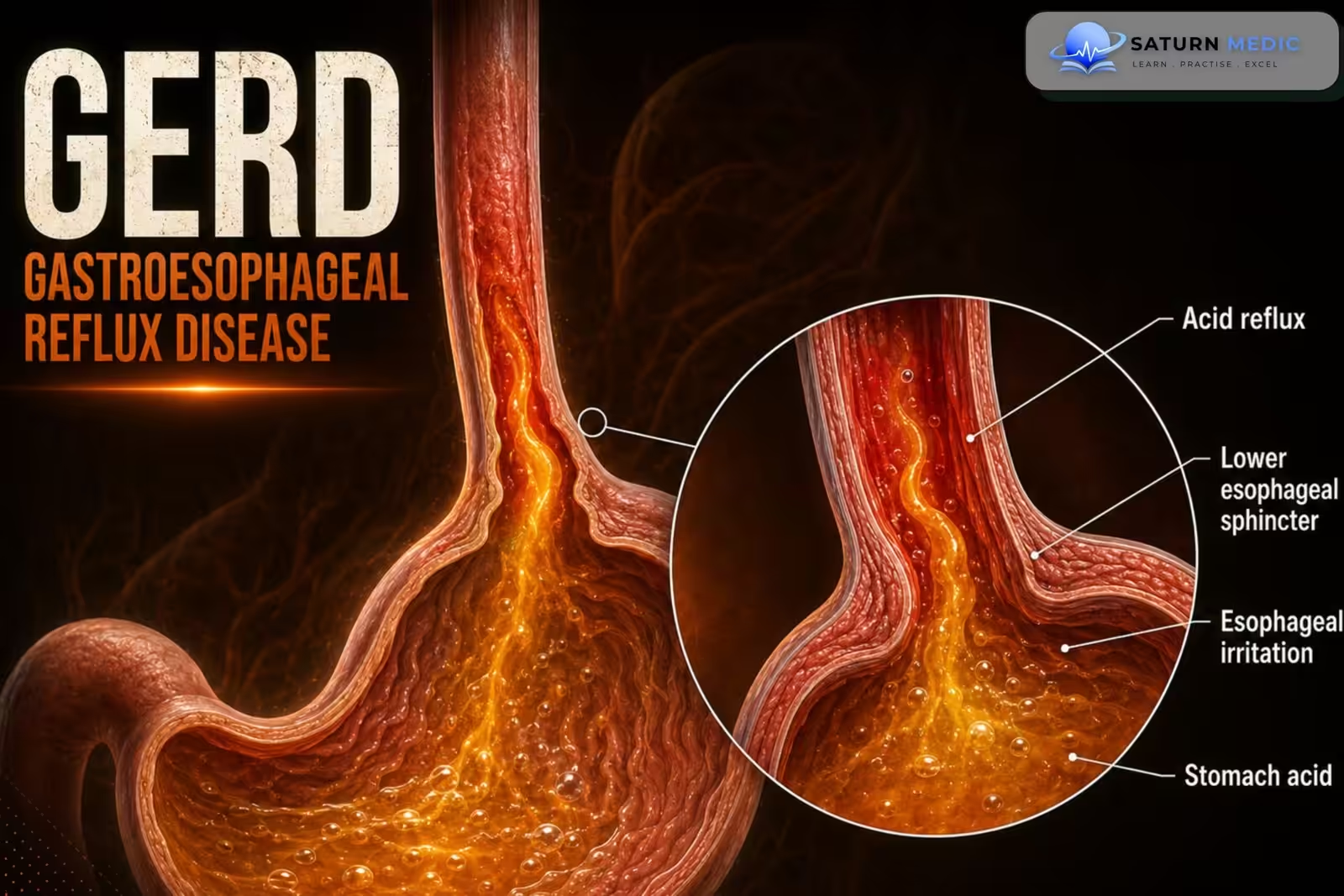
Gastroesophageal Reflux Disease (GERD) occurs primarily due to inappropriate transient relaxation of the lower esophageal sphincter
(LES), allowing gastric contents to flow back into the esophagus. Typical symptoms include
heartburn and regurgitation. Diagnosis is often clinical, with additional investigations reserved for
selected patients. Treatment includes lifestyle modifications, proton pump inhibitors (PPIs), and
surgery in selected cases.
Etiology & Risk Factors
• Transient inappropriate relaxation of the lower esophageal sphincter (LES)
• Obesity
• Stress
• Heavy meals
• Lying down shortly after eating
• Hiatal hernia (altered anatomy of the esophagogastric junction)
Pathophysiology
1. Transient relaxation or dysfunction of the LES.
2. Gastric contents reflux into the esophagus.
3. Acid exposure causes mucosal irritation and inflammation.
4. Chronic inflammation may lead to erosive esophagitis.
5. Persistent injury may progress to Barrett esophagus, increasing the risk of esophageal
adenocarcinoma.
Clinical Presentation
-
Typical symptoms of Gastroesophageal Reflux Disease (GERD) :
• Heartburn (retrosternal burning pain)
• Regurgitation
Other possible symptoms:
• Chest pain
• Dysphagia
Clinical presentation is variable among patients
History Taking
-
Ask about:
• Heartburn
• Regurgitation
• Chest pain
• Dysphagia
• Symptom frequency and duration
• Relation of symptoms to meals
• Symptoms after lying down
• Lifestyle factors: Obesity, Heavy meals, Eating before bedtime, Stress
• Previous Gastroesophageal Reflux Disease (GERD) treatment and response
Physical Examination
Physical examination is often normal.
Assess for signs suggesting complications or alternative diagnoses.
Investigations
-
When indicated:
• Esophagogastroduodenoscopy (EGD)
• 24-hour esophageal pH monitoring
These investigations help:
• Confirm GERD
• Assess esophageal injury
• Exclude other causes of symptoms
Diagnosis
-
Diagnosis is usually based on:
• Typical symptoms
• Response to empirical PPI therapy
Further diagnostic testing:
• EGD
• 24-hour pH monitoring
when diagnosis is uncertain or complications are suspected.
Related Topics
Management
1. Lifestyle Modifications
- Weight loss if overweight or obese
- Elevate the head of the bed for nocturnal symptoms
- Avoid meals 2–3 hours before bedtime
- Stop smoking
- Limit alcohol intake
- Avoid foods that trigger reflux (e.g., fatty foods, chocolate, caffeine, peppermint, spicy foods)
2. Medical Therapy
Mild or Intermittent Symptoms
- Antacids (as needed)
- Alginates
- H2-receptor antagonists (e.g., famotidine)
Frequent or Persistent Symptoms
- Proton pump inhibitors (PPIs) are the first-line treatment
- Omeprazole
- Pantoprazole
- Esomeprazole
- Lansoprazole
- Usually given once daily before breakfast for 8 weeks
- Increase to twice daily if symptoms persist
3. Maintenance Therapy
For patients with:
- Severe erosive esophagitis
- Barrett’s esophagus
- Recurrent symptoms after stopping PPIs
Management:
- Continue the lowest effective PPI dose
- Some patients with non-erosive disease may use PPIs on demand
4. Surgical or Endoscopic Treatment
Consider in patients with:
- Persistent symptoms despite optimized medical therapy
- Large hiatal hernia
- Complications of GERD
- Preference to avoid long-term medication
Options:
- Laparoscopic fundoplication (e.g., Nissen fundoplication)
- Magnetic sphincter augmentation (selected patients)
- Endoscopic anti-reflux procedures (selected patients)
5. Follow-Up
- Assess symptom control
- Review adherence to lifestyle modifications
- Repeat upper GI endoscopy if alarm features develop or symptoms persist despite treatment
- Monitor patients with Barrett’s esophagus according to surveillance guidelines
Complications
• Esophagitis
• Barrett esophagus
• Esophageal adenocarcinoma (via Barrett esophagus)
Prognosis
- Most patients improve with lifestyle modification and PPI therapy.
- Early treatment of esophagitis
reduces the risk of Barrett esophagus and subsequent malignant progression.
Key Points / Clinical Pearls
• Gastroesophageal Reflux Disease (GERD) is caused mainly by transient LES relaxation.
• Heartburn and regurgitation are the classic symptoms.
• Obesity, heavy meals, lying down after eating, stress, and hiatal hernia are major risk factors.
• Most patients are diagnosed clinically.
• PPIs are the mainstay of treatment.
• EGD and 24-hour pH monitoring are used when diagnosis is uncertain.
• Barrett esophagus is the most important long-term complication because it is premalignant.
- Goosenberg E, Vadakekut ES. National Center for Biotechnology Information (NIH). Gastroesophageal Reflux Disease, StatPearls.
- Katz PO, Dunbar KB, Schnoll-Sussman FH, Greer KB, Yadlapati R, Spechler SJ. ACG Clinical Guideline for the Diagnosis and Management of Gastroesophageal Reflux Disease. Am J Gastroenterol. 2022;117:27-56. PMID: 34807007.
- MedlinePlus, National Library of Medicine (NIH). GERD: Health Topic.
- National Center for Biotechnology Information (NIH). Barrett Esophagus, StatPearls.
- National Center for Biotechnology Information (NIH). Hiatal Hernia, StatPearls.