

Clinical Subject Page
Irritable Bowel Syndrome (IBS)
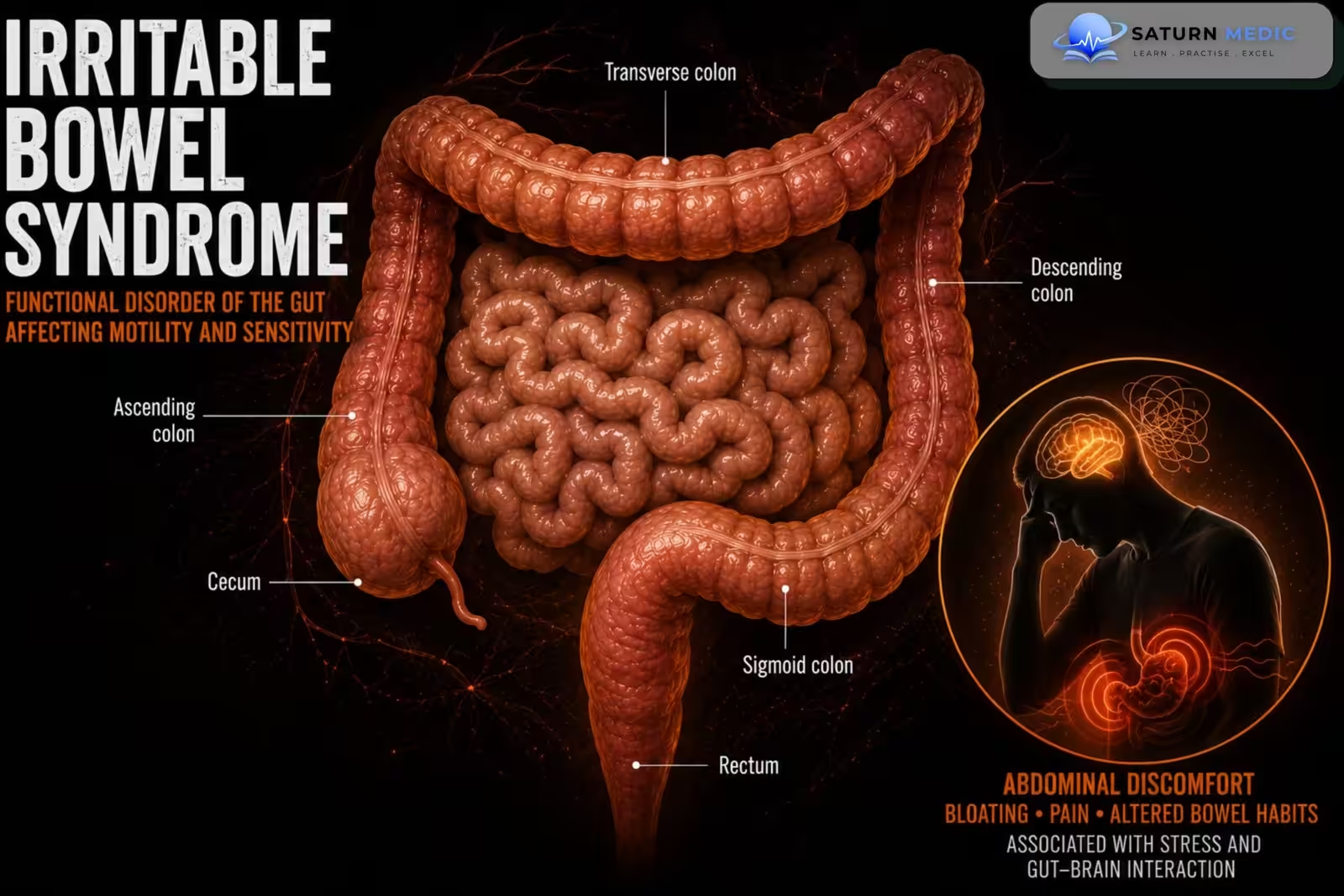
Irritable bowel syndrome (IBS) is a chronic disorder of gut–brain interaction characterized by recurrent abdominal pain associated with changes in bowel habits. Patients may experience constipation, diarrhea, or a mixture of both, without visible structural damage to the bowel.
Also called
ICD-10
Specialty
Onset
Reviewed
On This Page
-
OverviewOverview
-
Etiology & Risk FactorsEtiology & Risk Factors
-
PathophysiologyPathophysiology
-
Clinical PresentationClinical Presentation
-
History TakingHistory Taking
-
Physical ExaminationPhysical Examination
-
InvestigationsInvestigations
-
DiagnosisDiagnosis
-
ManagementManagement
-
ComplicationsComplications
-
PrognosisPrognosis
-
Key Points / Clinical PearlsKey Points / Clinical Pearls
Overview
Irritable Bowel Syndrome (IBS) causes recurrent abdominal pain, bloating, and altered bowel habits despite the absence of an identifiable structural abnormality. It is caused by abnormal communication between the gastrointestinal tract and the nervous system, with contributions from altered bowel motility, visceral hypersensitivity, intestinal microbiota, diet, and psychological stress.
Etiology & Risk Factors
Etiology
The exact cause is unknown. Irritable Bowel Syndrome (IBS) is considered a multifactorial disorder involving abnormal interaction between the bowel and the central nervous system.
Risk Factors
-
Female sex
-
Younger age
-
Family history of IBS
-
Previous gastrointestinal infection
-
Psychological stress
-
Anxiety or depression
-
Adverse life events
-
Food intolerance or dietary triggers
-
Altered intestinal microbiota
-
Sleep disturbance
Pathophysiology
Irritable Bowel Syndrome (IBS) results from abnormal communication along the gut–brain axis. Altered intestinal motility may produce constipation or diarrhea, while increased visceral sensitivity causes normal bowel contractions or distension to be perceived as painful. Changes in the intestinal microbiome, mild immune activation, dietary fermentation, and psychological stress may further increase bowel sensitivity and alter gastrointestinal function. Despite these symptoms, the bowel usually has no visible structural damage
Clinical Presentation
Gastrointestinal Symptoms
-
Recurrent abdominal pain
-
Abdominal cramps
-
Bloating
-
Abdominal distension
-
Constipation
-
Diarrhea
-
Alternating constipation and diarrhea
-
Urgency
-
Mucus in the stool
-
Feeling of incomplete evacuation
-
Symptoms related to defecation
Abdominal pain may improve or worsen after passing stool.
Associated Symptoms
-
Fatigue
-
Nausea
-
Back pain
-
Headache
-
Sleep disturbance
-
Anxiety
-
Reduced concentration
-
Urinary frequency
-
Painful menstruation
Important Note
The following are alarm features and are not typical of IBS:
-
-
Rectal bleeding
-
Unintentional weight loss
-
Iron-deficiency anemia
-
Persistent fever
-
Nocturnal diarrhea
-
Palpable abdominal or rectal mass
-
Family history of colorectal cancer, inflammatory bowel disease, or celiac disease
-
New onset of symptoms at an older age
-
History Taking
Ask about:
-
- Site and character of abdominal pain
- Relationship of pain to defecation
- Stool frequency
- Stool consistency
- Constipation or diarrhea
- Alternating bowel habits
- Bloating or distension
- Urgency
- Mucus in the stool
- Feeling of incomplete evacuation
- Nocturnal symptoms
- Rectal bleeding
- Weight loss
- Fever
- Dietary triggers
- Recent gastrointestinal infection
- Medication use
- Stress, anxiety, or mood symptoms
Physical Examination
General Examination
Look for:
-
Pallor
-
Weight loss
-
Fever
-
Signs of dehydration
-
Nutritional deficiency
The general examination is usually normal in IBS.
Abdominal Examination
May show:
-
Mild generalized tenderness
-
Lower abdominal tenderness
-
Abdominal bloating
There should normally be no:
-
Guarding
-
Rebound tenderness
-
Organ enlargement
-
Palpable abdominal mass
Digital Rectal Examination
May be performed when clinically indicated to assess:
-
Rectal mass
-
Blood
-
Fecal impaction
-
Pelvic floor dysfunction
Investigations
Irritable bowel syndrome (IBS) should be diagnosed using a positive symptom-based approach rather than performing extensive investigations in every patient.
Basic Investigations
Depending on the clinical presentation:
-
Complete blood count
-
C-reactive protein or ESR
-
Celiac disease serology
-
Renal function and electrolytes
-
Thyroid function tests when indicated
-
Stool testing if infection is suspected
Diarrhea-Predominant Symptoms
Consider:
-
Fecal calprotectin
-
C-reactive protein
-
Celiac serology
-
Stool culture
-
Clostridioides difficile testing
-
Ova and parasite testing when exposure risk is present
Fecal calprotectin can help distinguish IBS from inflammatory bowel disease.
Colonoscopy
Colonoscopy is not routinely required in younger patients with typical IBS symptoms and no alarm features.
It may be indicated when there is:
-
-
Rectal bleeding
-
Iron-deficiency anemia
-
Unexplained weight loss
-
Abnormal inflammatory markers
-
Family history of colorectal cancer
-
Suspected inflammatory bowel disease
-
Eligibility for routine colorectal cancer screening
-
Diagnosis
-
Diagnosis is usually based on:
• Characteristic endoscopic findings on EGD
• Histopathological confirmation of intestinal metaplasia from biopsy
Related Topics
Management
General Measures
-
Explain the diagnosis clearly
-
Reassure the patient that IBS does not damage the bowel
-
Identify dietary and emotional triggers
-
Keep a food and symptom diary
-
Eat regular meals
-
Maintain adequate hydration
-
Exercise regularly
-
Improve sleep
-
Reduce stress
-
Avoid unnecessary restrictive diets
Dietary Management
-
Gradually increase soluble fiber
-
Psyllium may help constipation and overall IBS symptoms
-
Reduce insoluble bran if it worsens bloating
-
Limit excessive caffeine
-
Reduce alcohol
-
Limit carbonated drinks
-
Reduce fatty or spicy foods if they trigger symptoms
A supervised low-FODMAP diet may be considered for persistent symptoms, preferably with guidance from a trained dietitian. The ACG guideline recommends a limited trial rather than indefinite restriction.
Abdominal Pain and Bloating
Options may include:
-
Antispasmodics
-
Peppermint oil
-
Low-dose tricyclic antidepressants
-
Gut-directed cognitive behavioral therapy
-
Gut-directed hypnotherapy
IBS with Constipation
Management may include:
-
Soluble fiber such as psyllium
-
Osmotic laxatives for constipation
-
Linaclotide
-
Lubiprostone
-
Plecanatide
-
Tenapanor, where available
Polyethylene glycol may improve constipation but may not adequately treat abdominal pain.
IBS with Diarrhea
Management may include:
-
Loperamide for diarrhea control
-
Rifaximin
-
Eluxadoline in selected patients
-
Bile acid sequestrants when bile acid diarrhea is suspected
-
Low-dose tricyclic antidepressants
Loperamide improves stool frequency but may not improve the overall abdominal pain of IBS.
Psychological Therapies
Consider when symptoms are persistent or stress-related:
-
-
Cognitive behavioral therapy
-
Gut-directed hypnotherapy
-
Relaxation techniques
-
Complications
IBS does not cause:
- Intestinal bleeding
- Bowel inflammation
- Bowel obstruction
- Ulceration
- Colorectal cancer
- Permanent bowel damage
However, it may lead to:
- Reduced quality of life
- Missed work or education
- Anxiety or depression
- Sleep disturbance
- Food avoidance
- Nutritional deficiency from excessive dietary restriction
- Frequent healthcare visits
Prognosis
-
Irritable bowel syndrome (IBS) is a chronic, relapsing condition. Symptoms may improve, worsen, or change between constipation and diarrhea over time. Although IBS can significantly affect quality of life, it does not increase the risk of inflammatory bowel disease or colorectal cancer. Long-term control is usually possible through education, lifestyle modification, dietary changes, and individualized treatment.
Key Points / Clinical Pearls
Irritable bowel syndrome (IBS) is a disorder of gut–brain interaction.
It causes abdominal pain associated with altered bowel habits.
IBS does not cause visible bowel damage or inflammation.
The main subtypes are IBS-C, IBS-D, IBS-M, and IBS-U.
Diagnosis is based on the Rome IV criteria.
Extensive testing is unnecessary when symptoms are typical and no alarm features are present.
Rectal bleeding, weight loss, anemia, fever, and nocturnal diarrhea are not typical of IBS.
Soluble fiber is preferred to insoluble bran.
A supervised low-FODMAP diet may help selected patients.
Treatment depends on the predominant symptoms.
Psychological therapies can improve symptoms through the gut–brain axis
- Nathani RR, Sodhani S, Goosenberg E. National Center for Biotechnology Information (NIH). Irritable Bowel Syndrome, StatPearls.
- Lacy BE, Pimentel M, Brenner DM, et al. ACG Clinical Guideline: Management of Irritable Bowel Syndrome. Am J Gastroenterol. 2021;116:17-44. PMID: 33315591.
- The Rome Foundation. Rome IV Diagnostic Criteria.
- MedlinePlus, National Library of Medicine (NIH). Irritable Bowel Syndrome: Health Topic.
- Chey WD, Kurlander J, Eswaran S. Irritable Bowel Syndrome: A Clinical Review. JAMA. 2015;313:949-958.