Physical experiments for medical students form the practical foundation of pre-clinical education, bridging the gap between classroom physics and the instruments doctors rely on every day. Long before a medical student picks up a stethoscope or reads an X-ray, they need to understand the physical principles that make those tools work — acoustics, optics, electricity, radiation, and fluid mechanics. This collection of physical experiments brings together more than 20 hands-on labs designed specifically for medical curricula, each one connecting a core physics concept to its real-world clinical application.
Why Physics Matters in Medical Training
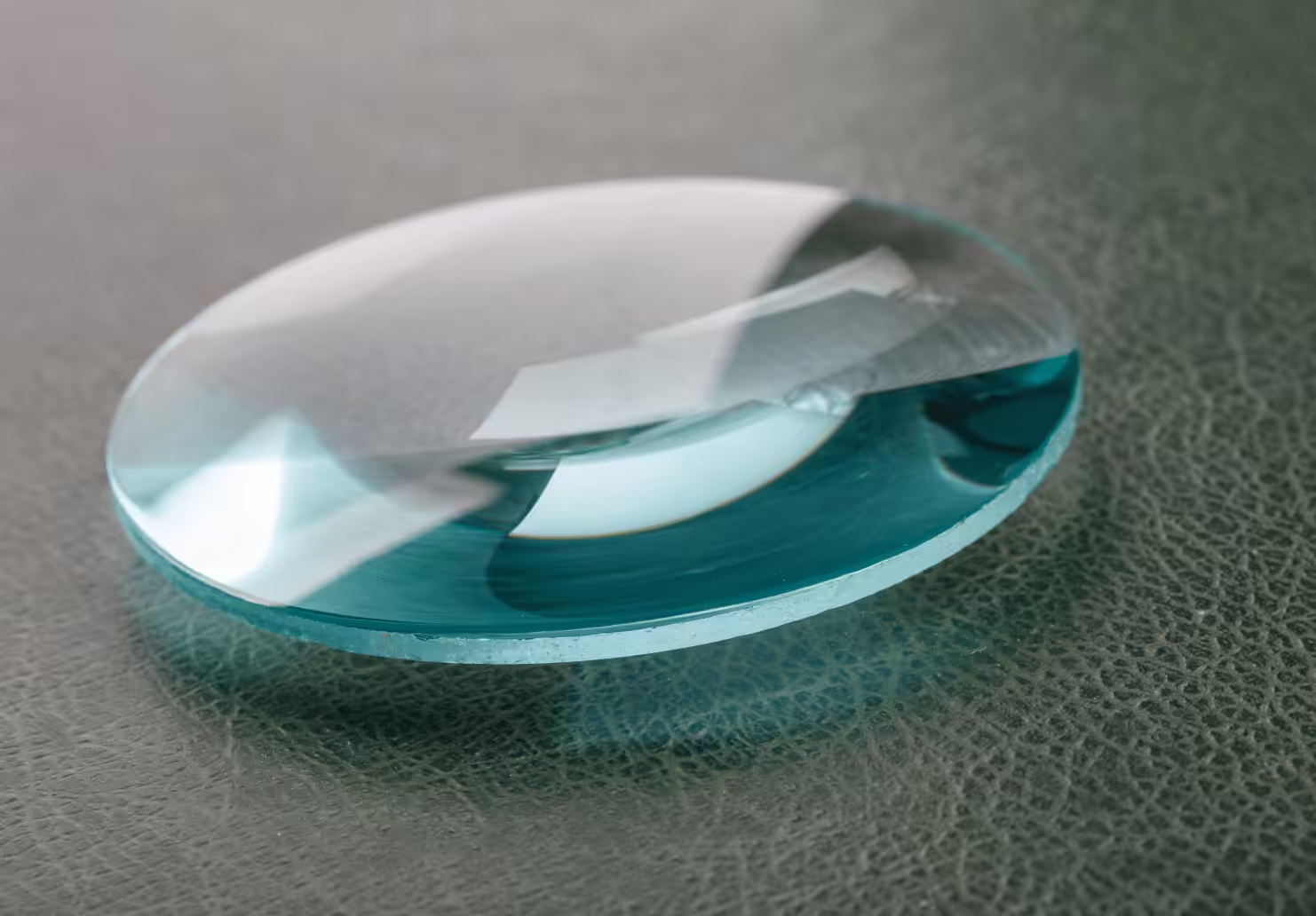
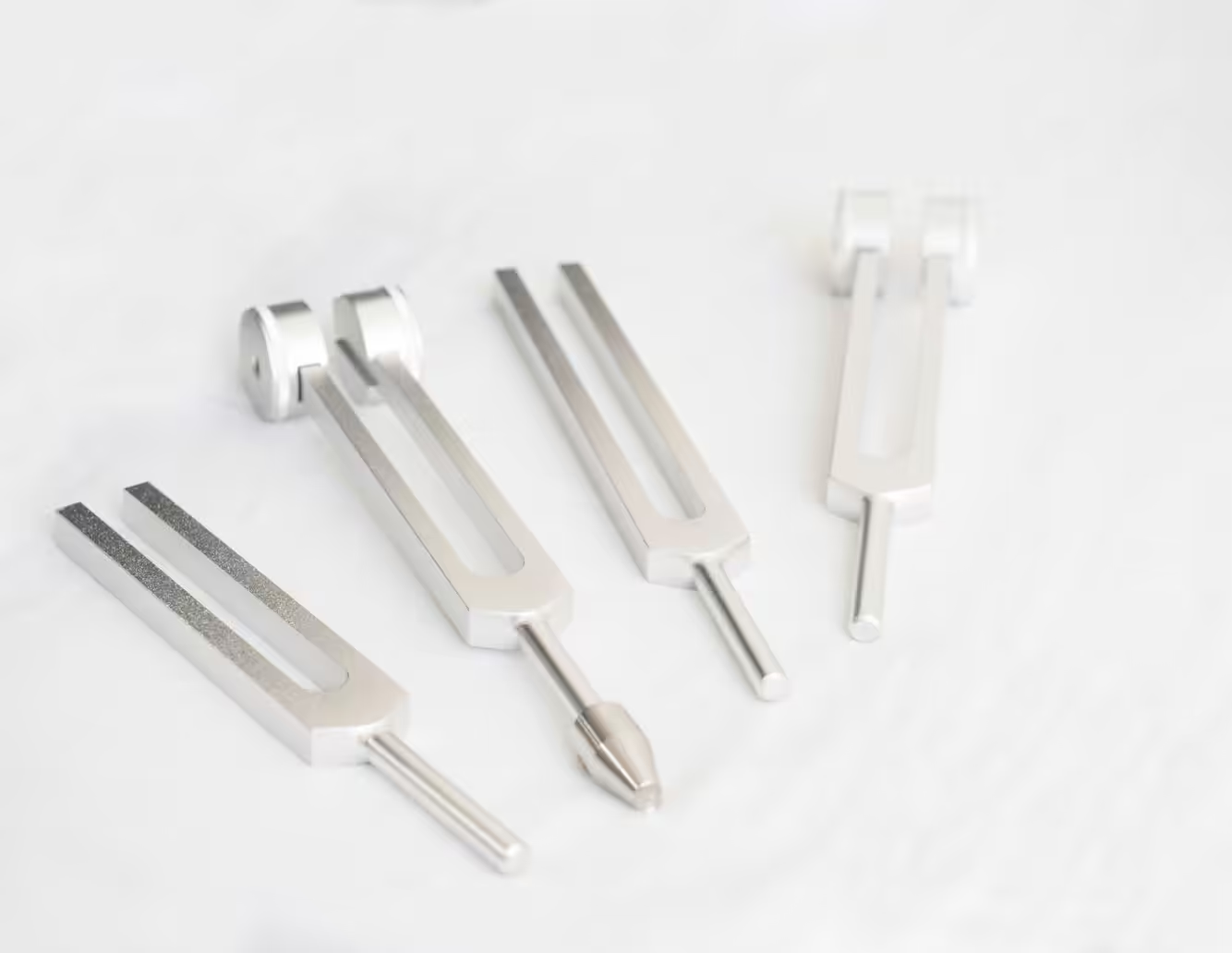
Medical physics isn’t a theoretical detour — it’s the science behind diagnosis and treatment, and these physical experiments are built to make that connection explicit rather than assumed. The acoustics governing a simple pendulum or a tuning fork experiment are the same principles that explain how a stethoscope amplifies heart sounds. The optics behind a convex lens or a polarimeter experiment underpin how an ophthalmoscope examines the retina or how a microscope resolves tissue samples. Radiation detection experiments introduce the physics behind X-ray imaging and radiotherapy dosing, as outlined by NIBIB, while fluid mechanics experiments like the falling ball viscometer explain blood viscosity and flow dynamics in the cardiovascular system. Understanding these principles early, through direct hands-on physical experiments rather than passive reading, gives medical students a stronger intuition for the equipment and imaging they’ll depend on throughout clinical practice.
Physical Experiments for Medical Students: What’s Covered
The physical experiments in this section are organized around four major physics domains relevant to medicine:
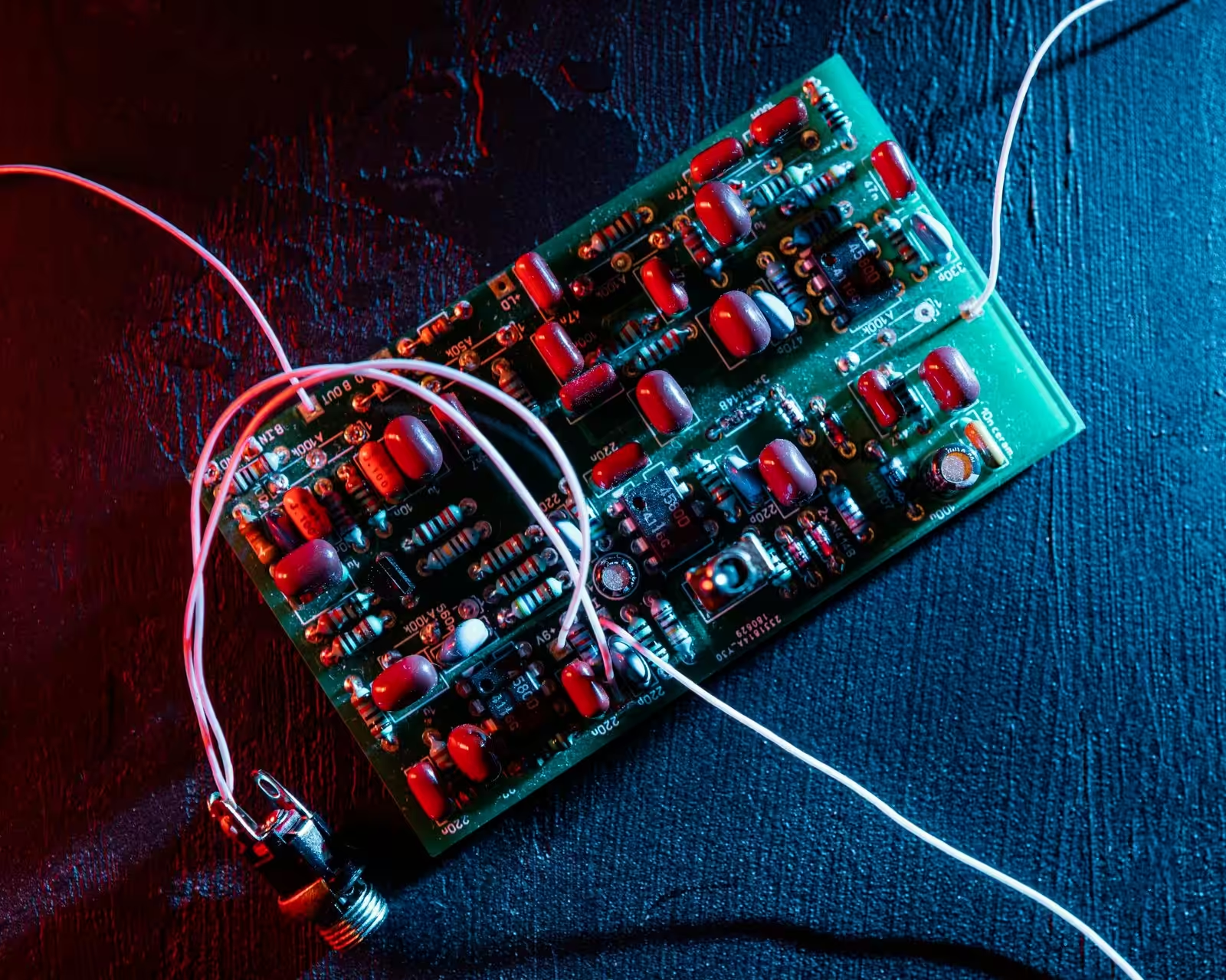
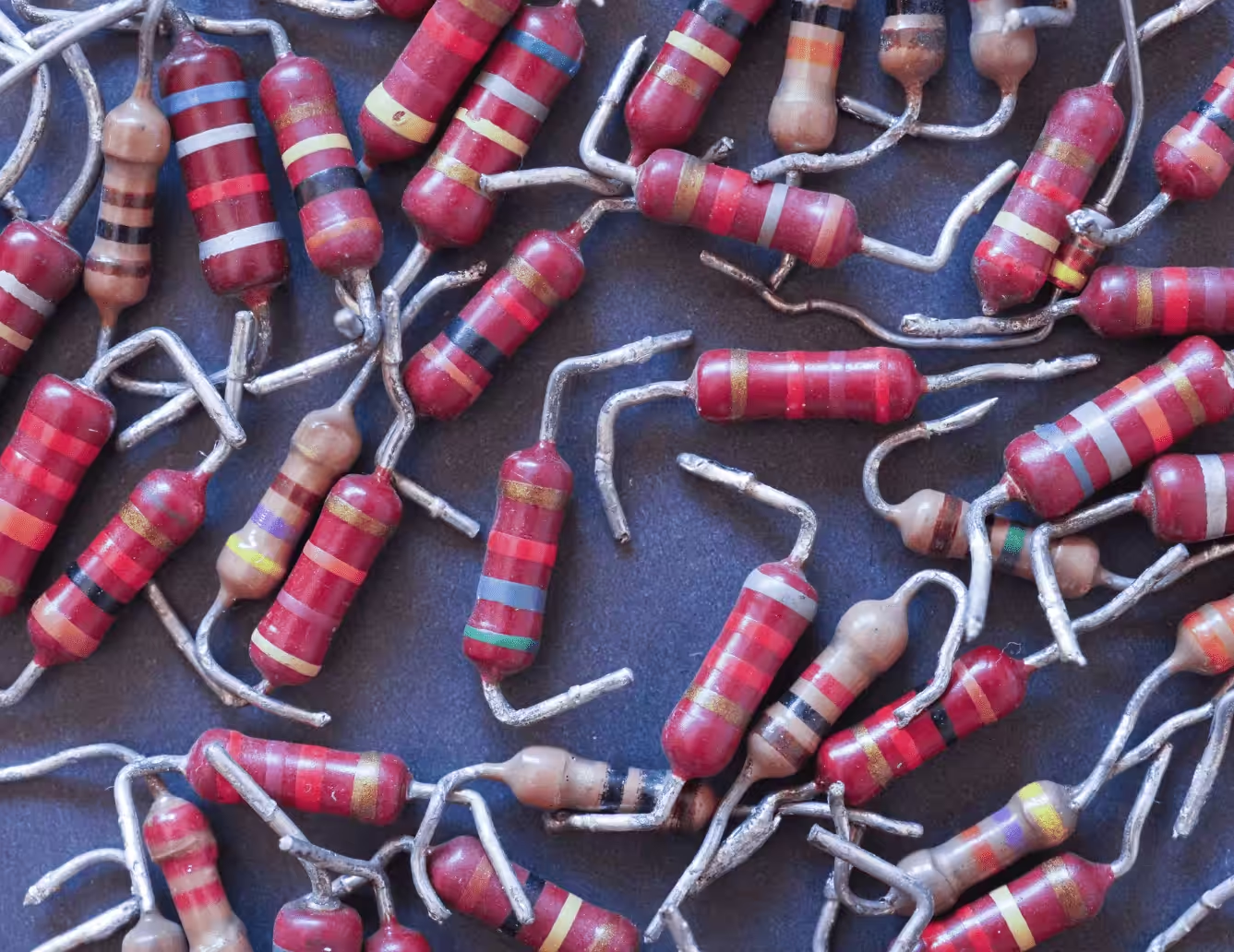
- Electricity and circuits — including AC circuits with inductance and resistance, and variation of resistance experiments, which relate directly to the electrical principles behind ECG and EEG machines.
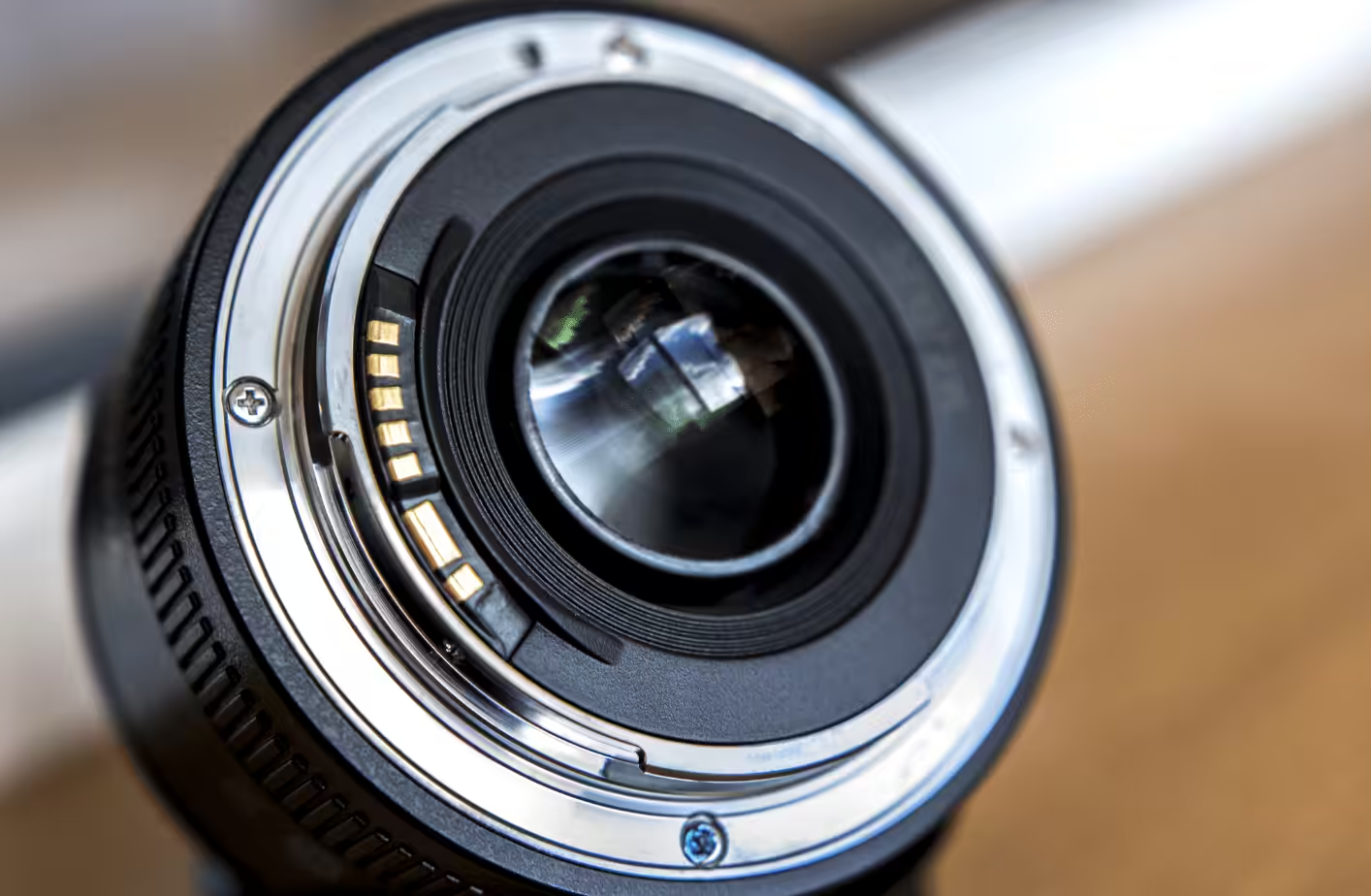
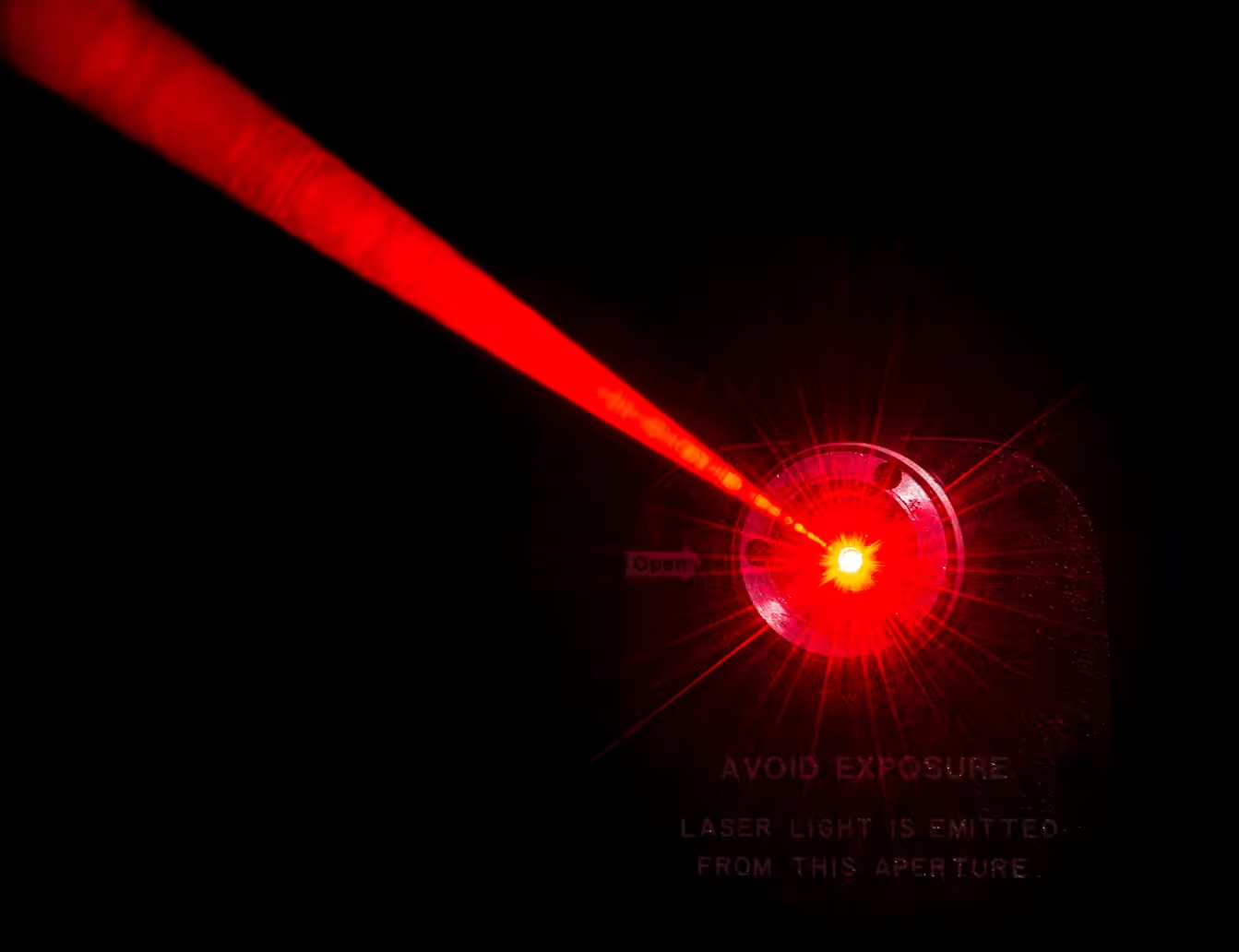
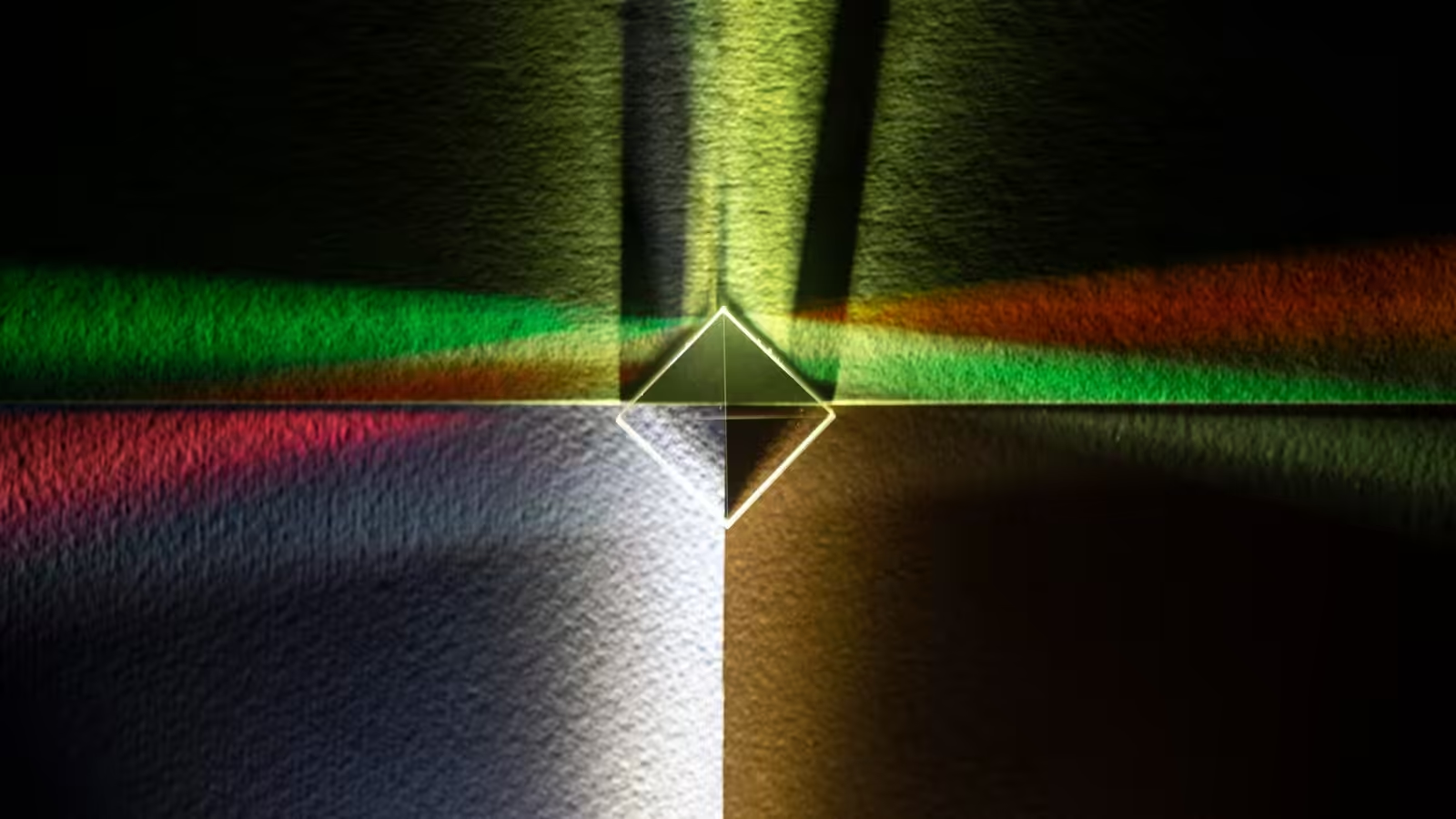
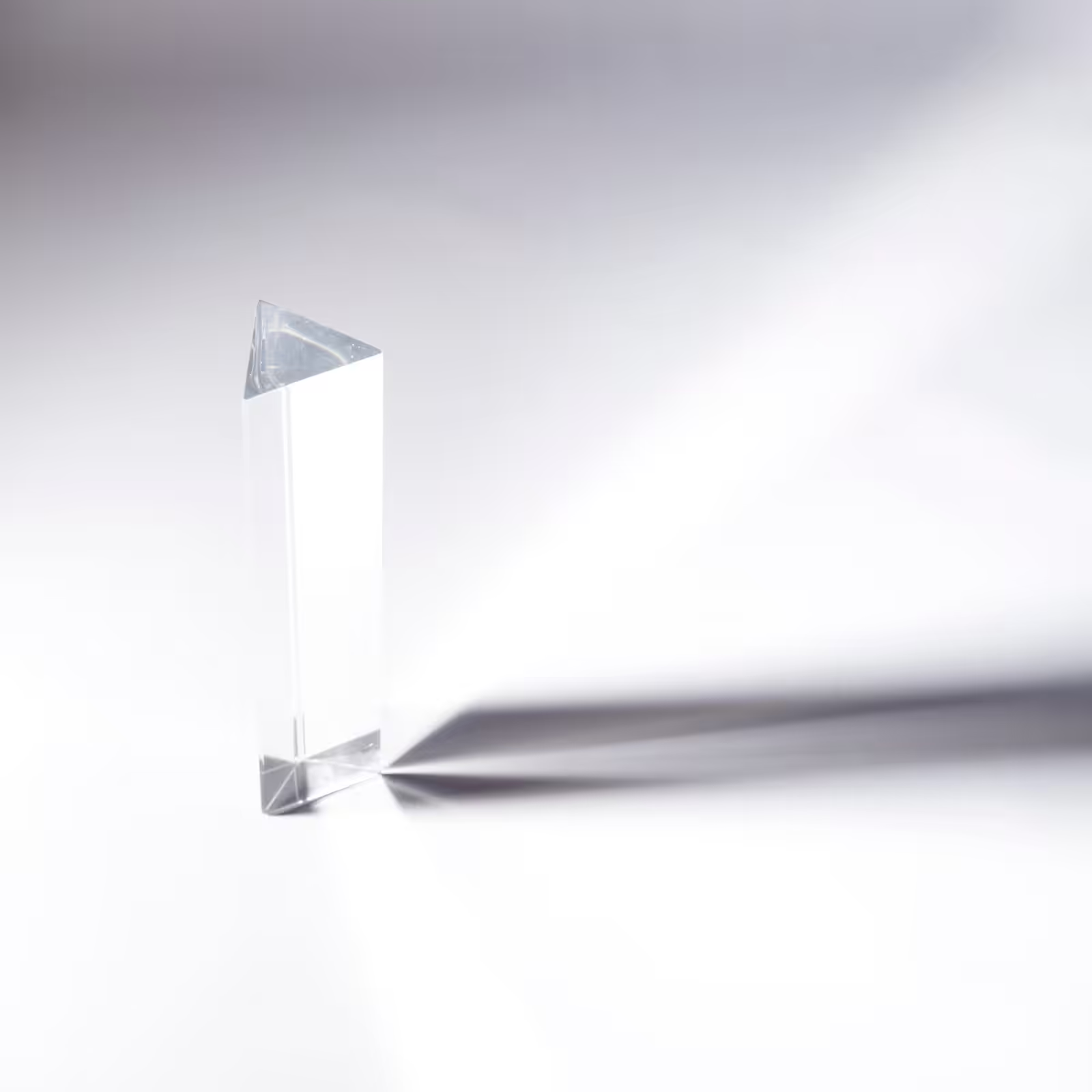
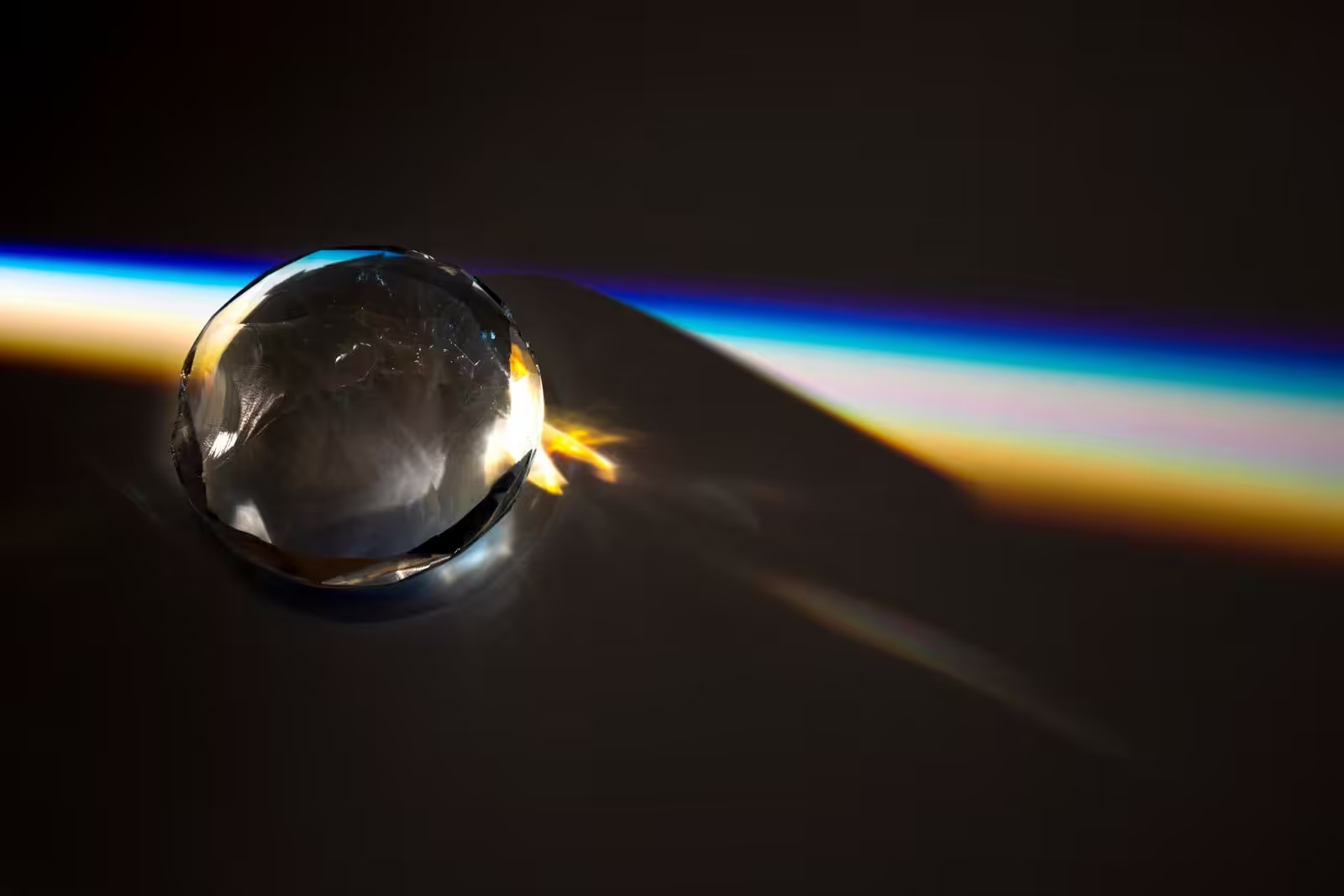
- Optics and light — covering focal length determination, diffraction gratings, polarization of light, and laser-based experiments, which connect to ophthalmology, microscopy, and laser-based medical devices.
- Radiation and particle physics — including radiation detection with an ionization chamber and scattering of beta particles, foundational to understanding diagnostic imaging and radiotherapy.
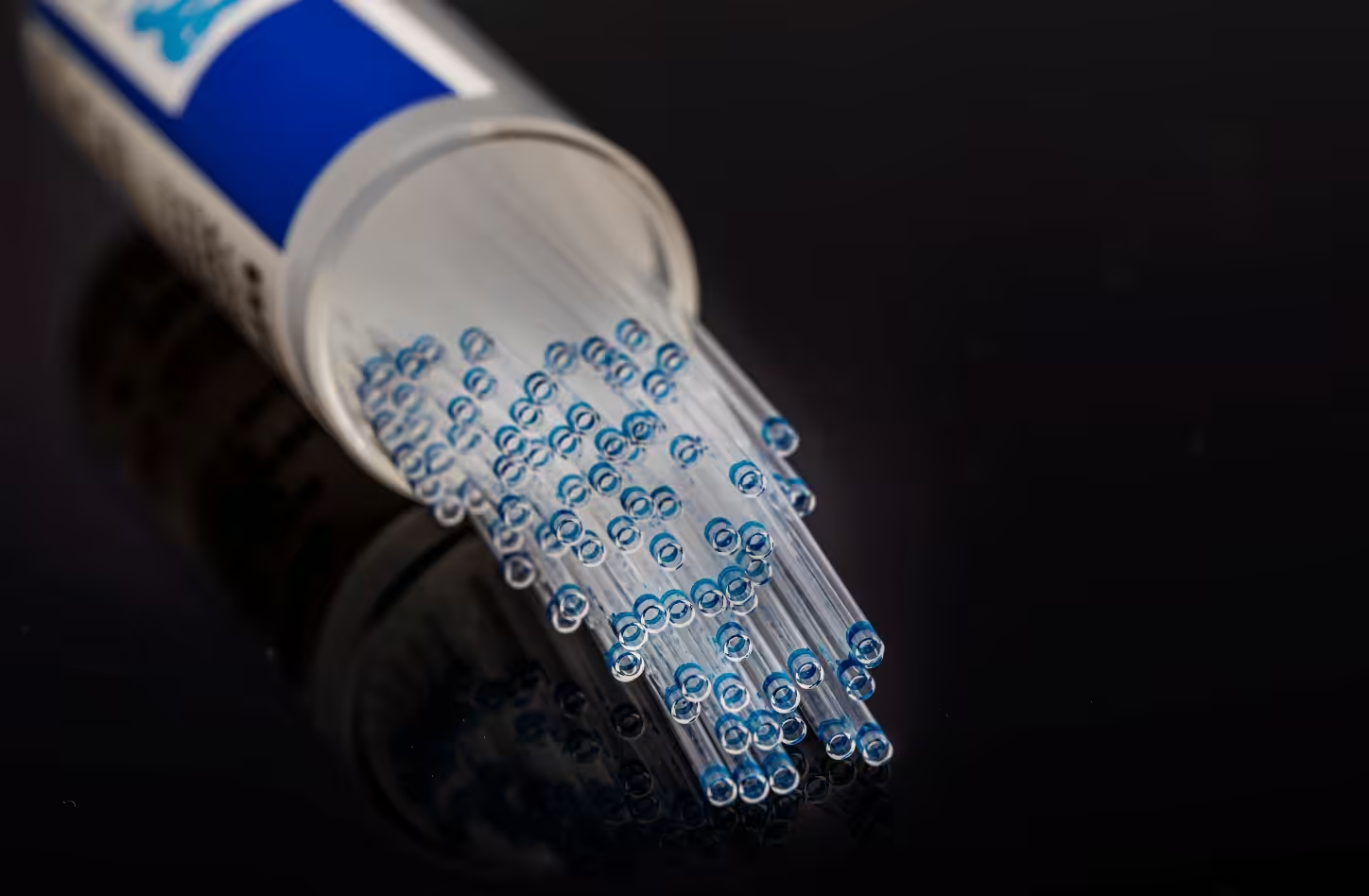
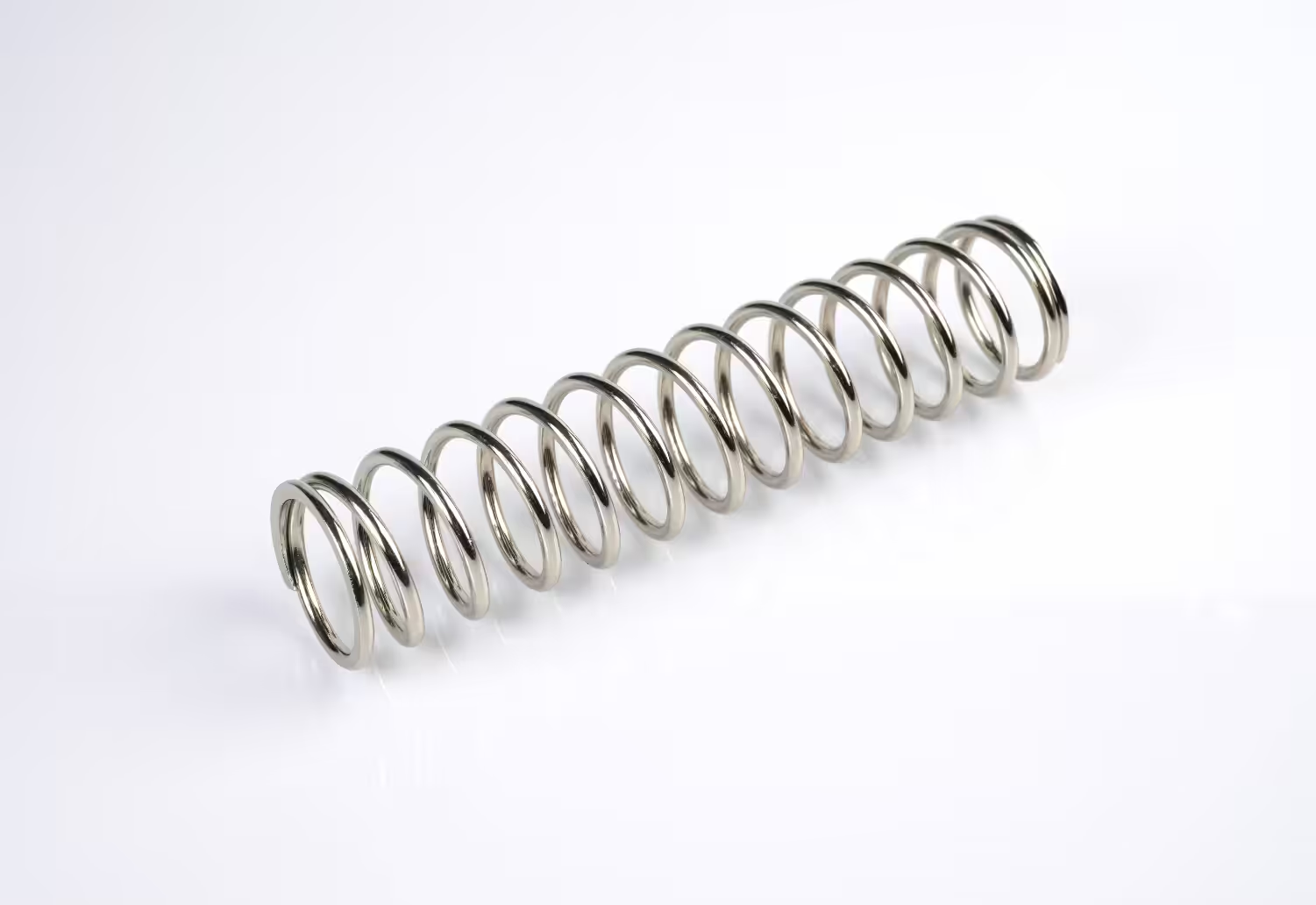
- Mechanics and fluids — including the simple pendulum, Hooke’s law with a spiral spring, surface tension, and viscosity experiments, which relate to biomechanics and hemodynamics.
Each of these four domains is represented by multiple individual physical experiments, so students working through a specific area — say, optics before an ophthalmology rotation — can focus on that cluster without wading through unrelated topics.
How to Use These Physical Experiments
Each experiment page includes a clear step-by-step procedure, the apparatus required, the underlying physical law being demonstrated, and worked sample calculations so students can check their results against expected values. Whether you’re preparing for a practical exam ahead of your clinical rotations, revising before a viva, or simply building intuition for how physics underlies medical instrumentation, these physical experiments are structured to be followed independently or alongside in-person lab sessions.
Many students find it useful to work through the physical experiments in the same order they appear in their coursework, then return to specific ones before a practical exam as a fast, targeted review rather than re-reading the full theory each time.
Explore the full list of physical experiments for medical students below, spanning electricity, optics, radiation, and mechanics — each linked to its own detailed guide with procedure, theory, and calculations.