

Clinical Subject Page
Toxic megacolon
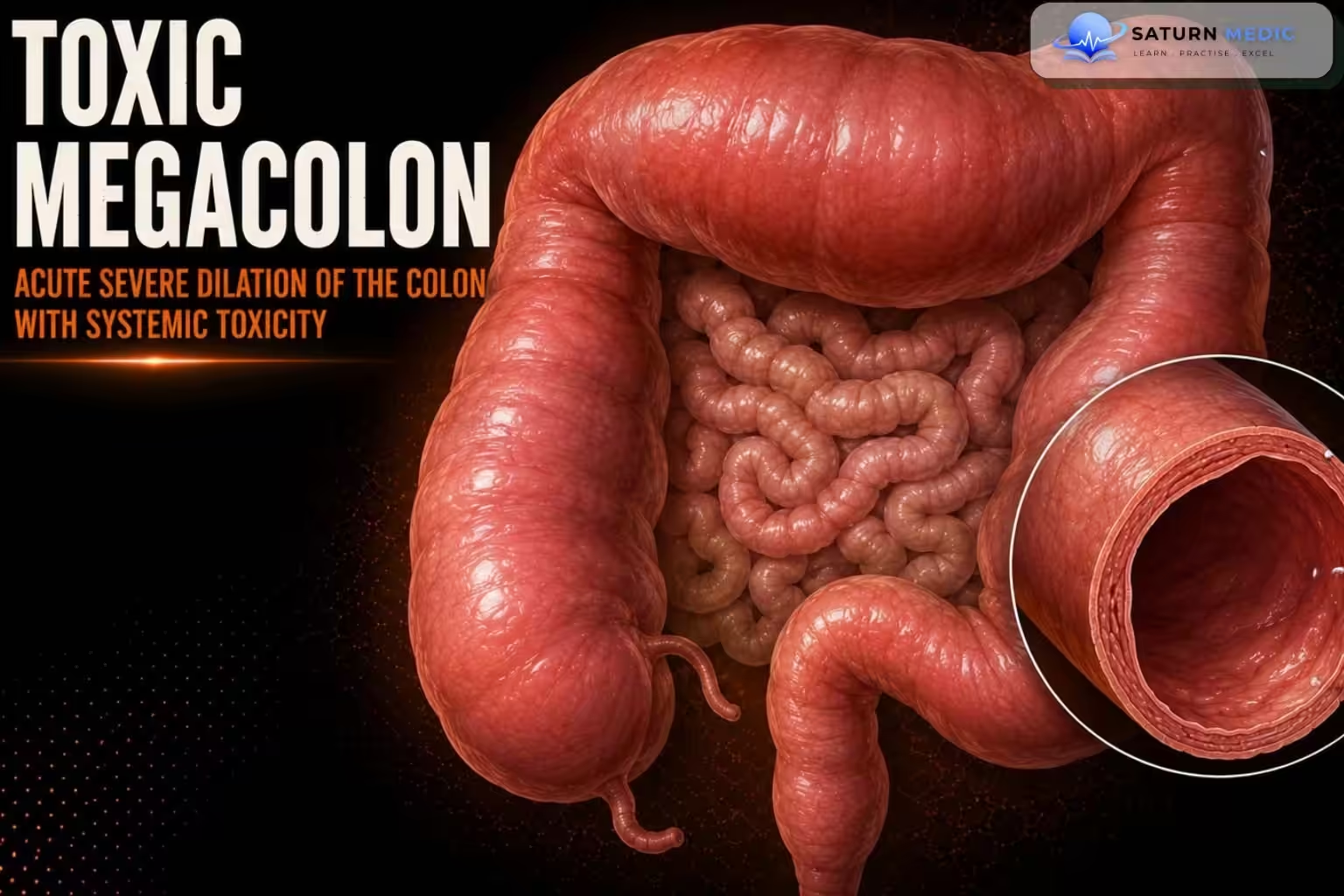
Toxic megacolon is an acute, life-threatening complication of severe colonic inflammation characterized by non-obstructive colonic dilatation together with systemic toxicity. It can rapidly progress to colonic ischemia, perforation, peritonitis, sepsis, and shock
Also called
ICD-10
Specialty
Onset
Reviewed
-
OverviewOverview
-
Etiology & Risk FactorsEtiology & Risk Factors
-
PathophysiologyPathophysiology
-
Clinical PresentationClinical Presentation
-
History TakingHistory Taking
-
Physical ExaminationPhysical Examination
-
InvestigationsInvestigations
-
DiagnosisDiagnosis
-
ManagementManagement
-
ComplicationsComplications
-
PrognosisPrognosis
-
Key Points / Clinical PearlsKey Points / Clinical Pearls
Overview
Toxic megacolon occurs when severe inflammation extends into the deeper layers of the colonic wall, causing loss of smooth-muscle tone and paralysis of the colon. The affected segment becomes markedly dilated, usually greater than 6 cm, while the patient develops signs of systemic toxicity such as fever, tachycardia, hypotension, dehydration, or altered mental status.
It is most commonly associated with severe ulcerative colitis but can also occur with Crohn colitis and infectious colitis, particularly Clostridioides difficile. It is a medical and surgical emergency requiring immediate hospitalization, intensive monitoring, treatment of the underlying cause, and early colorectal surgical involvement
Etiology & Risk Factors
Etiology
Toxic megacolon develops as a complication of severe inflammation affecting the colon.
Inflammatory Causes
-
Ulcerative colitis
-
Crohn colitis
-
Behçet colitis, rarely
Infectious Causes
-
Clostridioides difficile colitis
-
Salmonella
-
Shigella
-
Campylobacter
-
Cytomegalovirus colitis
-
Amoebic colitis
Other Causes
-
Ischemic colitis
-
Severe inflammatory colitis related to medications
-
Neutropenic colitis
-
Graft-versus-host disease
Risk Factors and Precipitating Factors
-
Severe or uncontrolled colitis
-
Delayed treatment of acute severe ulcerative colitis
-
Electrolyte disturbances, especially hypokalemia
-
Opioid use
-
Anticholinergic medications
-
Antidiarrheal agents
-
Barium enema
-
Colonoscopy during severe active colitis
-
Immunosuppression
-
Recent antibiotic use
-
Hospitalization
-
Previous episodes of severe colitis
Pathophysiology
Severe mucosal inflammation extends into the muscular layers of the colon and disrupts normal smooth-muscle contraction. Inflammatory mediators, including nitric oxide, reduce colonic muscle tone and cause paralysis. Gas and intestinal contents then accumulate within the non-functioning colon, resulting in progressive dilatation. Increasing intraluminal pressure reduces blood flow to the bowel wall and may cause ischemia, necrosis, perforation, fecal peritonitis, sepsis, and circulatory shock
Clinical Presentation
Gastrointestinal Symptoms
-
Severe abdominal pain
-
Marked abdominal distension
-
Bloody diarrhea
-
Frequent bowel movements
-
Reduced bowel movements in advanced colonic paralysis
-
Nausea
-
Vomiting
-
Inability to pass stool or flatus
Systemic Features
-
Fever
-
Tachycardia
-
Hypotension
-
Dehydration
-
Weakness
-
Confusion or altered mental status
-
Features of sepsis or shock
Physical Signs
-
-
Severely distended abdomen
-
Diffuse abdominal tenderness
-
Tympanic percussion note
-
Reduced or absent bowel sounds
-
Guarding or rebound tenderness
-
Signs of peritonitis if perforation has occurred
-
History Taking
Ask about:
-
- Duration and severity of abdominal pain
- Progressive abdominal distension
- Frequency and appearance of stools
- Bloody diarrhea
- Ability to pass stool or flatus
- Fever or chills
- Nausea or vomiting
- Known ulcerative colitis or Crohn disease
- Recent antibiotic use
- Recent hospitalization
- Previous C. difficile infection
- Immunosuppressive medication use
- Opioid, anticholinergic, or antidiarrheal use
- Recent colonoscopy or barium study
Physical Examination
General Examination
Assess for:
-
Fever
-
Tachycardia
-
Hypotension
-
Dehydration
-
Pallor
-
Confusion
-
Sepsis
-
Hemodynamic instability
Abdominal Examination
Look for:
-
Marked abdominal distension
-
Visible dilated bowel loops
-
Previous surgical scars
Assess for:
-
Diffuse tenderness
-
Tympany
-
Guarding
-
Rebound tenderness
-
Reduced or absent bowel sounds
-
Signs of perforation or peritonitis
Other Examination
Assess for:
-
Reduced urine output
-
Peripheral perfusion
-
Extraintestinal manifestations of inflammatory bowel disease
-
Signs of severe infection
Investigations
Laboratory Tests
-
Complete blood count
-
C-reactive protein
-
ESR
-
Renal function and electrolytes
-
Liver function tests
-
Serum albumin
-
Serum lactate
-
Arterial or venous blood gas
-
Coagulation profile
-
Blood cultures if febrile or septic
-
Blood group and crossmatch
Possible findings include:
-
Leukocytosis
-
Anemia
-
Elevated inflammatory markers
-
Hypokalemia
-
Hypoalbuminemia
-
Metabolic acidosis
-
Elevated lactate
Stool Tests
-
Clostridioides difficile toxin or PCR testing
-
Stool culture
-
Ova and parasite testing when indicated
-
Viral testing or biopsy assessment for CMV in selected immunosuppressed patients
Abdominal Radiograph
May show:
-
Colonic dilatation, commonly greater than 6 cm
-
Loss of normal haustral markings
-
Mucosal edema
-
Thumbprinting
-
Free subdiaphragmatic air if perforation has occurred
Serial abdominal radiographs may be used to monitor the degree of dilatation.
CT Abdomen and Pelvis
CT may demonstrate:
-
Extent of colonic dilatation
-
Colonic wall thickening
-
Pericolic inflammation
-
Pneumatosis intestinalis
-
Ischemia
-
Perforation
-
Abscess
-
Alternative causes of abdominal distension
Endoscopy
Full colonoscopy is generally avoided because insufflation and bowel preparation may increase the risk of perforation.
A cautious, limited flexible sigmoidoscopy without full bowel preparation may be performed in selected cases to identify the cause and obtain biopsies.
Diagnosis
Toxic megacolon is diagnosed by the presence of:
- Acute colonic dilatation, usually greater than 6 cm
- Evidence of severe colitis
- Systemic toxicity
Common diagnostic features include:
- Fever
- Heart rate above 120 beats/minute
- Leukocytosis
- Anemia
Together with at least one of:
-
- Dehydration
- Altered mental status
- Electrolyte disturbance
- Hypotension
Related Topics
Management
Immediate Management
-
Emergency hospital admission
-
Early gastroenterology and colorectal surgical review
-
Nil by mouth
-
Intravenous fluid resuscitation
-
Correct electrolyte abnormalities
-
Frequent monitoring of vital signs
-
Serial abdominal examinations
-
Monitor urine output
-
Serial blood tests and abdominal radiographs
Venous thromboembolism prophylaxis
Nutritional assessment
-
Avoid opioids, anticholinergics, laxatives, and antidiarrheal medication
Treatment of Inflammatory Bowel Disease
For toxic megacolon caused by severe ulcerative colitis:
-
Intravenous corticosteroids
-
Close assessment of response
-
Early discussion of colectomy
-
Rescue therapy may be considered in selected patients without perforation, peritonitis, or progressive deterioration
However, toxic megacolon itself is a major indication for early surgery when there is inadequate rapid improvement. Current colorectal surgical guidance recommends total abdominal colectomy with end ileostomy for toxic megacolon, fulminant colitis, perforation, or severe medically refractory disease.
Treatment of Infectious Colitis
-
Appropriate antimicrobial treatment
-
Oral or enteral therapy directed against C. difficile when present
-
Intravenous antibiotics when ileus, sepsis, perforation, or another invasive infection is suspected
-
Avoid corticosteroids unless inflammatory bowel disease has been established and infection has been appropriately assessed
Antibiotics
Broad-spectrum intravenous antibiotics are generally given when there is:
-
Suspected perforation
-
Sepsis
-
Peritonitis
-
Bowel ischemia
-
Severe systemic toxicity
Indications for Emergency Surgery
-
Colonic perforation
-
Generalized peritonitis
-
Uncontrolled severe hemorrhage
-
Bowel ischemia or necrosis
-
Progressive colonic dilatation
-
Worsening systemic toxicity
-
Hemodynamic instability
-
Failure to improve rapidly with medical treatment
Surgical Procedure
The usual emergency operation is:
-
Subtotal or total abdominal colectomy
-
End ileostomy
-
Rectal stump or mucous fistula
Primary anastomosis is usually avoided during the acute toxic phase because of the high risk of leakage.
Complications
- Colonic perforation
- Bowel ischemia
- Colonic necrosis
- Massive gastrointestinal bleeding
- Fecal peritonitis
- Sepsis
- Septic shock
- Acute kidney injury
- Electrolyte disturbances
- Multiorgan failure
- Death
Prognosis
Toxic megacolon has a significant risk of morbidity and death, particularly when diagnosis or surgery is delayed. Prognosis is worse in patients with perforation, sepsis, advanced age, severe comorbidities, or progressive organ failure. Early recognition, aggressive resuscitation, multidisciplinary care, and timely colectomy significantly improve outcomes
Key Points / Clinical Pearls
- Toxic megacolon is acute non-obstructive colonic dilatation with systemic toxicity.
- It is most commonly associated with severe ulcerative colitis or infectious colitis.
- Abdominal distension, pain, fever, tachycardia, and bloody diarrhea are typical.
- Colonic dilatation greater than 6 cm supports the diagnosis.
- Abdominal radiography and CT are important investigations.
- Avoid opioids, antidiarrheals, anticholinergics, colonoscopy, and barium enemas.
- Immediate hospitalization and early surgical involvement are essential.
- Treat the underlying inflammatory or infectious cause.
- Perforation, peritonitis, ischemia, hemorrhage, or deterioration requires emergency colectomy.
- Delayed surgery increases the risk of sepsis, multiorgan failure, and death.
- Skomorochow E, Pico J. National Center for Biotechnology Information (NIH). Toxic Megacolon, StatPearls.
- Jalan KN, Sircus W, Card WI, et al. An Experience of Ulcerative Colitis: I. Toxic Dilation in 55 Cases. Gastroenterology. 1969;57:68-82. PMID: 5305933.
- Doshi R, Desai J, Shah Y, et al. Toxic Megacolon: Background, Pathophysiology, Management Challenges and Solutions. Clin Exp Gastroenterol. 2018;11:363-370. Clin Exp Gastroenterol.
- Sayedy L, Kothari D, Richards RJ. Toxic Megacolon Associated Clostridium Difficile Colitis. World J Gastrointest Endosc. 2010;2:293-297. PMC2999149.
- MedlinePlus, National Library of Medicine (NIH). Toxic Megacolon: Medical Encyclopedia.