

Clinical Subject Page
Human Herpesviruses
Human Herpesviruses are eight enveloped, double-stranded DNA viruses that establish lifelong latency after infection. Reactivation is especially important in immunocompromised patients. They cause mucocutaneous disease, encephalitis, congenital infection, and malignancy
Also called
ICD-10
Specialty
Onset
Reviewed
-
OverviewOverview
-
Etiology & Risk FactorsEtiology & Risk Factors
-
PathophysiologyPathophysiology
-
Clinical PresentationClinical Presentation
-
The 8 Human HerpesvirusesThe 8 Human Herpesviruses
-
History TakingHistory Taking
-
Physical ExaminationPhysical Examination
-
InvestigationsInvestigations
-
DiagnosisDiagnosis
-
ManagementManagement
-
ComplicationsComplications
-
PrognosisPrognosis
-
Key Points / Clinical PearlsKey Points / Clinical Pearls
Overview
-Human Herpesviruses include:
| Virus | Main Diseases |
|---|---|
| HHV-1 (HSV-1) | Oral herpes, genital herpes, encephalitis |
| HHV-2 (HSV-2) | Genital herpes, neonatal herpes, meningitis |
| HHV-3 (VZV) | Varicella, herpes zoster |
| HHV-4 (EBV) | Infectious Mononucleosis, malignancies |
| HHV-5 (CMV) | Congenital and opportunistic disease |
| HHV-6 | Roseola infantum |
| HHV-7 | Roseola-like illness |
| HHV-8 (KSHV) | Kaposi sarcoma |
Etiology & Risk Factors
-Etiology
–These viruses belong to the Herpesviridae family. Transmission varies and includes saliva, respiratory secretions, sexual contact, direct contact with lesions, blood, transplantation, and vertical transmission.
-Risk Factors
- Close contact with infected individuals
- Sexual exposure
- Pregnancy or neonatal exposure
- Immunosuppression
- Organ transplantation
Pathophysiology
Viral exposure → primary replication → host immune response → establishment of latency → persistence within host cells → periodic reactivation → recurrent infection → localized or disseminated disease
Clinical Presentation
-Symptoms:
Clinical findings depend on the virus:
- Oral or genital vesicles and ulcers
- Fever and malaise
- Dermatomal painful rash
- Pharyngitis and lymphadenopathy
- Visual symptoms in CMV retinitis
- Neurological symptoms in encephalitis or meningitis
-Signs:
- Grouped vesicles
- Painful mucocutaneous ulcers
- Dermatomal vesicular eruption
- Cervical lymphadenopathy
- Hepatosplenomegaly
- Retinal abnormalities
-Severe Disease
Severe infection may cause:
- Encephalitis
- Meningitis
- Pneumonitis
- Hepatitis
- Retinitis
- Disseminated infection
- Severe neonatal disease
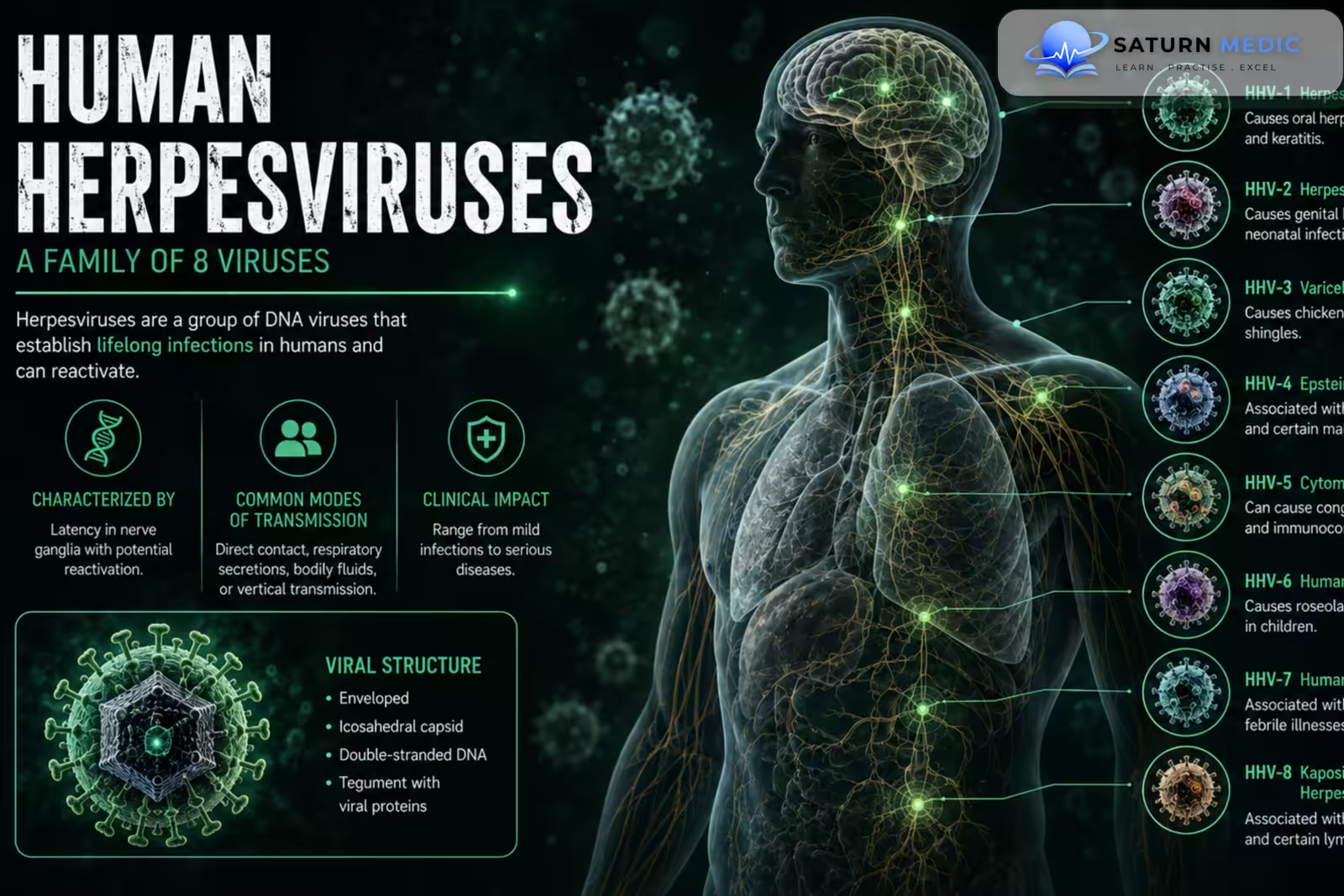
The 8 Human Herpesviruses
Virology · The 8 Human Herpesviruses
| HHV | Unique hallmark | Latency site | Antiviral | Key malignancy / complication |
|---|---|---|---|---|
| HSV-1 | Temporal lobe encephalitis — PCR on CSF diagnostic | Trigeminal ganglion | Aciclovir IV (high dose) | Encephalitis — 70% mortality without treatment |
| HSV-2 | Neonatal herpes — C-section if active lesions at delivery | Sacral ganglia S2–S4 | Aciclovir / Valaciclovir | Neonatal disseminated HSV — fatal if untreated |
| VZV | All stages of rash simultaneously (macules + papules + vesicles + crusts) | Dorsal root ganglia | Valaciclovir within 72h (shingles) | Ramsay Hunt — facial palsy + ear vesicles + vertigo |
| EBV | Atypical lymphocytes (Downey cells) + monospot + amoxicillin rash | Memory B-cells (CD21) | None — supportive only | Burkitt's t(8;14), Hodgkin's, nasopharyngeal ca, PTLD |
| CMV | "Pizza pie" retinitis (CD4 <50). Congenital: blueberry muffin rash + periventricular calcification | Monocytes / myeloid | Ganciclovir IV → Valganciclovir PO | Most common congenital viral infection. Blindness in AIDS. |
| HHV-6 | Roseola — rash appears as fever BREAKS (distinguish from measles — rash with fever) | CD4+ T-cells | Supportive (Ganciclovir if immunocompromised) | Febrile seizures — most common age <2 years |
| HHV-7 | Clinically similar to HHV-6. Uses CD4 receptor (like HIV). Rarely tested. | CD4+ T-cells | Supportive | Pityriasis rosea (association — not confirmed) |
| KSHV | Violaceous lesions — skin, oral mucosa, GI, lung. Any CD4 count in HIV. | B-cells, endothelial | ART → regression. Chemo if disseminated. | Kaposi's sarcoma + Primary effusion lymphoma + Castleman's disease |
History Taking
-Ask about:
- Fever and mucocutaneous lesions
- Neurological or visual symptoms
- Previous similar episodes
- Sexual exposure when relevant
- Pregnancy or neonatal exposure
- Immunosuppression
- Organ transplantation
Physical Examination
-General Examination
- Temperature
- General condition
- Hydration
- Lymphadenopathy
- Signs of systemic illness
-System-Specific Examination:
- Inspect skin and mucous membranes
- Examine oral and genital lesions
- Assess dermatomal rash
- Neurological examination when indicated
- Eye examination when retinitis is suspected
Investigations
-Biochemistry / Specific Tests
-
Viral Polymerase Chain Reaction (PCR)
-
Virus-specific serology
-
Liver function tests when EBV or CMV disease is suspected
-
Cerebrospinal Fluid analysis for suspected Central Nervous System infection
-Special / Confirmatory Tests
PCR can detect viral DNA in cerebrospinal fluid, blood, or lesion specimens. Serology is useful in selected infections, especially EBV and CMV.
Important Investigation Note
Testing should be selected according to the suspected virus and site of infection.
Diagnosis
-Human Herpesviruses are diagnosed clinically and with targeted laboratory testing when required.
Diagnosis is based on:
Characteristic clinical syndrome → identify likely virus → targeted PCR or serology → assess organ involvement
Related Topics
Management
1 Definitive Treatment
Treatment of Human Herpesviruses depends on the virus:
-
HSV: antiviral therapy when indicated
-
VZV: antiviral therapy for selected or severe disease
-
CMV: specific antiviral therapy for significant disease
-
EBV, HHV-6, HHV-7: mainly supportive treatment
-
HHV-8: treatment directed at associated malignancy
2. Medical Treatment
Important antivirals include:
-
Acyclovir
-
Valacyclovir
-
Ganciclovir
-
Valganciclovir
Choice depends on the virus, severity, immune status, and kidney function.
3. Supportive Management
-
Adequate hydration
-
Analgesia and fever control
-
Nutritional support
Complications
- Encephalitis
- Meningitis
- Pneumonitis
- Hepatitis
- Retinitis
- Neonatal infection
- Disseminated infection
- Malignancy
Prognosis
The prognosis of Human Herpesviruses infection varies with the virus, affected organ, and immune status. Most uncomplicated infections are self-limited or manageable. Severe disease in neonates and immunocompromised patients may cause permanent organ damage or death.
Key Points / Clinical Pearls
- Human Herpesviruses are enveloped double-stranded DNA viruses.
- There are eight recognized human herpesviruses.
- HSV-1 commonly causes oral herpes and encephalitis.
- HSV-2 commonly causes genital and neonatal herpes.
- VZV causes varicella and herpes zoster.
- EBV causes Infectious Mononucleosis and is associated with malignancy.
- CMV causes congenital and opportunistic disease.
- HHV-6 is associated with roseola infantum.
- HHV-7 causes less specific disease.
- HHV-8 is associated with Kaposi sarcoma.
- Herpesviruses establish lifelong latency.
- Reactivation is more common with impaired immunity.
- PCR is important for serious disease.
- Acyclovir is important for HSV and VZV.
- Ganciclovir and valganciclovir are important for significant CMV disease.
- National Institutes of Health (NIH). Human Herpesviruses . HIV/AIDS Glossary.
- Whitley RJ. Herpesviruses . Medical Microbiology, NCBI Bookshelf.
- Roizman B, Knipe DM, Whitley RJ. Herpes Simplex Viruses. In: Fields Virology. NCBI Bookshelf .
- Lan K, Luo MH. Herpesviruses: Epidemiology, Pathogenesis, and Interventions. Virol Sin. 2017;32(5):347-348. PubMed .
- Mayo Clinic Proceedings. Human Herpesviruses 6, 7, and 8 From a Dermatologic Perspective . 2012;87(10):1004-1014.
- Centers for Disease Control and Prevention (CDC). Herpes Simplex Virus .
- National Center for Biotechnology Information (NCBI). Human Herpesviruses . Comprehensive reference covering HSV-1, HSV-2, VZV, EBV, CMV, HHV-6, HHV-7, and HHV-8.