

Clinical Subject Page
Cystic fibrosis (CF)
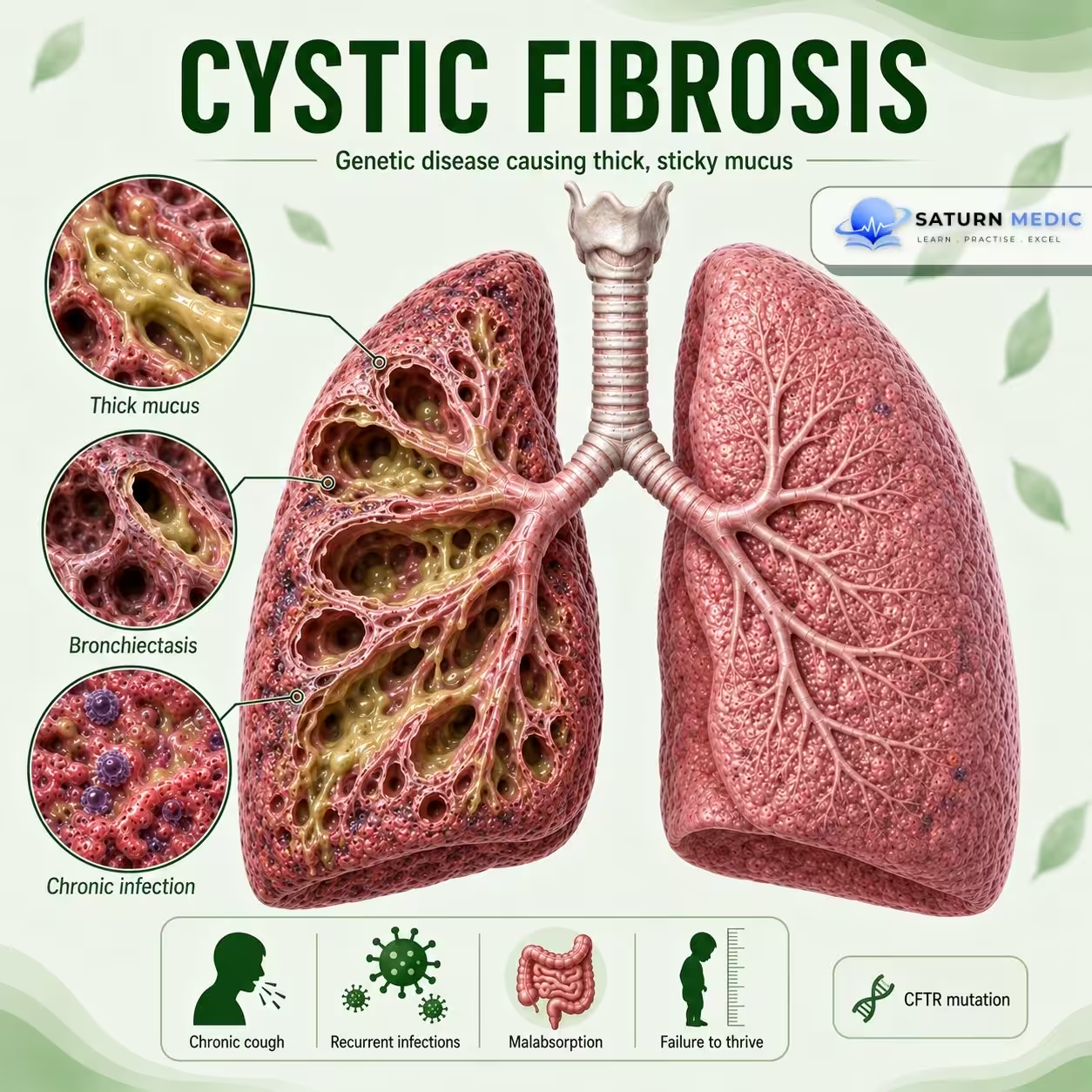
Cystic fibrosis (CF) is an inherited multisystem disease caused by abnormal chloride transport, resulting in thick, sticky secretions, especially in the lungs and digestive system.
Also called
ICD-10
Specialty
Onset
Reviewed
-
OverviewOverview
-
Etiology & Risk FactorsEtiology & Risk Factors
-
PathophysiologyPathophysiology
-
Clinical PresentationClinical Presentation
-
History TakingHistory Taking
-
Physical ExaminationPhysical Examination
-
InvestigationsInvestigations
-
DiagnosisDiagnosis
-
ManagementManagement
-
ComplicationsComplications
-
PrognosisPrognosis
-
Key Points / Clinical PearlsKey Points / Clinical Pearls
Overview
Cystic fibrosis mainly affects the:
- Lungs
- Pancreas
- Gastrointestinal tract
- Sinuses
- Reproductive system
- Sweat glands
Abnormally thick mucus causes airway obstruction, recurrent lung infections, and progressive lung damage.
Etiology & Risk Factors
-Cause:
Cystic fibrosis is caused by mutations in the CFTR gene.
-Inheritance
- Autosomal recessive
- Both parents usually carry one abnormal CFTR gene
-Common Mutation
F508del is the most common CFTR mutation.
-Risk Factors
- Family history of cystic fibrosis
- Sibling with cystic fibrosis
- Parents who are CFTR mutation carriers
Pathophysiology
CFTR gene mutation
⬇
Abnormal chloride and bicarbonate transport
⬇
Reduced water movement into secretions
⬇
Thick, dehydrated mucus
⬇
Impaired mucus clearance
⬇
Airway obstruction + Bacterial infection
⬇
Chronic inflammation
⬇
Bronchiectasis and progressive lung damage
Other Organs
Thick pancreatic secretions
→ Duct obstruction
→ Pancreatic insufficiency
→ Malabsorption
Abnormal sweat gland function
→ Increased salt loss in sweat
Clinical Presentation
-Respiratory Features
Chronic cough
Persistent sputum production
Recurrent chest infections
Wheezing
Dyspnea
Bronchiectasis
Hemoptysis
-Gastrointestinal Features
Poor weight gain
Malabsorption
Steatorrhea
Abdominal symptoms
Pancreatic insufficiency
-Other Features
Salty-tasting skin
Chronic sinusitis
Nasal polyps
Digital clubbing
Male infertility
-In Newborns
Meconium ileus
Failure to thrive
History Taking
- Chronic cough?
- Daily sputum?
- Recurrent chest infections?
- Wheezing or dyspnea?
- Previous bronchiectasis?
- Poor weight gain?
- Greasy or bulky stools?
- Abdominal symptoms?
- Chronic sinus problems?
- Nasal polyps?
- Salty-tasting skin?
Physical Examination
-General Examination
Look for:
- Low body weight
- Poor growth
- Digital clubbing
- Cyanosis in advanced disease
- Respiratory distress
-Chest Examination
- Coarse crackles
- Wheezing
- Reduced air entry in advanced disease
-Other Findings
- Nasal polyps
- Signs of malnutrition
- Abdominal distension
- Signs of chronic liver disease in advanced cases
Investigations
-Sweat Chloride Test — Key Test
Measures the chloride concentration in sweat.
An elevated sweat chloride level supports the diagnosis.
-CFTR Genetic Testing
Used to:
Identify CFTR mutations
Confirm the diagnosis
Determine eligibility for CFTR modulator therapy
-Newborn Screening
May detect cystic fibrosis before symptoms develop.
-Respiratory Tests
Sputum culture
Pulmonary function tests
Chest X-ray
CT chest
-Other Tests
Pancreatic function testing
Nutritional assessment
Blood glucose monitoring
Liver function tests
Diagnosis
-Diagnosis is based on:
1. Clinical Features or Positive Newborn Screening
Together with:
2. Evidence of CFTR Dysfunction
Demonstrated by:
- Abnormal sweat chloride testing
- CF-causing CFTR mutations
- Specialized CFTR functional testing when needed
Important Note
The sweat chloride test is the main diagnostic test for cystic fibrosis.
Related Topics
Management
Cystic Fibrosis · Treatment
| Treatment Category | Drug / Intervention | Notes |
|---|---|---|
| CFTR Modulator — Triple Combination | Elexacaftor / Tezacaftor / Ivacaftor (ETI, Kaftrio/Trikafta) | For F508del (at least one copy, ~90% of patients). Most effective modulator available — dramatic improvement in FEV1, quality of life, and exacerbation rate. Now first-line where eligible. |
| CFTR Modulator — Potentiator | Ivacaftor (Kalydeco) | For gating mutations (G551D and others). Opens dysfunctional CFTR channels. Not effective for F508del alone. |
| CFTR Modulator — Dual | Lumacaftor / Ivacaftor (Orkambi) or Tezacaftor / Ivacaftor (Symkevi) | For homozygous F508del if ETI not yet available or tolerated. Less effective than ETI. |
| Mucociliary Clearance | Dornase alfa (DNase) inhaled daily — Hypertonic saline 7% inhaled | Dornase alfa cleaves extracellular DNA, reducing sputum viscosity. Hypertonic saline hydrates airway surface. Use bronchodilator first, then mucolytic, then physiotherapy. |
| Chronic Antibiotic Suppression | Inhaled tobramycin alternating months — Inhaled aztreonam — Oral azithromycin (3x/week) | Targets chronic Pseudomonas colonisation. Azithromycin has anti-inflammatory properties independent of antimicrobial effect. Alternate-month inhaled regimens reduce resistance. |
| Acute Pulmonary Exacerbation | IV antipseudomonal antibiotics (e.g. piperacillin-tazobactam + tobramycin or meropenem) | Based on most recent sputum sensitivities. IV for moderate-severe exacerbations; oral for mild. Minimum 14-day course. Intensify airway clearance throughout. |
| Pancreatic Enzyme Replacement | Creon (pancrelipase) with every meal and snack | 85% of CF patients have exocrine pancreatic insufficiency. Titrated by stool consistency and fat malabsorption symptoms. Essential for caloric absorption. |
| Vitamin Supplementation | Fat-soluble vitamins A, D, E, K daily | Malabsorbed due to pancreatic insufficiency and bile salt abnormalities. Especially important for bone health (vitamin D/K) and infection risk (vitamin A/E). |
| CF-Related Diabetes (CFRD) | Insulin (preferred over oral agents) | CFRD affects ~50% of adults. Unique — combined insulin deficiency + resistance. Insulin anabolism also helps maintain weight. Annual OGTT screening from age 10. |
| Bronchodilators | Inhaled SABA (salbutamol) before airway clearance | Used to pre-treat before physiotherapy/inhaled therapies; improves tolerance and delivery of subsequent treatments. |
| Lung Transplantation | Bilateral lung transplant | Definitive treatment for end-stage CF lung disease. Consider referral when FEV1 <30% predicted or rapid decline. Does not cure systemic CF manifestations. |
Complications
- Bronchiectasis
- Recurrent pulmonary infections
- Respiratory failure
- Hemoptysis
- Pneumothorax
- Pancreatic insufficiency
- Malnutrition
- Cystic fibrosis-related diabetes
- Liver disease
- Osteoporosis
- Infertility
- Death
Prognosis
- Cystic fibrosis is a chronic progressive disease, but survival has improved greatly with modern treatment.
- Prognosis depends mainly on:
- Severity of lung disease
- CFTR mutation
- Frequency of pulmonary exacerbations
- Nutritional status
- Presence of complications
- Early diagnosis and specialized multidisciplinary care improve outcomes.
- CFTR modulator therapy has significantly improved outcomes for many eligible patients.
Key Points / Clinical Pearls
- Cystic fibrosis is an autosomal recessive disease caused by CFTR mutations.
- Thick secretions affect multiple organs, especially the lungs and pancreas.
- Chronic cough and recurrent respiratory infections are common.
- Pancreatic insufficiency causes malabsorption and poor growth.
- The sweat chloride test is the key diagnostic test.
- Respiratory cultures guide antibiotic therapy.
- Airway clearance is a cornerstone of treatment.
- Pancreatic enzymes and nutritional support are essential in pancreatic insufficiency.
- National Center for Biotechnology Information (NIH). Cystic Fibrosis, StatPearls.
- MedlinePlus, National Library of Medicine (NIH). Cystic Fibrosis: Health Topic.
- Egan ME. Cystic Fibrosis Transmembrane Conductance Regulator Modulator Therapy in Cystic Fibrosis, an Update. Curr Opin Pediatr. 2020. PMID: 32374578.
- Lopes-Pacheco M. CFTR Modulators: Shedding Light on Precision Medicine for Cystic Fibrosis. PMC6398332.
- National Center for Biotechnology Information (NIH). Bronchiectasis, StatPearls.