
Clinical Subject Page

Male Infertilty
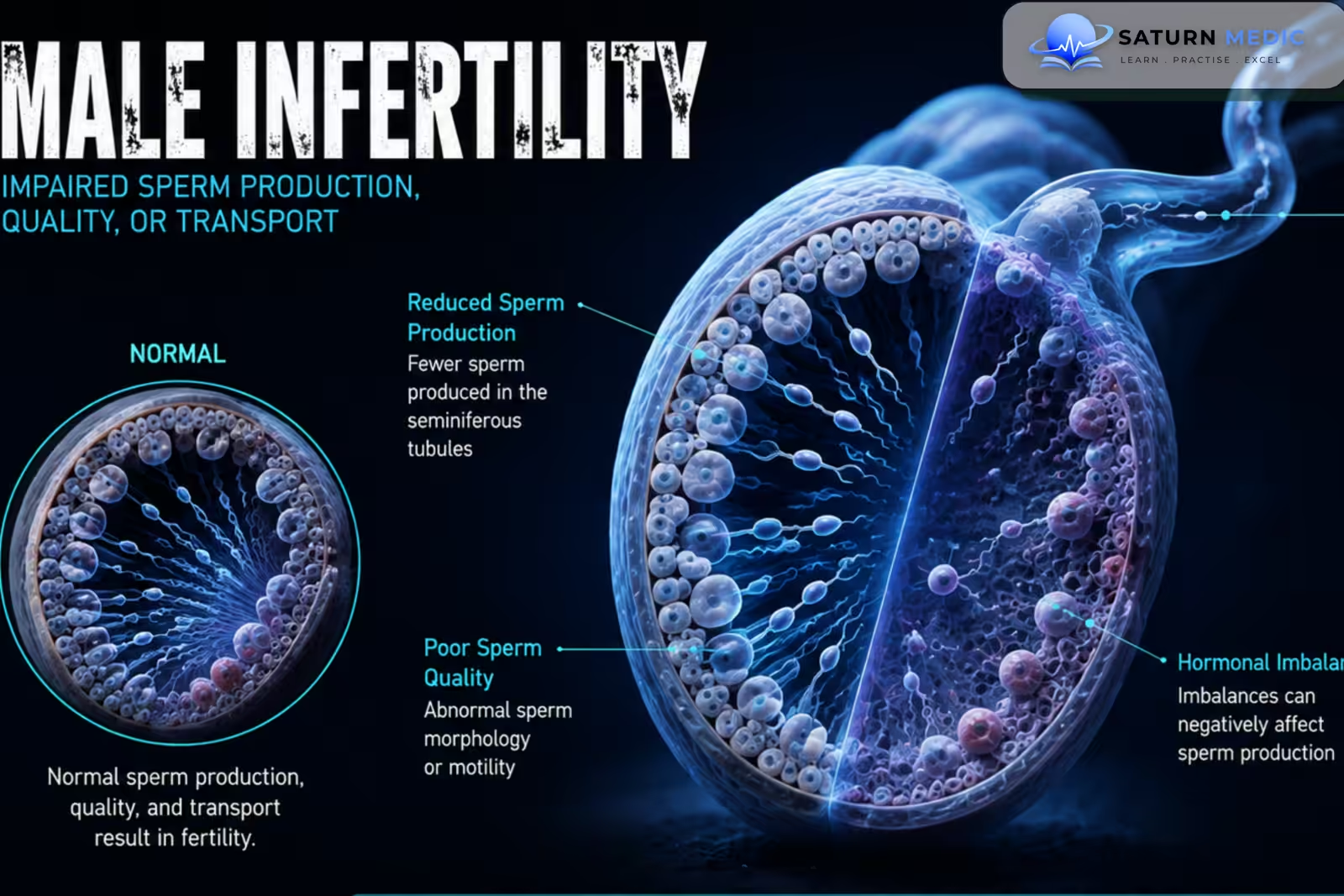
Male Infertility is the inability of a male partner to contribute to conception after a period of regular unprotected sexual intercourse. It may result from abnormalities in sperm production, sperm transport, sexual or ejaculatory function, hormonal disorders, genetic conditions, or other medical and environmental factors
Also called
ICD-10
Specialty
Onset
Reviewed
-
OverviewOverview
-
Etiology & Risk FactorsEtiology & Risk Factors
-
PathophysiologyPathophysiology
-
Clinical PresentationClinical Presentation
-
History TakingHistory Taking
-
Physical ExaminationPhysical Examination
-
InvestigationsInvestigations
-
DiagnosisDiagnosis
-
ManagementManagement
-
ComplicationsComplications
-
PrognosisPrognosis
-
Key Points / Clinical PearlsKey Points / Clinical Pearls
Overview
-Male Infertility is a common contributor to infertility in couples and may occur alone or together with female-factor infertility.
-Major categories include:
- Pre-testicular: hormonal or endocrine disorders affecting spermatogenesis
- Testicular: impaired sperm production within the testes
- Post-testicular: obstruction or dysfunction affecting sperm transport or ejaculation
- Sexual or ejaculatory dysfunction: impaired delivery of sperm
-Common abnormalities include:
- Low sperm concentration
- Reduced sperm motility
- Abnormal sperm morphology
- Absence of sperm from the ejaculate
Etiology & Risk Factors
-Etiology
–Major causes include:
- Varicocele
- Primary testicular dysfunction
- Hormonal disorders
- Genetic abnormalities
- Obstruction of the reproductive tract
- Erectile or ejaculatory dysfunction
- Medications and gonadotoxic exposures
- Unexplained infertility
-Risk Factors
- Varicocele
- Previous testicular injury or surgery
- Cryptorchidism
- Sexually transmitted or reproductive tract infections
- Testosterone or anabolic steroid use
- Smoking and significant alcohol or recreational drug use
- Exposure to heat or gonadotoxic substances
Pathophysiology
Pre-testicular, testicular, or post-testicular abnormality → impaired spermatogenesis or sperm transport → reduced sperm number, motility, or function → reduced ability to fertilize the ovum → Male Infertility
Clinical Presentation
–Symptoms
-
Male Infertility is often asymptomatic.
Possible associated features include:
- Difficulty achieving conception
- Reduced libido
- Erectile Dysfunction (ED)
- Ejaculatory dysfunction
- Reduced ejaculate volume
- Scrotal discomfort
- Symptoms of hormonal dysfunction
-Signs:
-
Possible findings include:
- Varicocele
- Small or abnormal testes
- Absent vas deferens
- Epididymal abnormalities
- Signs of hypogonadism
- Penile abnormalities
History Taking
-Ask about:
- Duration of unsuccessful attempts at conception
- Frequency and timing of intercourse
- Previous pregnancies
- Erectile and ejaculatory function
- Libido
- Childhood cryptorchidism
- Testicular trauma
- Testicular torsion
- Previous pelvic, inguinal, or scrotal surgery
- Sexually transmitted infections
- Mumps orchitis
- Current and previous medications
- Testosterone or anabolic steroid use
Physical Examination
-General Examination
- Body habitus
- Secondary sexual characteristics
- Features of hypogonadism or endocrine disease
-System-Specific Examination:
- Testicular size and consistency
- Presence of Varicocele
- Epididymal abnormalities
- Presence or absence of the vas deferens
- Penile abnormalities
Investigations
Biochemistry / Specific Tests
Semen Analysis
This is the first-line investigation.
It assesses:
-
Semen volume
-
Sperm concentration
-
Total sperm number
-
Sperm motility
-
Sperm morphology
An abnormal result should generally be repeated to confirm persistent abnormalities.
-Hormonal Testing
Performed when indicated:
-
Follicle-stimulating hormone (FSH)
-
Luteinizing hormone (LH)
-
Morning total testosterone
-
Prolactin when clinically indicated
-Imaging
-
Scrotal ultrasound when examination findings are uncertain or a testicular abnormality is suspected
-
Transrectal ultrasound in selected patients with suspected ejaculatory duct obstruction
-Special / Confirmatory Tests
Depending on the clinical findings:
-
Genetic testing, including karyotype
-
Y-chromosome microdeletion testing
-
CFTR mutation testing in congenital bilateral absence of the vas deferens
-
Post-ejaculatory urinalysis when retrograde ejaculation is suspected
-
Testicular biopsy or sperm retrieval in selected patients with azoospermia
Diagnosis
Diagnosis is based on:
Failure to achieve conception + abnormal semen parameters and/or an identified male reproductive abnormality.
-The diagnostic approach includes:
- Confirming infertility history
- Semen analysis, usually repeated if abnormal
- Focused hormonal testing when indicated
- Examination for Varicocele, testicular abnormalities, and obstruction
- Genetic or specialized testing in severe sperm abnormalities or azoospermia
Management
1. Definitive Treatment
Treatment targets the underlying cause when identifiable:
-
Varicocele repair in selected patients
-
Treatment of endocrine disorders
-
Relief of reproductive tract obstruction when possible
-
Treatment of sexual or ejaculatory dysfunction
-
Assisted reproductive techniques when required
2. Medical Treatment
Depending on the cause:
-
Gonadotropin therapy for selected hypogonadotropic hypogonadism
-
Dopamine agonists for hyperprolactinemia
-
Treatment of underlying endocrine disorders
Testosterone therapy should not be used to treat Male Infertility when fertility is desired because it can suppress spermatogenesis.
3. Surgical / Procedural Treatment
Selected options include:
-
Varicocelectomy
-
Vasectomy reversal
-
Repair of selected reproductive tract obstruction
-
Surgical sperm retrieval
4. Supportive Management
-
Smoking cessation
-
Avoid testosterone and anabolic steroids when fertility is desired
-
Reduce excessive alcohol and recreational drug use
-
Maintain a healthy body weight
-
Avoid excessive testicular heat exposure
Complications
- Persistent infertility
- Psychological distress
- Anxiety
- Depression
- Relationship difficulties
- Reduced quality of life
- Complications related to underlying genetic or hormonal disorders
Prognosis
The prognosis depends on the underlying cause and severity of sperm abnormalities. Many reversible causes can be treated, and modern assisted reproductive techniques allow biological parenthood for many men with severe infertility. Outcomes depend on both male and female factors, particularly female partner age and reproductive health.
Key Points / Clinical Pearls
- Male Infertility may result from impaired sperm production, transport, hormonal dysfunction, or sexual dysfunction.
- It is often asymptomatic.
- Semen analysis is the first-line investigation.
- An abnormal semen analysis should generally be confirmed with repeat testing.
- Varicocele is an important potentially correctable cause.
- Azoospermia means no sperm are present in the ejaculate.
- Hormonal testing is indicated when endocrine dysfunction is suspected.
- Physical examination should assess testicular size, Varicocele, and the vas deferens.
- Genetic testing is important in selected men with azoospermia or severe sperm abnormalities.
- Varicocele repair may improve fertility in appropriately selected patients.
- Hormonal therapy is useful for specific endocrine causes.
- Testosterone therapy can suppress spermatogenesis and should not be used when fertility is desired.
- European Association of Urology (EAU). EAU Guidelines on Sexual and Reproductive Health .
- American Urological Association (AUA) and American Society for Reproductive Medicine (ASRM). Diagnosis and Treatment of Infertility in Men: AUA/ASRM Guideline .
- World Health Organization (WHO). WHO Laboratory Manual for the Examination and Processing of Human Semen . 6th ed.
- Agarwal A, Mulgund A, Hamada A, Chyatte MR. A Unique View on Male Infertility Around the Globe. Reprod Biol Endocrinol. 2015;13:37. Reproductive Biology and Endocrinology .
- Barratt CLR, Björndahl L, De Jonge CJ, et al. The Diagnosis of Male Infertility: An Analysis of the Evidence to Support the Development of Global WHO Guidance—Challenges and Future Research Opportunities. Hum Reprod Update. 2017;23(6):660-680. Human Reproduction Update .
- National Library of Medicine (NIH). Male Infertility . StatPearls.