

Clinical Subject Page
Diabetic Neuropathy
Diabetic Neuropathy is a group of nerve disorders caused by chronic diabetes-associated metabolic and vascular injury to peripheral and autonomic nerves. The most common form is distal symmetric polyneuropathy, which typically affects the feet and progresses proximally
Also called
ICD-10
Specialty
Onset
Reviewed
-
OverviewOverview
-
Etiology & Risk FactorsEtiology & Risk Factors
-
PathophysiologyPathophysiology
-
Clinical PresentationClinical Presentation
-
History TakingHistory Taking
-
Physical ExaminationPhysical Examination
-
InvestigationsInvestigations
-
DiagnosisDiagnosis
-
ManagementManagement
-
ComplicationsComplications
-
PrognosisPrognosis
-
Key Points / Clinical PearlsKey Points / Clinical Pearls
Overview
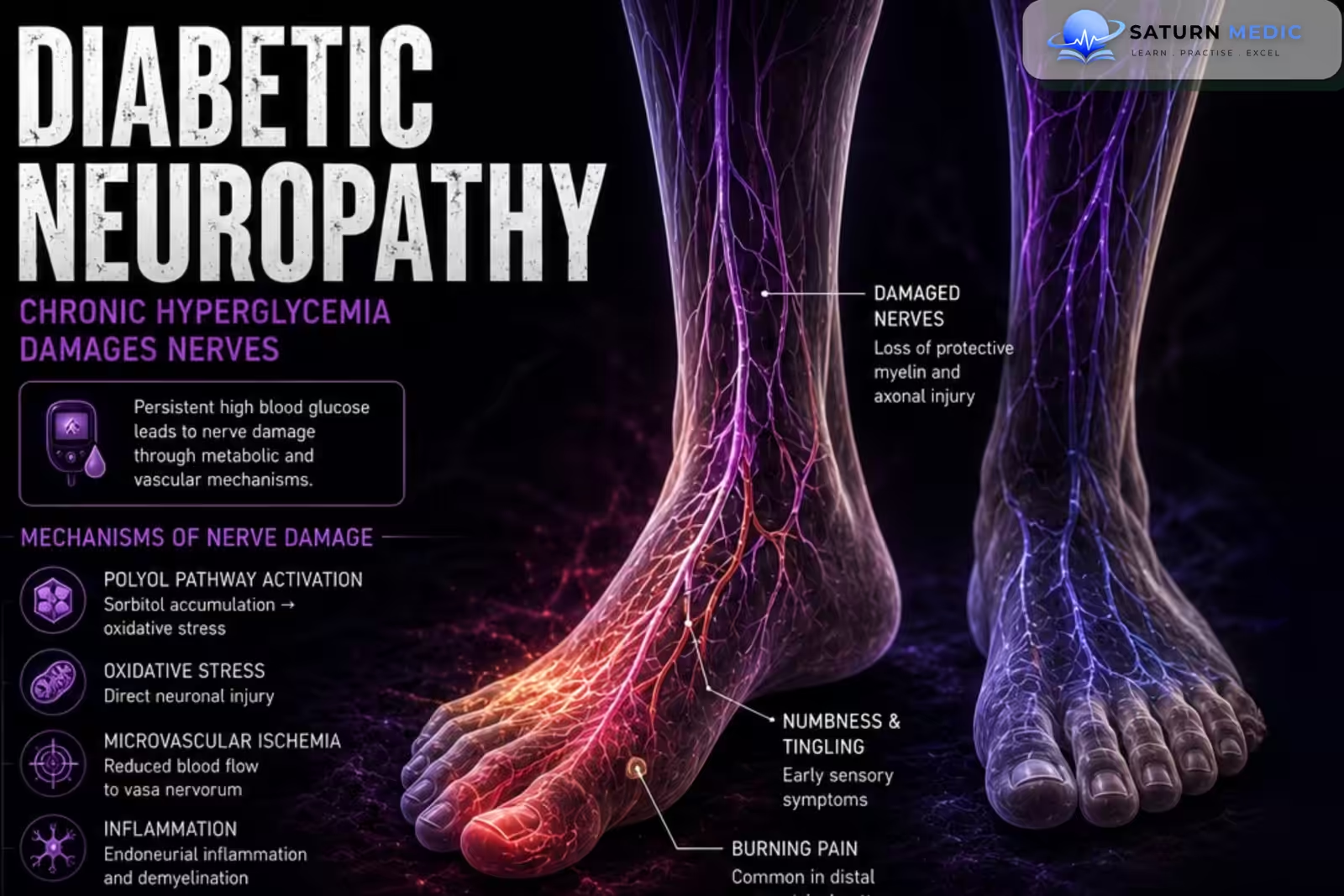
- Diabetic neuropathy is a common chronic complication of diabetes. Persistent hyperglycemia causes metabolic abnormalities, oxidative stress, and microvascular injury that damage nerves.
- The most common presentation is length-dependent distal symmetric polyneuropathy, producing numbness, burning pain, tingling, and loss of protective sensation in the feet.
- Autonomic neuropathy may affect the cardiovascular, gastrointestinal, genitourinary, and sudomotor systems.
Etiology & Risk Factors
–Etiology:
The main underlying factors for Diabetic Neuropathy are:
- Chronic hyperglycemia
- Oxidative stress
- Advanced glycation end products
- Microvascular dysfunction
- Abnormal polyol pathway activity
- Inflammation
- Nerve ischemia
These mechanisms progressively damage peripheral and autonomic nerves.
-Risk Factors for Diabetic Neuropathy
- Long duration of diabetes
- Poor glycemic control
- Older age
- Obesity
- Hypertension
- Dyslipidemia
- Smoking
- Chronic kidney disease
- Peripheral vascular disease
Pathophysiology
Chronic hyperglycemia → metabolic dysfunction + oxidative stress + advanced glycation → microvascular injury and impaired nerve blood supply → axonal and Schwann-cell injury → peripheral nerve dysfunction → sensory loss, pain, weakness, and/or autonomic dysfunction
Clinical Presentation
–Symptoms
Sensory symptoms
- Numbness
- Tingling
- Burning sensation
- Pins and needles
- Electric-shock-like pain
- Shooting pain
- Increased sensitivity to touch
- Pain from normally non-painful stimuli
-Motor symptoms
- Muscle weakness
- Muscle wasting
- Difficulty walking
- Loss of balance
-Autonomic symptoms
- Depending on the affected system:
Cardiovascular:
- Resting tachycardia
- Exercise intolerance
- Orthostatic hypotension
Gastrointestinal:
- Gastroparesis
- Early satiety
- Nausea & Vomiting
- Bloating
- Diarrhea or constipation
Genitourinary:
- Erectile dysfunction
- Bladder dysfunction
- Urinary retention
Sudomotor:
- Reduced sweating
- Abnormal sweating
- Dry skin
-Signs:
- Reduced vibration sensation
- Reduced pinprick sensation
- Reduced temperature sensation
- Reduced proprioception in advanced disease
- Reduced or absent ankle reflexes
History Taking
-Ask about:
- Duration and type of diabetes
- Glycemic control
- Numbness
- Tingling
- Burning pain
- Electric-shock-like pain
- Sensitivity to touch
- Loss of temperature sensation
- Balance problems
- Previous amputation
- Foot deformities
Physical Examination
–General Examination
- Blood pressure
- Heart rate
- Body mass index
- Orthostatic blood pressure when indicated
-System-Specific Examination:
-Neurological Examination
- Assess:
- Light touch
- Pinprick
- Temperature
- Vibration
–Diabetic Foot Examination
- Inspect for:
- Ulcers
- Calluses
- Fissures
- Skin changes
- Infection
Assess:
- Peripheral pulses
- Skin temperature
- Capillary refill
- Protective sensation using a 10-g monofilament
Investigations
-Biochemistry / Specific Tests
Important tests may include:
- HbA1c
- Fasting glucose
- Renal function
- Electrolytes
- Vitamin B12
- Thyroid-stimulating hormone
- Serum protein electrophoresis when indicated
- Folate when clinically indicated
- Additional tests depend on the pattern and suspected alternative causes.
-Special / Confirmatory Tests
- Nerve Conduction Studies and Electromyography
- May be used when:
- The diagnosis is uncertain
- Symptoms are atypical
- Neuropathy is asymmetric
- There is significant motor involvement
- Another neuropathy is suspected
- Typical diabetic polyneuropathy demonstrates abnormalities of peripheral nerve conduction.
Diagnosis
-Diabetic neuropathy is diagnosed primarily through:
- History
- Neurological examination
- Diabetic history
- Assessment of sensory and protective function
Typical distal symmetric polyneuropathy presents with:
- Bilateral distal sensory symptoms
- Stocking distribution
- Reduced vibration or pinprick sensation
- Reduced ankle reflexes
- Loss of protective sensation
Alternative causes should be excluded when the presentation is atypical.
Management
1. Definitive Treatment for Diabetic Neuropathy
Management focuses on:
- Optimizing glycemic control
- Preventing further nerve injury
- Treating neuropathic pain
- Preventing diabetic foot complications
- Managing autonomic dysfunction
- Treating modifiable risk factors
2. Medical Treatment
-Neuropathic Pain
Common first-line options include:
Serotonin-Norepinephrine Reuptake Inhibitors (SNRIs):
-Duloxetine
Gabapentinoids:
- Pregabalin
- Gabapentin
Tricyclic Antidepressants (TCAs):
- Amitriptyline
Treatment should be individualized according to age, renal function, comorbidities, adverse effects, and drug interactions.
3. Surgical / Procedural Treatment
There is no routine surgery for diabetic polyneuropathy itself.
Procedures may be required for complications such as:
- Severe diabetic foot infection
- Osteomyelitis
- Advanced Charcot deformity
- Non-healing ulcers
- Critical limb ischemia
4. Supportive Management
- Optimize glycemic control
- Control blood pressure
- Manage dyslipidemia
- Smoking cessation
- Regular foot inspection
- Proper footwear
- Avoid walking barefoot
Complications
- Chronic neuropathic pain
- Loss of protective sensation
- Diabetic foot ulcers
- Recurrent foot injuries
- Infection
- Osteomyelitis
- Charcot neuroarthropathy
- Gastroparesis
- Constipation or diarrhea
- Bladder dysfunction
Prognosis
Diabetic neuropathy is usually chronic and progressive, although good glycemic and cardiovascular risk-factor control can reduce the risk of progression.
Pain may be controlled with appropriate treatment, but established nerve damage may be only partially reversible.
Prognosis is strongly influenced by:
- Duration of diabetes
- Glycemic control
- Cardiovascular risk factors
- Renal disease
- Smoking
- Foot-care practices
Key Points / Clinical Pearls
- Diabetic neuropathy is a common neurological complication of diabetes.
- The most common form is distal symmetric diabetic polyneuropathy.
- It usually begins in the feet and follows a stocking distribution.
- Chronic hyperglycemia causes metabolic, oxidative, and microvascular nerve injury.
- Common symptoms include burning pain, tingling, numbness, and altered sensation.
- Loss of protective sensation greatly increases the risk of diabetic foot ulcers.
- Examination should include vibration, pinprick, reflexes, and 10-g monofilament testing.
- Typical diabetic neuropathy is primarily a clinical diagnosis.
- Always consider alternative causes such as vitamin B12 deficiency, thyroid disease, alcohol-related neuropathy, and other neurological disorders.
- American Diabetes Association Professional Practice Committee. 12. Retinopathy, Neuropathy, and Foot Care: Standards of Care in Diabetes—2026. Diabetes Care. 2026;49(Suppl 1). Diabetes Care .
- Flaxel CJ, Adelman RA, Bailey ST, et al. Diabetic Retinopathy Preferred Practice Pattern®. Ophthalmology. 2020;127(1):P66-P145. American Academy of Ophthalmology .
- Wong TY, Cheung CMG, Larsen M, Sharma S, Simó R. Diabetic Retinopathy. Nat Rev Dis Primers. 2016;2:16012. Nature Reviews Disease Primers .
- Solomon SD, Chew E, Duh EJ, et al. Diabetic Retinopathy: A Position Statement by the American Diabetes Association. Diabetes Care. 2017;40(3):412-418. Diabetes Care .
- National Eye Institute (NIH). Diabetic Retinopathy . National Institutes of Health.
- National Institute of Diabetes and Digestive and Kidney Diseases (NIDDK). Diabetic Eye Disease . National Institutes of Health.