

Clinical Subject Page
Type 2 Diabetes Mellitus (T2DM)
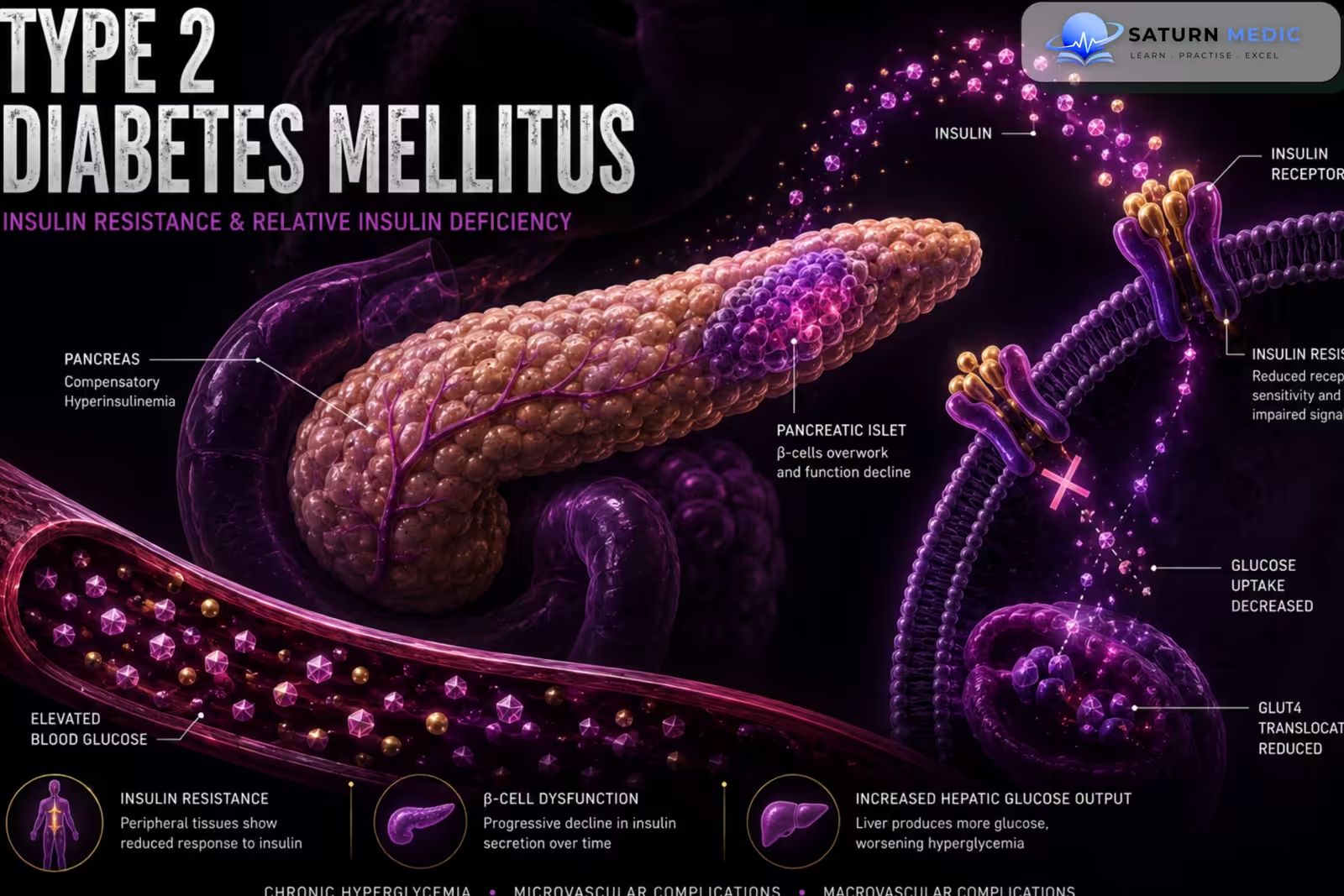
Type 2 Diabetes Mellitus (T2DM) is a chronic metabolic disorder characterized by insulin resistance and progressive pancreatic beta-cell dysfunction, resulting in persistent hyperglycemia
Also called
ICD-10
Specialty
Onset
Reviewed
-
OverviewOverview
-
Etiology & Risk FactorsEtiology & Risk Factors
-
PathophysiologyPathophysiology
-
Clinical PresentationClinical Presentation
-
History TakingHistory Taking
-
Physical ExaminationPhysical Examination
-
InvestigationsInvestigations
-
DiagnosisDiagnosis
-
ManagementManagement
-
ComplicationsComplications
-
PrognosisPrognosis
-
Key Points / Clinical PearlsKey Points / Clinical Pearls
Overview
- Type 2 Diabetes Mellitus (T2DM) is the most common form of diabetes. It develops when body tissues become resistant to insulin and the pancreatic beta cells progressively fail to produce sufficient insulin.
- It is strongly associated with overweight/obesity, physical inactivity, family history, and increasing age, although it can occur in younger people.
Etiology & Risk Factors
-Etiology:
Type 2 Diabetes Mellitus (T2DM) results from a combination of:
- Insulin resistance
- Progressive pancreatic beta-cell dysfunction
- Inappropriate hepatic glucose production
- Genetic susceptibility
- Environmental and lifestyle factors
-Insulin resistance commonly affects:
- Skeletal muscle
- Liver
- Adipose tissue
-Inheritance
Type 2 Diabetes Mellitus has a strong genetic component, but it does not follow a simple Mendelian inheritance pattern.
-Family history substantially increases risk.
-Risk Factors
- Overweight or obesity
- Central obesity
- Physical inactivity
- Family history of Type 2 Diabetes Mellitus (T2DM)
- Increasing age
- History of gestational diabetes
- Previous prediabetes
- Hypertension
- Dyslipidemia
- Cardiovascular disease
- Polycystic ovary syndrome
Pathophysiology
Genetic susceptibility + environmental factors → autoimmune activation → pancreatic beta-cell destruction → progressive loss of insulin secretion → absolute insulin deficiency → decreased peripheral glucose uptake + increased hepatic glucose production → hyperglycemia → increased lipolysis → ketone production → risk of diabetic ketoacidosis
Clinical Presentation
-Symptoms
Many patients are initially asymptomatic.
-When symptoms occur:
- Polyuria
- Polydipsia
- Increased hunger
- Fatigue
- Blurred vision
- Unintentional weight loss
- Recurrent infections
- Pruritus, particularly genital itching
- Slow wound healing
- Recurrent urinary or skin infections
- Numbness or tingling in the extremities
-Signs
- Overweight or obesity
- Central adiposity
- Hypertension
- Acanthosis nigricans
- Reduced peripheral pulses in peripheral arterial disease
- Visual abnormalities due to diabetic retinopathy
-Severe Disease
Poorly controlled Type 2 Diabetes Mellitus (T2DM) can lead to:
- Hyperosmolar hyperglycemic state (HHS)
- Severe dehydration
- Electrolyte abnormalities
History Taking
-Ask about:
- Polyuria
- Polydipsia
- Polyphagia
- Weight change
- Fatigue
- Blurred vision
- Recurrent infections
- Slow wound healing
- Foot pain or ulcers
- Symptoms of cardiovascular disease
- Symptoms of peripheral arterial disease
- Symptoms of kidney disease
- Previous gestational diabetes
- Family history of diabetes
Physical Examination
-General Examination
- Weight
- Body mass index
- Waist circumference
- Blood pressure
- Hydration status
- General nutritional status
Look for:
- Central obesity
- Acanthosis nigricans
- Skin tags
- Evidence of infection
System-Specific Examination
-Cardiovascular:
- Blood pressure
- Peripheral pulses
- Signs of coronary artery disease
- Signs of heart failure
Neurological:
- Peripheral sensation
- Vibration and proprioception when appropriate
- Reflexes
- Assessment for diabetic peripheral neuropathy
Feet:
- Skin integrity
- Ulcers
- Calluses
- Deformities
- Peripheral pulses
- Monofilament sensation
- Evidence of infection
-Eyes:
- Visual acuity
- Retinal examination for diabetic retinopathy
Investigations
-Biochemistry / Specific Tests
-Fasting Plasma Glucose
- ≥126 mg/dL (7.0 mmol/L) is diagnostic of diabetes when confirmed appropriately.
–HbA1c
- ≥6.5% is diagnostic of diabetes when measured using an appropriate standardized laboratory method.
- Reflects average glycemic exposure over approximately 2–3 months.
–A 2-hour plasma glucose level of:
- ≥200 mg/dL (11.1 mmol/L) after a 75-g oral glucose load indicates diabetes.
-Random Plasma Glucose
- ≥200 mg/dL (11.1 mmol/L) in a patient with classic symptoms of hyperglycemia or hyperglycemic crisis supports the diagnosis.
–Additional investigations
- Serum creatinine and estimated glomerular filtration rate
- Urine albumin-to-creatinine ratio
- Lipid profile
- Liver function tests
- Electrolytes
- Ketones when clinically indicated
Diagnosis
Type 2 Diabetes Mellitus (T2DM) is diagnosed using accepted biochemical criteria for diabetes.
The diagnosis is supported by:
- Elevated fasting plasma glucose
- Elevated HbA1c
- Abnormal oral glucose tolerance test
- Or markedly elevated random plasma glucose with classic symptoms
The clinical context helps distinguish Type 2 Diabetes Mellitus (T2DM) from Type 1 Diabetes Mellitus, monogenic diabetes, secondary diabetes, and other causes of hyperglycemia.
Management
1. First-Line / Emergency Management
For stable patients:
- Confirm diagnosis and assess cardiovascular and renal risk.
- Begin lifestyle intervention.
- Start glucose-lowering medication when indicated.
For severe hyperglycemia or hyperosmolar hyperglycemic state (HHS):
- Urgent hospital management
- Intravenous fluids
- Electrolyte correction
- Insulin when indicated
- Identification and treatment of the precipitating cause
- Close monitoring
2. Definitive Treatment
Management aims to achieve:
- Individualized glycemic targets
- Healthy body weight
- Blood pressure control
- Lipid control
- Cardiovascular risk reduction
- Prevention of microvascular complications
3. Medical Treatment
Metformin
- Common first-line glucose-lowering medication.
- Reduces hepatic glucose production.
- Particularly useful when there are no contraindications.
Sodium-Glucose Cotransporter-2 (SGLT2) Inhibitors
Examples:
- Empagliflozin
- Dapagliflozin
Particularly useful in appropriate patients with:
- Heart failure
- Chronic kidney disease
- Increased cardiovascular risk
Glucagon-Like Peptide-1 (GLP-1) Receptor Agonists
Examples:
- Semaglutide
- Dulaglutide
- Liraglutide
Useful for:
- Glycemic control
- Weight reduction
- Cardiovascular risk reduction in appropriate patients
Dual Glucose-Dependent Insulinotropic Polypeptide/GLP-1 Receptor Agonist
- Tirzepatide
Provides potent glucose-lowering and weight-loss effects and may be appropriate for selected patients.
Sulfonylureas
Examples:
- Gliclazide
- Glimepiride
They increase insulin secretion but can cause:
- Hypoglycemia
- Weight gain
Dipeptidyl Peptidase-4 (DPP-4) Inhibitors
Examples:
- Sitagliptin
- Linagliptin
They provide modest glucose lowering and generally have a low risk of hypoglycemia when used without insulin or sulfonylureas.
Thiazolidinediones
- Pioglitazone
Improves insulin sensitivity but may cause weight gain and fluid retention.
Insulin
May be required when:
- Severe symptomatic hyperglycemia is present
- There is marked catabolism or weight loss
- Oral/non-insulin therapies are insufficient
- Contraindications to other therapies exist
- Acute hyperglycemic emergencies occur
Complications
-Acute Complications:
- Hyperosmolar hyperglycemic state
- Diabetic ketoacidosis
- Hypoglycemia, particularly from insulin or insulin-secretagogue therapy
- Severe dehydration
-Microvascular Complications:
- Diabetic retinopathy
- Diabetic nephropathy
- Diabetic neuropathy
-Macrovascular Complications:
- Coronary artery disease
- Myocardial infarction
- Stroke
- Peripheral arterial disease
Other Complications:
- Diabetic foot ulcers
- Recurrent infections
- Erectile dysfunction
- Gastroparesis
- Increased cardiovascular mortality
Prognosis
The prognosis varies according to the duration of diabetes, glycemic control, cardiovascular risk factors, kidney function, and development of complications.
Good control of:
- Blood glucose
- Blood pressure
- Lipids
- Body weight
can substantially reduce the risk of long-term complications.
Key Points / Clinical Pearls
- Type 2 Diabetes Mellitus (T2DM) is characterized by insulin resistance and progressive beta-cell dysfunction.
- It is the most common type of diabetes.
- Major risk factors include obesity, physical inactivity, family history, and increasing age.
- Many patients are asymptomatic for years.
- Classic symptoms include polyuria, polydipsia, fatigue, and blurred vision.
- Acanthosis nigricans is a clinical marker of insulin resistance.
- Diabetes can be diagnosed using fasting glucose, HbA1c, oral glucose tolerance testing, or random glucose with classic symptoms.
- HbA1c ≥6.5% is a diagnostic criterion when appropriately measured.
- Lifestyle modification is an essential component of treatment.
- Metformin is a common first-line medication when appropriate.
- SGLT2 inhibitors and GLP-1 receptor agonists have important cardiovascular, renal, and/or weight-related benefits in selected patients.
- American Diabetes Association Professional Practice Committee. 2. Diagnosis and Classification of Diabetes: Standards of Care in Diabetes—2026. Diabetes Care. 2026;49(Suppl 1). Diabetes Care .
- American Diabetes Association Professional Practice Committee. 9. Pharmacologic Approaches to Glycemic Treatment: Standards of Care in Diabetes—2026. Diabetes Care. 2026;49(Suppl 1). Diabetes Care .
- American Diabetes Association Professional Practice Committee. 10. Cardiovascular Disease and Risk Management: Standards of Care in Diabetes—2026. Diabetes Care. 2026;49(Suppl 1). Diabetes Care .
- Davies MJ, Aroda VR, Collins BS, et al. Management of Hyperglycemia in Type 2 Diabetes, 2022. A Consensus Report by the American Diabetes Association and the European Association for the Study of Diabetes. Diabetes Care. 2022;45(11):2753-2786. Diabetes Care .
- National Institute of Diabetes and Digestive and Kidney Diseases (NIDDK). Type 2 Diabetes . National Institutes of Health.
- World Health Organization. Diabetes . World Health Organization.