

Clinical Subject Page
Diverticulosis
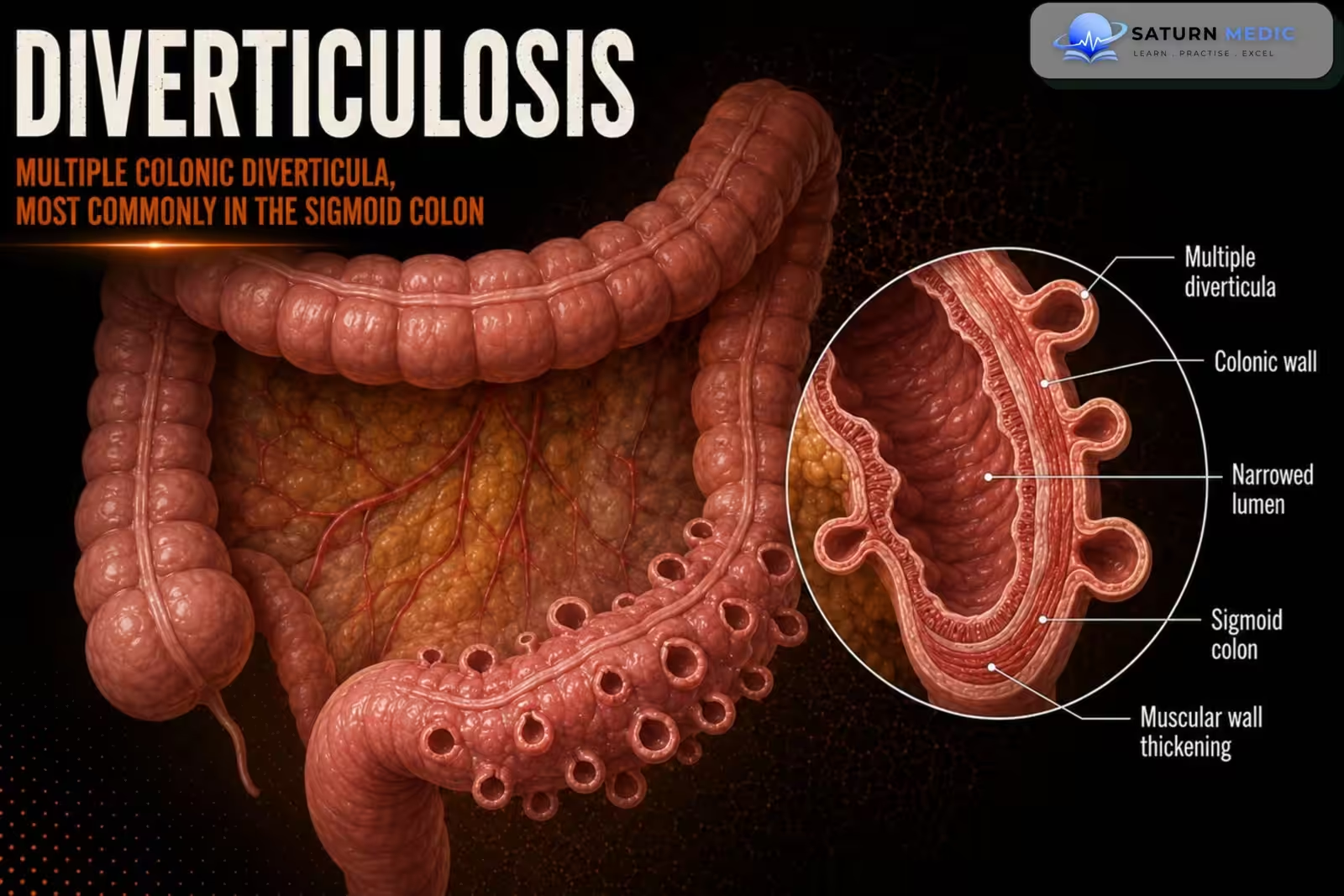
Diverticulosis is the presence of small sac-like pouches called diverticula in the wall of the colon, most commonly in the sigmoid colon. Most patients have no symptoms, and the condition is often discovered incidentally during colonoscopy or abdominal imaging
Also called
ICD-10
Specialty
Onset
Reviewed
-
OverviewOverview
-
Etiology & Risk FactorsEtiology & Risk Factors
-
PathophysiologyPathophysiology
-
Clinical PresentationClinical Presentation
-
History TakingHistory Taking
-
Physical ExaminationPhysical Examination
-
InvestigationsInvestigations
-
DiagnosisDiagnosis
-
ManagementManagement
-
ComplicationsComplications
-
PrognosisPrognosis
-
Key Points / Clinical PearlsKey Points / Clinical Pearls
Overview
Diverticulosis develops when the inner lining of the colon protrudes through weak areas in the muscular bowel wall. It becomes more common with increasing age and usually causes no symptoms. Some patients develop abdominal discomfort, bloating, constipation, diarrhea, or painless lower gastrointestinal bleeding. Diverticulosis may later become complicated by diverticulitis, diverticular bleeding, fistula, obstruction, or perforation.
Etiology & Risk Factors
Aetiology
The exact cause is multifactorial. Diverticula form when increased pressure inside the colon pushes the mucosa and submucosa through weak points in the muscular wall, usually where blood vessels enter the colon.
Risk Factors
Increasing age
Low dietary fiber intake
Chronic constipation
Obesity
Physical inactivity
Smoking
Diet high in red and processed meat
NSAID use
Corticosteroid use
Opioid use
Family history of diverticular disease
Connective tissue disorders
Pathophysiology
Repeated increased intraluminal pressure within the colon causes the mucosa and submucosa to herniate through weak points in the muscular bowel wall. This produces false diverticula, usually along the sigmoid colon. Most remain asymptomatic, but injury to nearby blood vessels may cause bleeding, while obstruction and microperforation of a diverticulum may lead to diverticulitis.
Clinical Presentation
Most Patients
Asymptomatic
Discovered incidentally during colonoscopy or imaging
Possible Symptoms
Intermittent lower abdominal discomfort
Abdominal bloating
Constipation
Diarrhea
Altered bowel habits
Painless rectal bleeding
Diverticular Bleeding
Sudden painless passage of bright-red or maroon blood
May be mild or significant
Usually stops spontaneously but may recur
History Taking
Ask about:
- Abdominal discomfort or bloating
- Constipation or diarrhea
- Changes in bowel habits
- Rectal bleeding
- Stool color and amount of blood
- Previous diverticulitis
- Previous colonoscopy
- Dietary fiber intake
- NSAID or anticoagulant use
- Family history of colorectal disease
Physical Examination
General Examination
Look for:
Pallor
Tachycardia
Hypotension if significant bleeding
Signs of dehydration
Abdominal Examination
Assess for:
Abdominal tenderness
Distension
Palpable masses
Bowel sounds
Guarding or rebound tenderness
Uncomplicated diverticulosis usually produces a normal abdominal examination.
Rectal Examination
Assess for:
Fresh or altered blood
Anorectal causes of bleeding
Rectal mass
Investigations
Asymptomatic Diverticulosis
No specific investigation is required if diverticulosis is found incidentally and the patient has no concerning symptoms.
Laboratory Tests
When symptoms or bleeding are present:
Complete blood count
Iron studies
Renal function and electrolytes
Coagulation profile
C-reactive protein if inflammation is suspected
Blood group and crossmatch for significant bleeding
Colonoscopy
May identify:
Number and location of diverticula
Active or recent bleeding
Polyps or colorectal cancer
Alternative causes of symptoms
Colonoscopy is often how incidental diverticulosis is detected.
CT Abdomen and Pelvis
May be used when:
Diverticulitis is suspected
Abdominal pain is significant
Complications are suspected
Another diagnosis needs to be excluded
Investigation of Active Bleeding
Depending on severity:
Urgent colonoscopy
CT angiography
Catheter angiography
Diagnosis
Diagnosis is usually made by identifying colonic diverticula during:
- Colonoscopy
- CT imaging
- CT colonography
- Contrast imaging performed for another indication
Related Topics
Management
Asymptomatic Diverticulosis
Reassurance
No antibiotics
No surgery
Encourage a balanced, fiber-rich diet
Maintain adequate hydration
Regular physical activity
Maintain a healthy body weight
Avoid smoking
A diet rich in fiber, fruit, and vegetables is generally advised for patients with diverticulosis.
Symptomatic Uncomplicated Diverticular Disease
Management may include:
Gradual increase in dietary fiber
Fiber supplements when dietary intake is insufficient
Adequate fluid intake
Simple analgesia
Management of constipation
Assessment for other causes of chronic symptoms
Diverticular Bleeding
Assess hemodynamic stability
Establish intravenous access
Check hemoglobin and crossmatch blood
Stop or reverse anticoagulation when clinically appropriate
Colonoscopy for diagnosis and endoscopic treatment
CT angiography or angiographic embolization for ongoing major bleeding
Surgery only for uncontrolled or recurrent severe bleeding
Complications
- Acute diverticulitis
- Diverticular bleeding
- Colonic abscess
- Perforation
- Fistula
- Colonic stricture
- Bowel obstruction
- Recurrent diverticular disease
Prognosis
- Most patients with diverticulosis remain asymptomatic and never develop serious complications. Some may experience recurrent abdominal symptoms, diverticulitis, or diverticular bleeding. Prognosis is generally good with appropriate lifestyle measures and timely treatment of complications
Key Points / Clinical Pearls
- Diverticulosis is the presence of diverticula without inflammation.
- It most commonly affects the sigmoid colon.
- Most patients are asymptomatic.
- The condition is often found incidentally during colonoscopy or CT.
- Diverticular bleeding is typically painless.
- Fever and localized tenderness suggest diverticulitis.
- Management mainly involves a healthy, fiber-rich diet and treatment of symptoms.
- Antibiotics are not used for uncomplicated diverticulosis.
- Nuts and seeds do not need to be routinely avoided.
- Persistent bleeding or altered bowel habits should be evaluated for other conditions, including colorectal cancer.
- National Center for Biotechnology Information (NIH). Diverticulosis, StatPearls.
- Böhm SK. Risk Factors for Diverticulosis, Diverticulitis, Diverticular Perforation, and Bleeding: A Plea for More Subtle History Taking. Viszeralmedizin. 2015;31:84-94. PMC4789955.
- Risk Factors for Diverticulosis: A Narrative Review. Acta Biomed. PMC6502189.
- MedlinePlus, National Library of Medicine (NIH). Diverticulosis and Diverticulitis: Health Topic.
- National Center for Biotechnology Information (NIH). Diverticular Bleeding, StatPearls.