

Clinical Subject Page
COVID
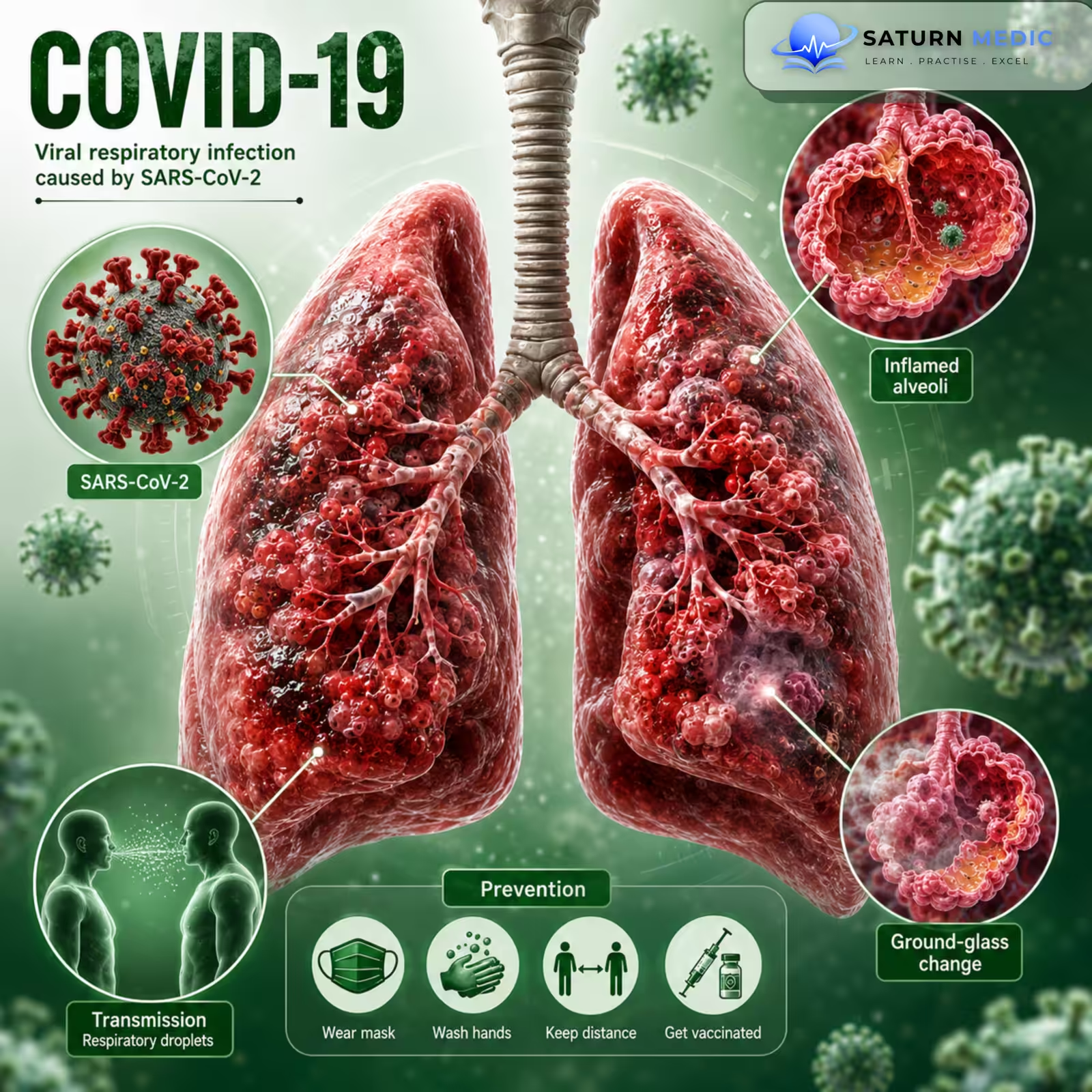
COVID-19 pneumonia is a viral lung infection caused by SARS-CoV-2. It occurs when the virus infects the lungs, causing inflammation that can make it difficult to breathe.
Also called
ICD-10
Specialty
Onset
Reviewed
-
OverviewOverview
-
Etiology & Risk FactorsEtiology & Risk Factors
-
PathophysiologyPathophysiology
-
Clinical PresentationClinical Presentation
-
History TakingHistory Taking
-
Physical ExaminationPhysical Examination
-
InvestigationsInvestigations
-
DiagnosisDiagnosis
-
ManagementManagement
-
ComplicationsComplications
-
PrognosisPrognosis
-
Key Points / Clinical PearlsKey Points / Clinical Pearls
Overview
- Caused by the SARS-CoV-2 virus
- Spread mainly through respiratory fluids
- Disease severity ranges from:
- Mild illness
- Viral pneumonia
- Severe pneumonia with low oxygen levels
- Critical illness with respiratory failure and organ dysfunction
Etiology & Risk Factors
–Cause: Infection with SARS-CoV-2 (COVID-19 virus).
- Transmission: Mainly through exposure to respiratory fluids (droplets and aerosols).
-Risk Factors (for severe Cases)
- Older age (especially ≥ 65 years)
- Chronic lung disease
- Heart disease
- Diabetes mellitus
- Chronic kidney or liver disease
- Obesity (BMI ≥ 30)
- Cancer
- Immunosuppression
- Smoking
- Pregnancy or recent pregnancy
Pathophysiology
SARS-CoV-2 infection → Binds to ACE2 receptors on lung cells → Virus enters cells (TMPRSS2 activation) → Viral replication → Direct damage to alveolar cells → Immune activation and cytokine release → Lung inflammation → Fluid in alveoli and impaired oxygen exchange → Hypoxemia → (Severe cases) Cytokine storm → ARDS, organ failure, and possible death
Clinical Presentation
Presentation
- Fever
- Cough (usually dry)
- Shortness of breath (dyspnea)
- Fatigue
- Sore throat
- Headache
- Muscle aches (myalgia)
- Loss of smell and/or taste
- Runny nose (rhinitis)
- Nausea, vomiting, or diarrhea (may occur)
Severe presentation:
- Marked shortness of breath
- Low oxygen saturation (hypoxemia)
- Respiratory failure (critical cases)
History Taking
- When did your symptoms start?
- Do you have a fever?
- Do you have a cough? Is it dry or productive?
- Are you short of breath?
- Do you have chest pain?
- Have you lost your sense of smell or taste?
- Do you have a sore throat or runny nose?
- Have you had contact with anyone who has COVID-19 or is sick?
- Have you tested positive for COVID-19?
- Do you have any chronic illnesses (e.g., diabetes, heart or lung disease)?
- Have you received a COVID-19 vaccination?
- Do you smoke?
Physical Examination
-General examination
- Fever
- Tachypnea (rapid breathing)
- Low oxygen saturation (SpO₂)
- Respiratory distress (in severe cases)
-Respiratory examination
- Crackles (crepitations) on auscultation
- Decreased breath sounds
- Dullness to percussion (if consolidation)
- Increased tactile fremitus and egophony (with consolidation)
–Severe signs
- Hypoxemia
- Respiratory failure
Assess:
• Respiratory status
• Hemodynamic stability
• Oxygen saturation
• Signs of respiratory distress
Perform an ABCDE assessment in unstable patients
Investigations
- RT-PCR – confirms COVID-19 (gold standard)
- Rapid antigen test – quick screening test
- CBC – assess blood cell count
- CRP ± ESR – assess inflammation
- ABG – if severe disease or low oxygen
- Pulse oximetry (SpO₂) – check oxygen saturation
- Chest X-ray – look for lung infiltrates/opacities
- Chest CT – if chest X-ray is inconclusive or to assess severity
- RT-PCR confirms the diagnosis.
- Chest X-ray/CT assess pneumonia severity but cannot diagnose on their own.
Diagnosis
-Diagnosis is based on:
Clinical features (fever, cough, shortness of breath)
- Positive RT-PCR (gold standard) or rapid antigen test
- Chest X-ray or CT showing pneumonia (lung infiltrates/opacities)
- Diagnosis is confirmed by viral testing; imaging supports the diagnosis and assesses disease severity.
Related Topics
Management of COVID
- Isolation and infection control
- Supportive care: rest, fluids, nutrition
- Antipyretics/analgesics for fever and pain
- Oxygen therapy if hypoxemic
- Remdesivir (selected patients)
- Dexamethasone for patients requiring supplemental oxygen
- Anticoagulation (LMWH) for hospitalized patients unless contraindicated
- Mechanical ventilation if respiratory failure develops
- Treatment depends on disease severity. Mild cases usually need supportive care, while severe cases may require oxygen, medications, and intensive care.
Complications of COVID
- Hypoxemic respiratory failure
- Acute respiratory distress syndrome (ARDS)
- Septic shock
- Thromboembolic events (e.g., pulmonary embolism, ischemic stroke)
- Acute kidney injury (AKI)
- Cardiac complications (heart failure, ischemic heart disease, arrhythmias)
- Long COVID
The most important life-threatening complications are hypoxemic respiratory failure, ARDS, and septic shock.
Prognosis of COVID
- Most patients recover completely, especially with mild disease.
- Prognosis is worse in older adults and those with underlying medical conditions.
- Risk of death increases with age.
- Vaccination and booster doses reduce the risk of severe disease and death.
Key Points / Clinical Pearls of COVID
- It is a viral lung infection caused by SARS-CoV-2.
- It mainly presents with fever, dry cough, and shortness of breath.
- Diagnosis is confirmed by RT-PCR or antigen testing, while chest X-ray or CT helps assess the severity of pneumonia.
- Most mild cases need supportive care
- severe cases may require oxygen, medications, and hospitalization.
- Serious complications include hypoxemic respiratory failure, ARDS, septic shock, and thromboembolism.
- Early diagnosis, prompt treatment, and vaccination improve outcomes.
- Cascella M, Rajnik M, Aleem A, Dulebohn SC, Di Napoli R. National Center for Biotechnology Information (NIH). Features, Evaluation, and Treatment of Coronavirus (COVID-19), StatPearls.
- World Health Organization. Coronavirus Disease (COVID-19): Fact Sheet.
- Chippa V, Aleem A, Anjum F. National Center for Biotechnology Information (NIH). Postacute Coronavirus (COVID-19) Syndrome, StatPearls.
- MedlinePlus, National Library of Medicine (NIH). COVID-19: Health Topic.
- National Center for Biotechnology Information (NIH). COVID (SARS-CoV-2) Vaccine, StatPearls.